
Overview
An orifice flange is designed to hold an orifice plate and provide pressure-differential connections for flow measurement. The flange pair, pressure taps, orifice plate, gaskets, bore, and upstream/downstream orientation must be treated as one measurement assembly.
Why It Matters for Pipe Components
Small dimensional or alignment errors can affect both sealing and measurement reliability. Tap orientation, bore mismatch, plate centering, gasket intrusion, and damaged pressure connections can create a poor installation even when the flange class and material are correct.
ASME B16.36 covers flanges with orifice pressure-differential connections within its stated scope. The flow-measurement design may also refer to separate metering standards and project specifications. The flange standard alone does not define the entire measurement system.
Methods, Parameters, or Process
Use a datasheet that separates flange requirements from metering requirements.
| Parameter | What the buyer should state |
|---|---|
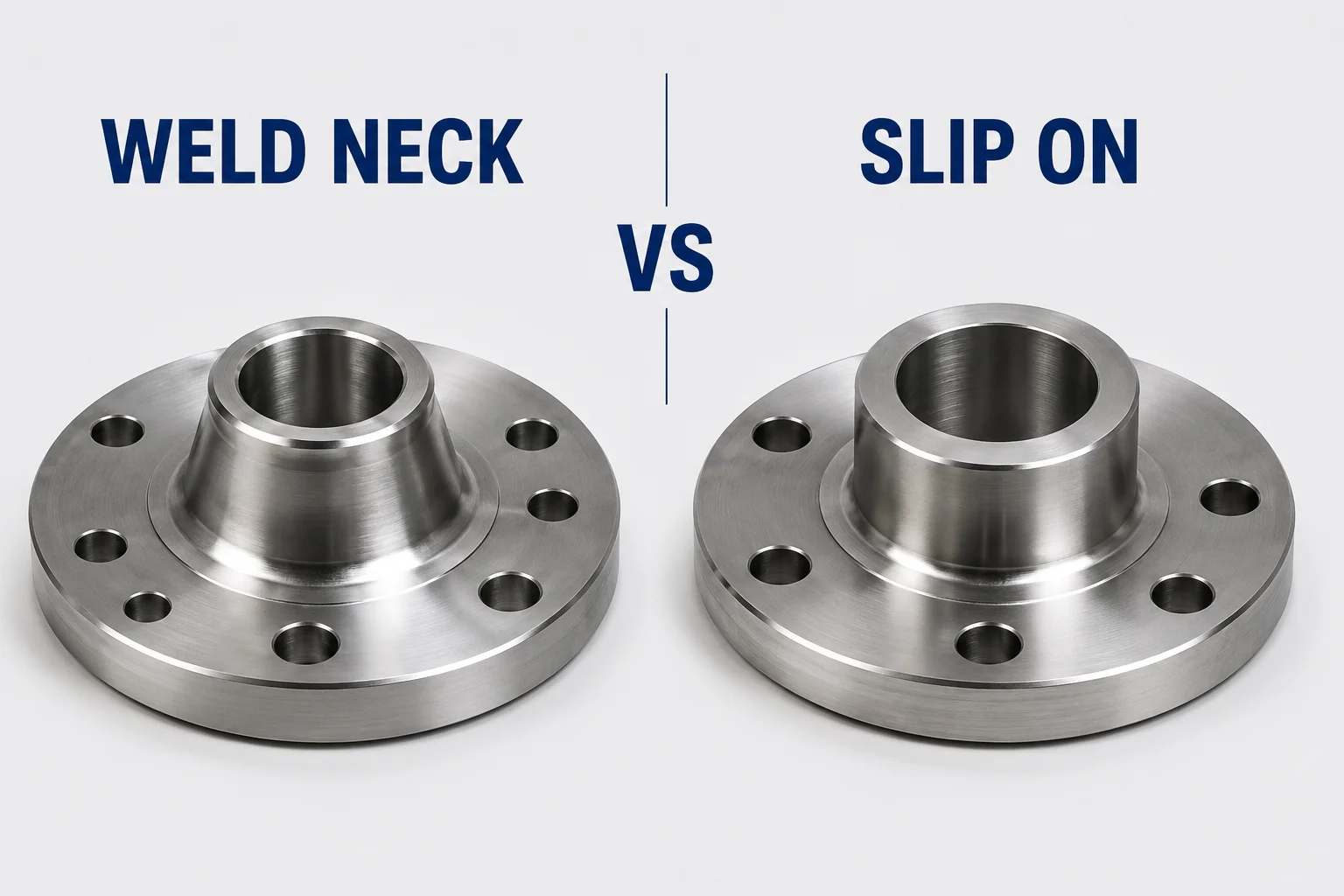
| Flange type | Weld neck, slip-on, or threaded where permitted by the applicable standard |
| Size and class | Complete pressure designation |
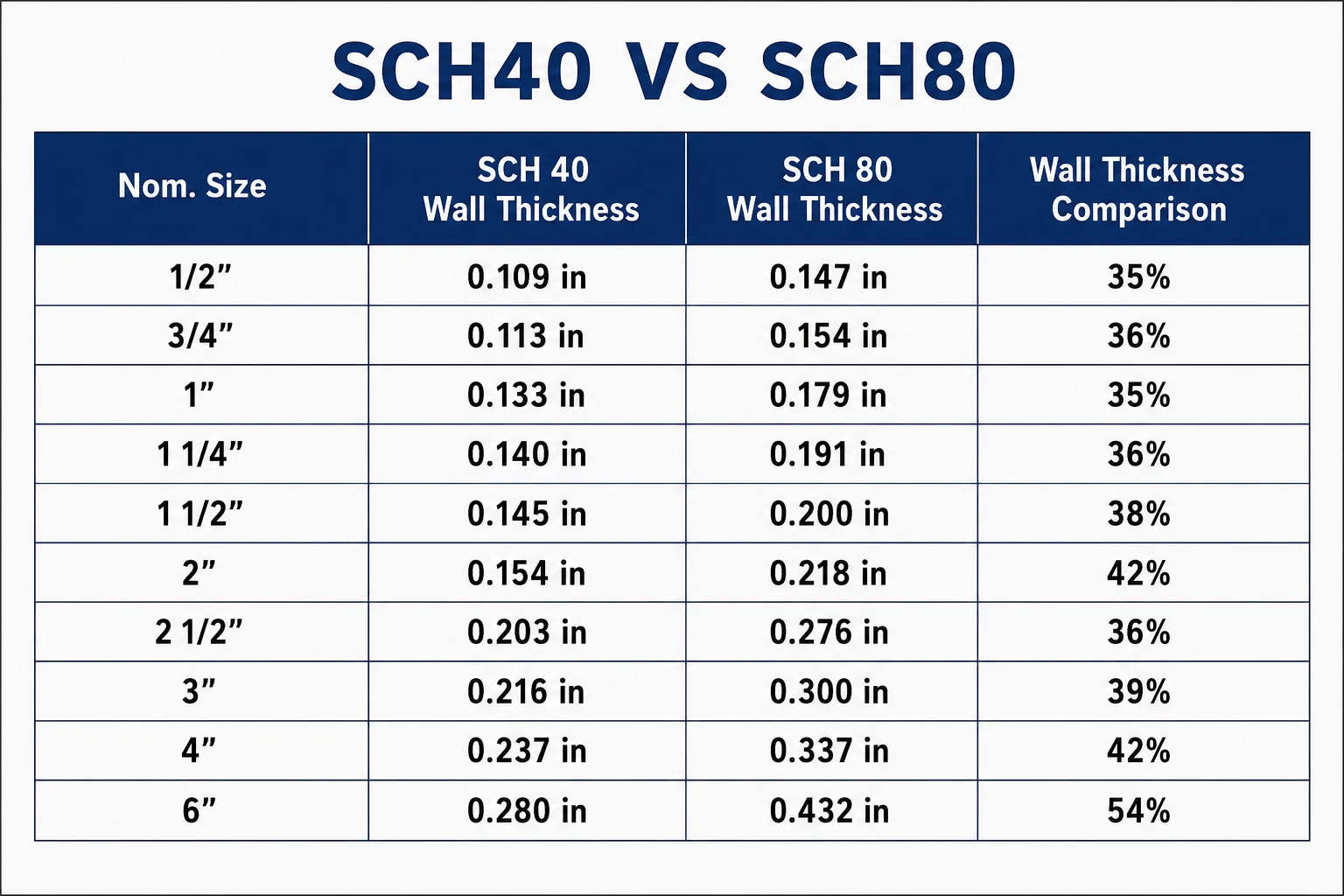
| Bore | Pipe schedule or exact bore |
| Facing | RF, RTJ, or approved project facing |
| Tap arrangement | Quantity, size, thread, orientation, and connection detail |
| Orifice plate | Bore, thickness, material, tag number, and calculation source |
| Jack screws | Required arrangement, material, and thread |
| Gaskets | Type and thickness compatible with the plate and facing |
| Flow direction | Clearly marked on drawing and tags |
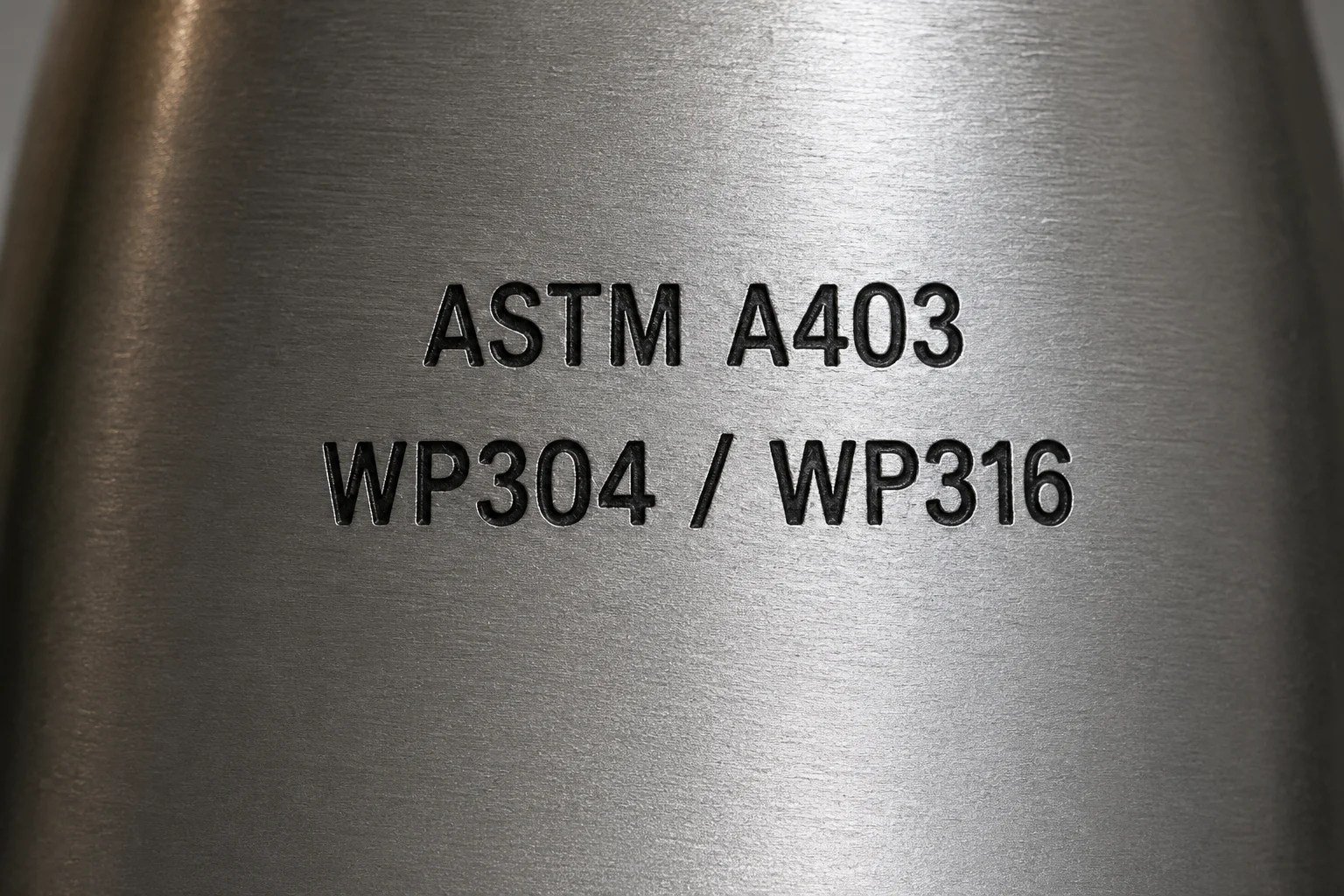
| Documentation | Material records, dimensions, tap inspection, and plate data |
Inspect tap passages for blockage, burrs, and damage. Confirm that the pressure connections are correctly oriented relative to the piping layout and accessible for impulse tubing.
Verification note: confirm all detailed dimensions, classes, and permitted flange types against the current contract edition of ASME B16.36 and the project metering specification.
Supplier and Inspection Checklist
- Match both flanges as a controlled pair.
- Confirm the bore and internal transition.
- Check tap size, thread form, depth, orientation, and cleanliness.
- Verify the orifice plate tag, material, bore direction, and edge condition.
- Confirm gaskets do not intrude into the bore.
- Inspect facing surfaces and jack-screw details.
- Verify flow-direction marking and instrument connection orientation.
- Review calibration or calculation records when included in the supply scope.
- Protect pressure taps with clean plugs during shipment.
Application to Pipe Fittings, Valves, and Flanges
Orifice flange assemblies are used in process plants, refineries, gas systems, power facilities, and utility measurement stations. They connect the mechanical piping joint to the instrument impulse lines.
The piping team, instrumentation team, and supplier should agree on responsibility for the plate calculation, flange pair, taps, gaskets, jack screws, root valves, and documentation. Missing scope boundaries are a common source of delays.
FAQ
Is an orifice flange only a standard flange with drilled holes?
No. It is a controlled flange arrangement with pressure connections and other dimensional requirements. Unapproved field drilling can damage the component and invalidate the intended design.
Must the pair be supplied together?
Supplying and inspecting the pair together reduces mismatch risk. The purchase specification should state whether pairing and match-marking are required.
Does ASME B16.36 define the orifice calculation?
It addresses orifice flanges. The complete flow calculation and installation requirements may come from other metering standards and project documents.
What should be protected during shipping?
The gasket faces, pressure taps, threads, bore, plate edge, and identifying marks should be protected from damage and contamination.
Next Steps
Issue a combined mechanical and instrumentation datasheet. Include the flange standard, type, size, class, material, facing, bore, tap details, plate data, flow direction, jack screws, gaskets, and document requirements.
Request a Quote