Industry trends and buying guides for pipe fittings, valves, and flanges for B2B buyers.
A plate flange is manufactured from plate rather than produced as a conventional forging. Plate flanges can be valid products when the governing standard or approved design permits that product form. They should not be treated as automatic substitutes for...
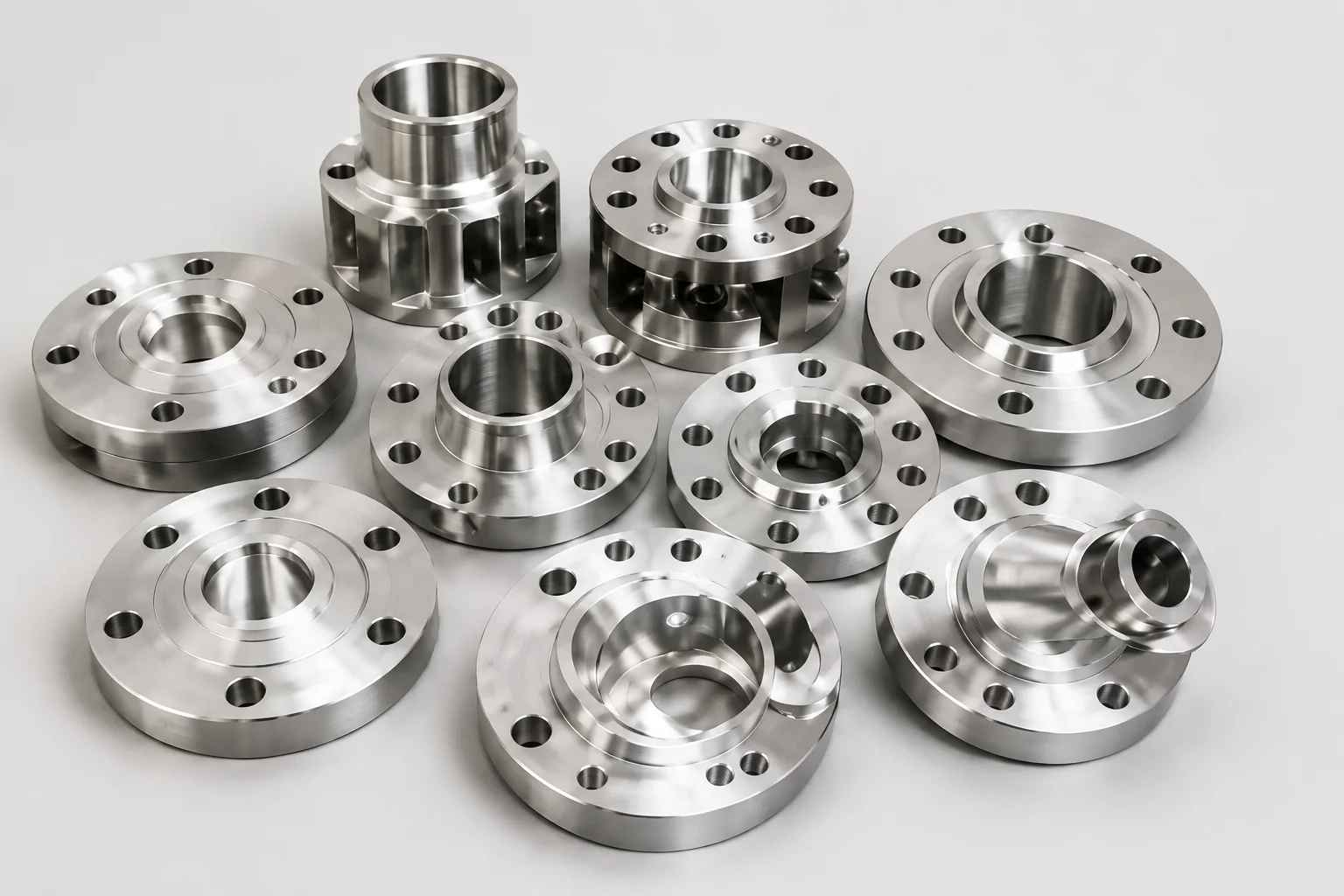
The main types of flanges differ by how they connect to pipe, how they seal, and what function they perform. Common examples include weld neck, slip-on, blind, socket weld, threaded, lap joint, orifice, long weld neck, plate, and line-blank arrangements....
A flange is a rimmed or disc-shaped component used to make a bolted connection, close an opening, or connect pipe to valves, equipment, and fittings. A complete flanged joint normally includes two mating faces or a flange and closure, a gasket where...
In blind flange vs spectacle blind selection, the key difference is location and operating function. A blind flange closes the end of a flanged opening. A spectacle blind sits between two flanges and can be rotated between a solid blank and an open spacer...
The difference in raised face vs flat face flange joints is the gasket seating geometry. A raised face has a defined raised contact area. A flat face is substantially flat across the flange face. The correct choice depends on the flange standard, equipment...
Correct socket weld flange welding starts with a clean, dimensionally compatible socket and pipe. The pipe is positioned according to the approved fit-up detail, the flange is aligned, and the fillet weld is deposited under a qualified welding procedure....
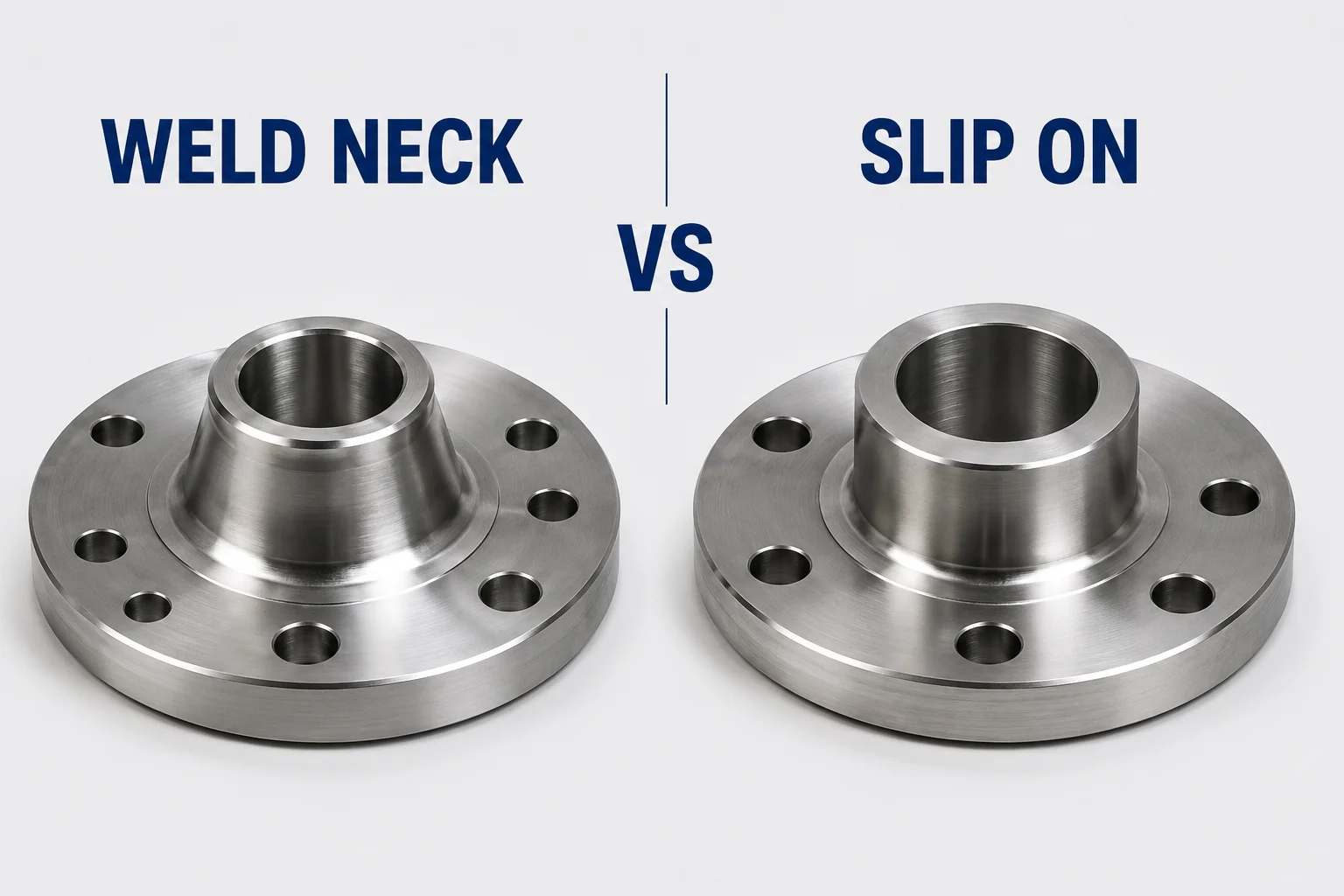
The choice in weld neck flange vs slip-on flange selection is mainly a choice between a butt-welded tapered hub and a flange that slides over the pipe and is fillet welded. Neither type is universally correct. The approved piping class, service, loads,...
Successful weld neck flange welding depends on a matched flange bore, correct bevel preparation, controlled root alignment, a qualified WPS, and inspection suited to the service. The flange hub and pipe end form a butt-welded transition, so mismatch should...
A practical explanation of ASTM A105 material combined with ASME Class 150 dimensions and ratings, including flange type, facing, temperature, inspection, and ordering details.
Ask us anything—we'll reply as soon as we can.