Overview
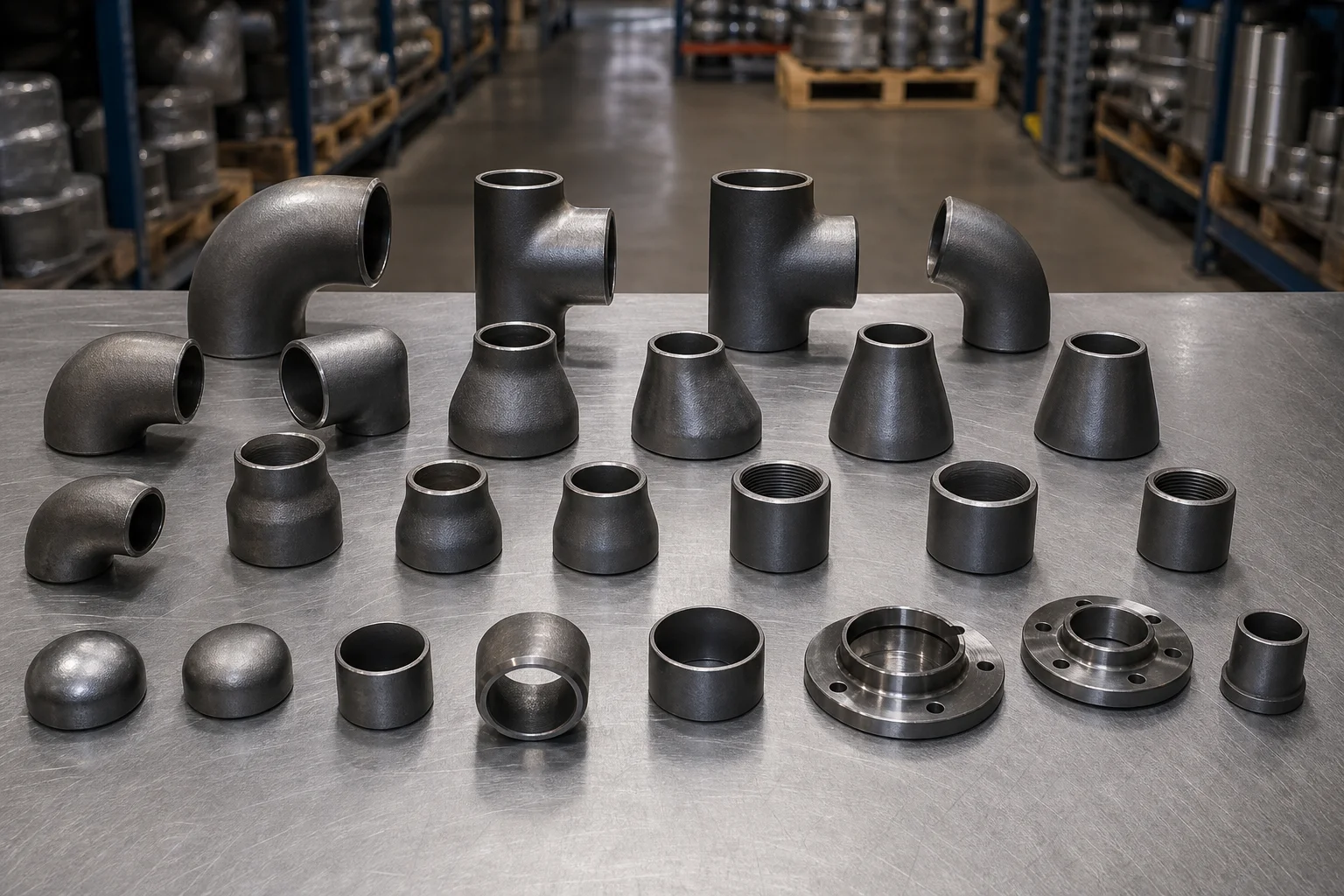
A 45-degree pipe fitting changes flow direction or creates an angled branch. The phrase can describe a 45-degree elbow, a fabricated bend, a lateral tee, a Y fitting, or a branch outlet arrangement. These components are not interchangeable even when the nominal angle is the same.
A complete request should identify the number of openings, fitting type, angle, radius, all end sizes, wall thickness or class, material, connection method, dimensional standard, and service. A photo alone may not show whether the part is an elbow or a branch fitting.
Why It Matters for Pipe Components
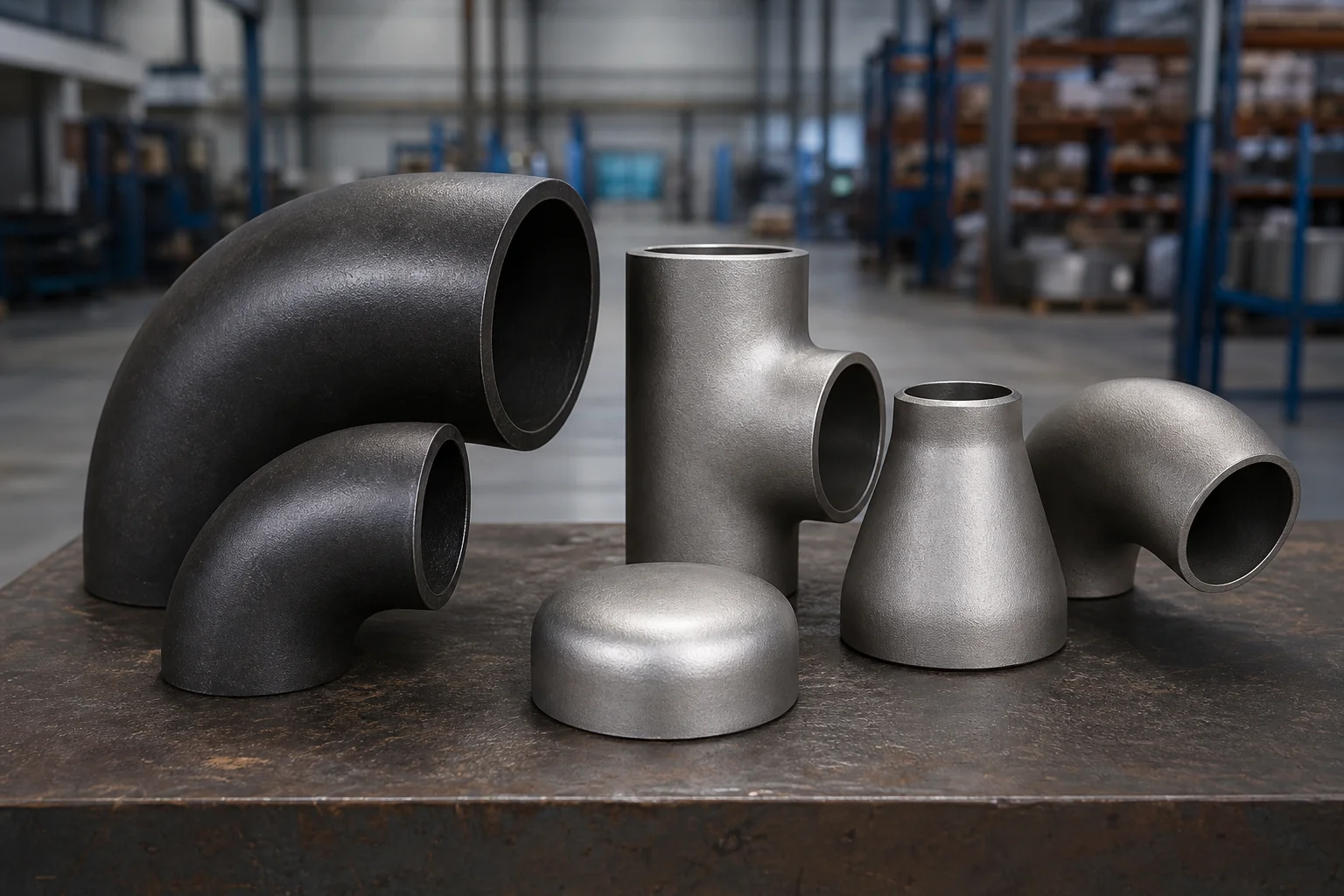
A 45-degree elbow creates a gentler direction change than a 90-degree elbow and can reduce layout resistance, but two elbows may be needed where one 90-degree elbow would fit. A 45-degree lateral divides or combines flow and introduces branch reinforcement and crotch-thickness requirements that an elbow does not have.
Radius, center-to-end dimensions, and end preparation control spool geometry. A fitting with the right angle but the wrong radius or dimensions can shift the entire pipe run. In erosive or two-phase service, the orientation and flow path also affect wear and liquid accumulation.
The product standard, manufacturing route, and inspection differ among wrought butt-weld fittings, forged socket or threaded fittings, cast fittings, and fabricated bends.
Methods, Parameters, or Process
Identify the component function before selecting the fitting standard and dimensions.
| Component | Function | Key ordering data |
|---|---|---|
| 45-degree elbow | Changes direction with two openings | NPS/DN, radius, wall, material, ends, center-to-end |
| 45-degree bend | Changes direction with project-defined radius | OD, wall, bend radius, tangent length, ovality limits |
| 45-degree lateral tee | Creates an angled branch | Run and branch sizes, angle, wall, reinforcement, orientation |
| Y fitting or wye | Combines or divides flow through angled legs | All end sizes, included angle, drawing, centerlines |
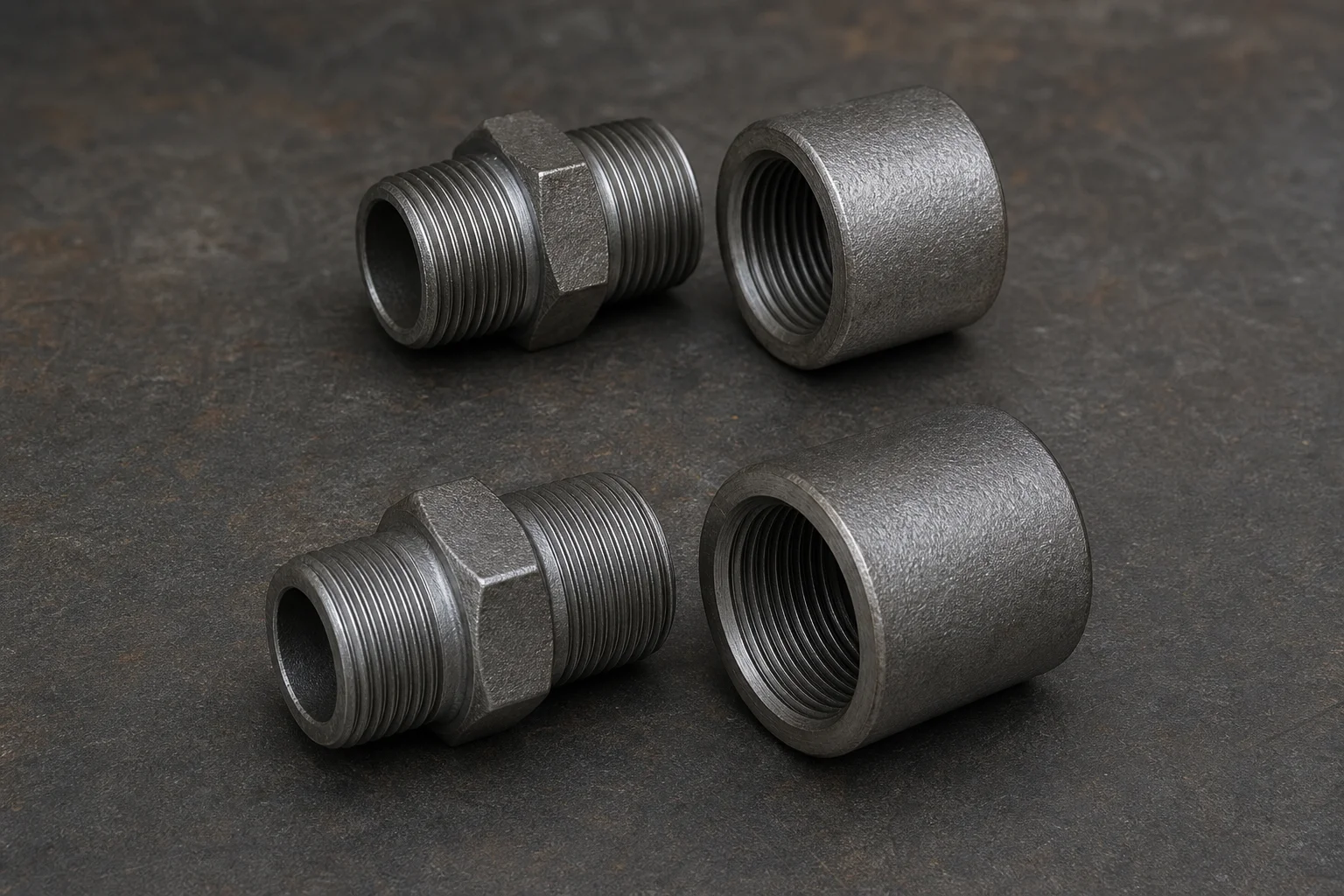
| Forged 45-degree elbow | Small-bore threaded or socket-weld direction change | Class, thread/socket standard, material |
| Fabricated fitting | Custom geometry made from pipe or plate | Design calculation, welds, NDE, heat treatment |
Supplier and Inspection Checklist
- Confirm whether the part has two openings or a branch.
- State the exact angle and permitted angular tolerance.
- Provide every nominal size, OD, and wall thickness required.
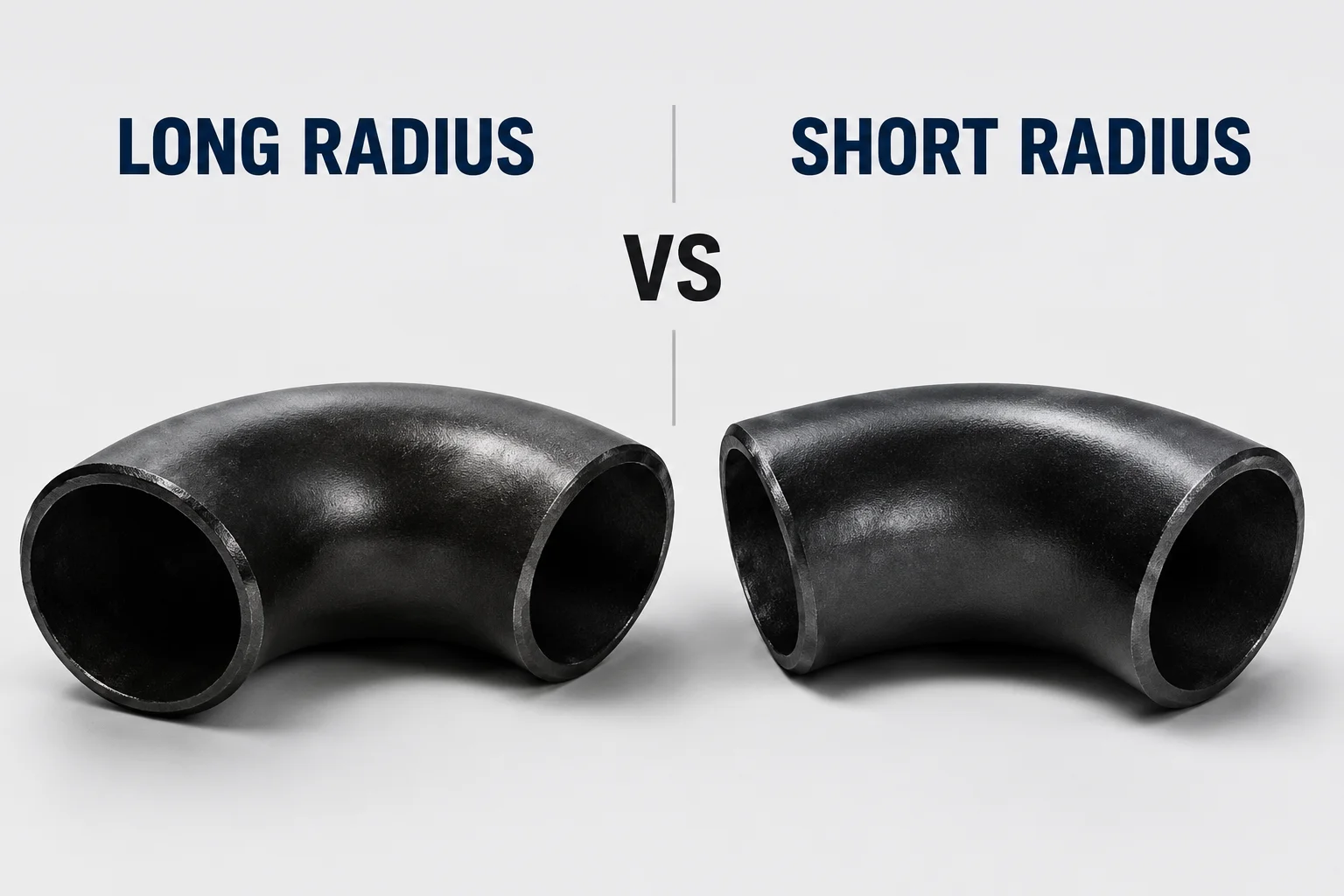
- Define long radius, short radius, bend radius, or project drawing.
- Specify butt-weld, threaded, socket-weld, grooved, or flanged ends.
- Check center-to-end, tangent, and branch-orientation dimensions.
- Verify material, heat treatment, and traceability.
- Inspect ovality, wall thinning, wrinkles, crotch area, and weld repairs as applicable.
- Define NDE, hardness, impact, and pressure tests where required.
- Use an approved drawing for fabricated or nonstandard fittings.
Application to Pipe Fittings, Valves, and Flanges
Butt-weld 45-degree elbows are common in process, power, and pipeline spools. Forged 45-degree elbows serve small-bore threaded and socket-weld systems. Laterals and wyes are used where a branch should enter at an angle rather than perpendicular to the run.
Valves near a 45-degree fitting need adequate straight length, support, and access. Flanged 45-degree elbows can simplify installation but require compatible facing, drilling, gasket, and bolting.
FAQ
Is a 45-degree fitting always an elbow?
No. It can also describe a lateral tee, wye, branch fitting, or fabricated bend. Clarify the number of openings.
What is the difference between a 45-degree elbow and bend?
An elbow usually follows a product standard and standard center-to-end dimensions. A bend is often defined by OD, wall, radius, angle, and tangent lengths.
Can two 45-degree elbows replace one 90-degree elbow?
Sometimes, but the resulting offset, length, pressure loss, support, and stress behavior must be checked.
Does the pipe schedule determine fitting wall?
It is a common ordering basis, but the applicable fitting standard, tolerances, and project minimum-wall rules must be reviewed.
When is a drawing required?
For laterals, wyes, fabricated fittings, unusual radii, reducing ends, or project-specific centerline dimensions.
Next Steps
State whether the enquiry is an elbow, bend, lateral, or wye. Send the complete size, wall, radius, angle, dimensions, ends, material, and inspection requirements.
Request a Quote