
Overview
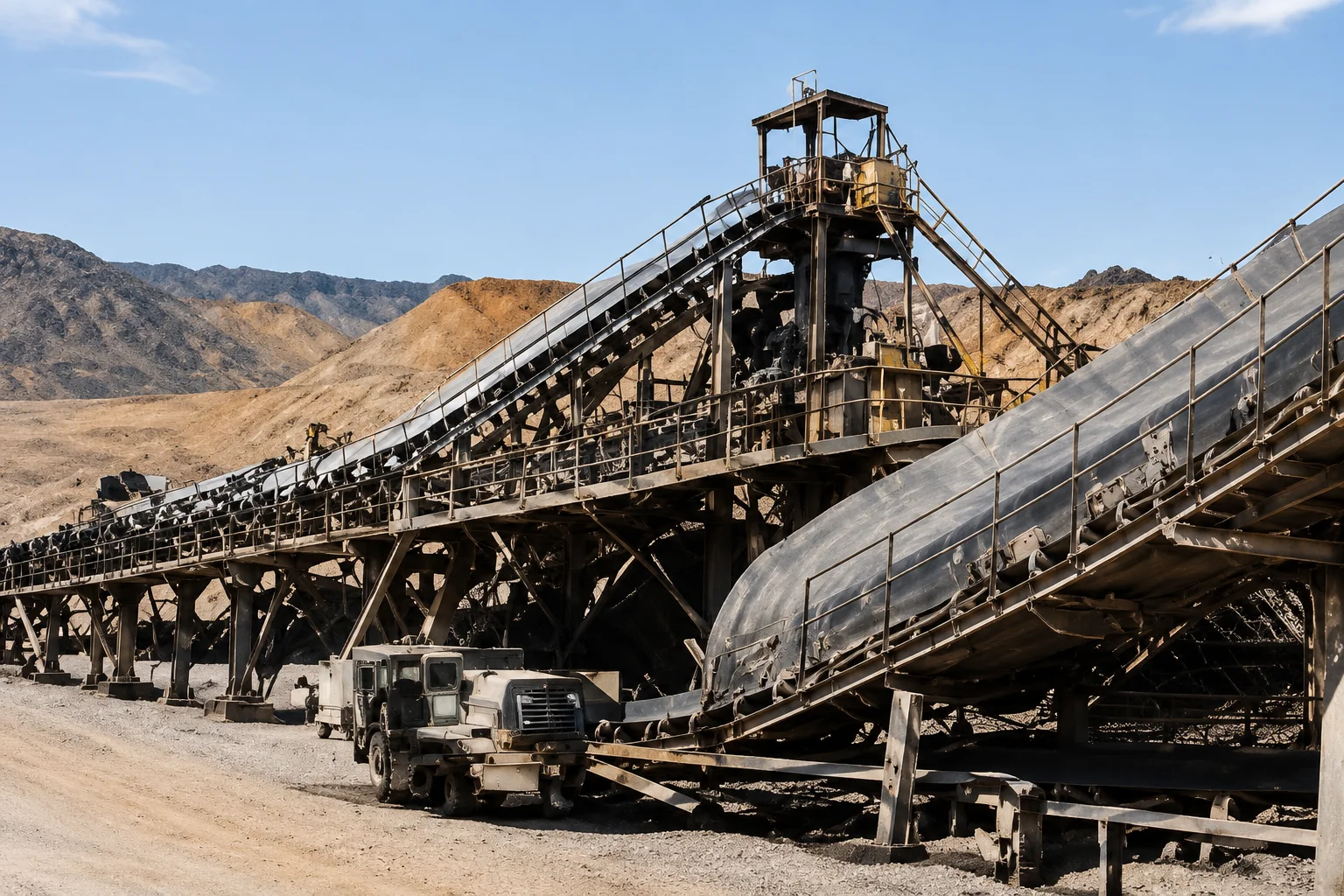
Abrasion-resistant carbon steel pipe is a broad description for pipe systems designed to withstand solids, slurry, particles, or erosive flow better than ordinary piping. The solution may use harder base steel, increased wall, replaceable spool pieces, internal hardfacing, ceramic or polymer lining, clad construction, or controlled flow geometry.
“Carbon steel” and “abrasion resistant” are not enough to define a purchasable grade. The RFQ should identify wear mechanism, solids, particle size, concentration, velocity, temperature, pressure, corrosion, impact, and required joining method.
Why It Matters for Pipe Components
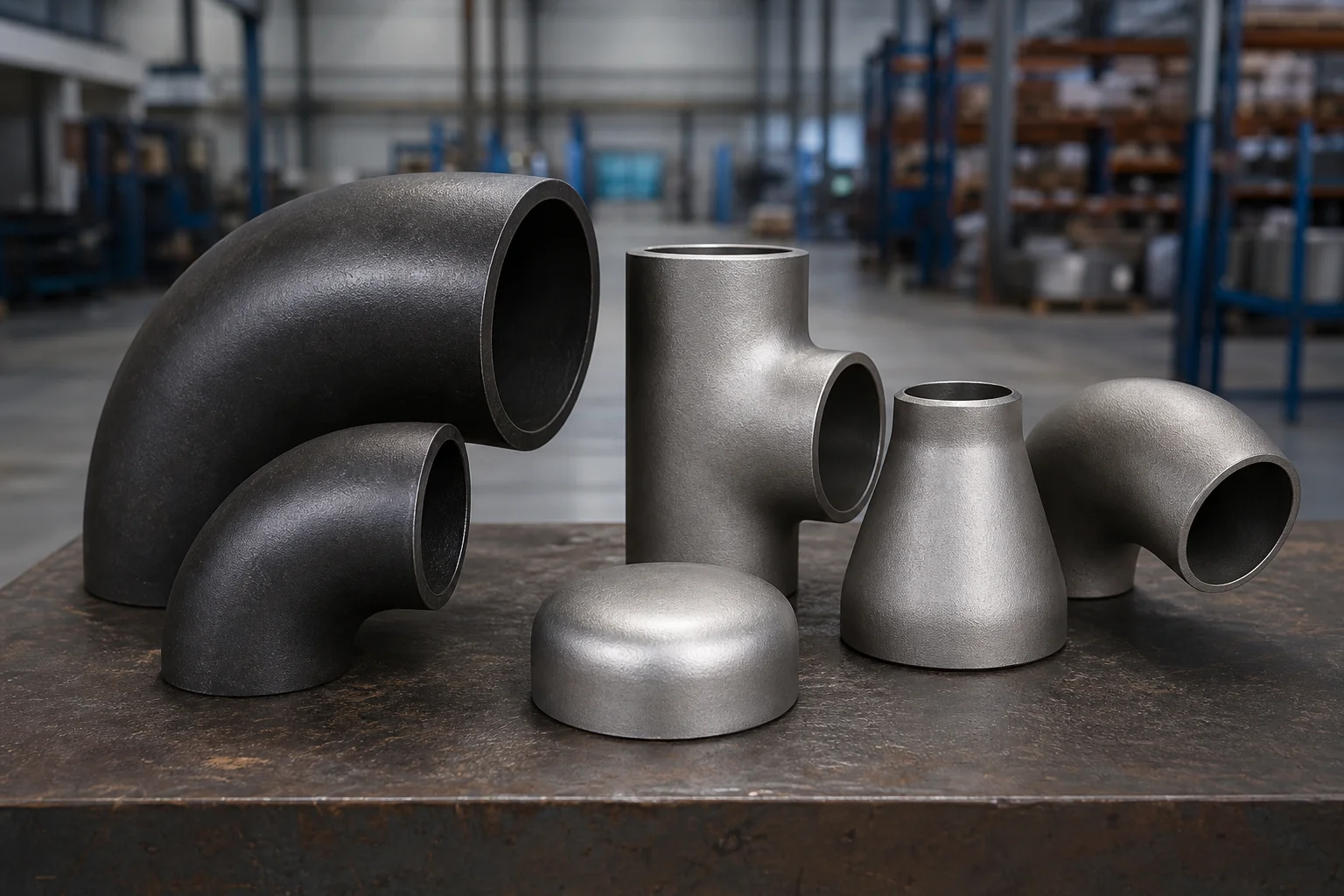
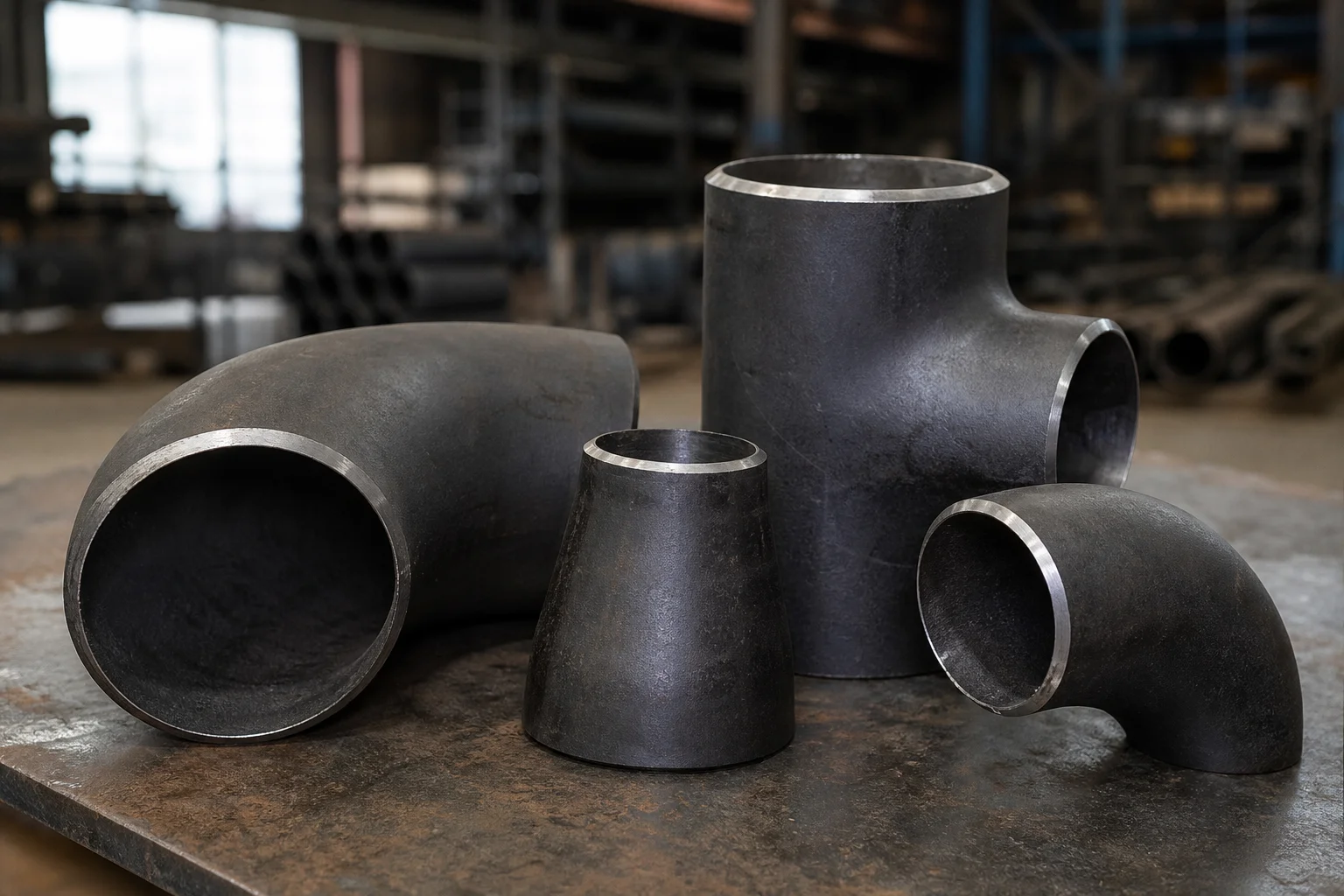
Wear rate depends on more than hardness. Particle shape, impact angle, turbulence, velocity, corrosion, cavitation, and local geometry can dominate performance. Elbows, reducers, tees, valve seats, and branch connections often wear faster than straight pipe.
Very hard materials can be difficult to form and weld and may have lower toughness. A wear solution must still satisfy pressure design, fracture resistance, fabrication, and inspection.
Lifecycle cost should include replacement time, shutdown, spare spools, field repair, and inspection access, not only purchase price.
Methods, Parameters, or Process
Define the wear environment before selecting a material or lining.
| Option | Potential benefit | Key verification |
|---|---|---|
| Increased carbon-steel wall | Simple and weldable | Predictable wear and acceptable weight |
| Harder steel grade | Improved sliding-abrasion resistance | Weldability, toughness, forming, exact grade |
| Hardfacing/overlay | Local protection at wear zones | Procedure, cracking, dilution, coverage |
| Ceramic lining | High hardness and wear resistance | Impact, attachment, thermal shock, field joints |
| Polymer/rubber lining | Energy absorption and corrosion barrier | Temperature, permeation, vacuum, bonding |
| Geometry change | Reduces velocity or impingement | Hydraulics, layout, blockage, cleanability |
Supplier and Inspection Checklist
- Characterise solids, particle size, concentration, and velocity.
- Separate abrasion, erosion, corrosion, and impact mechanisms.
- Identify high-wear fittings and orientation.
- Specify exact base material and pressure design basis.
- Review welding, preheat, heat treatment, and hardness limits.
- Define lining or overlay thickness and attachment.
- Inspect continuity, thickness, dimensions, and repaired areas.
- Plan wear monitoring and replacement criteria.
- Protect internal linings during handling and installation.
Application to Pipe Fittings, Valves, and Flanges
Elbows and tees often need more wear protection than straight pipe because the flow changes direction. Short-radius elbows can increase local impingement. Valves may require specialised trims, sleeves, or replaceable seats.
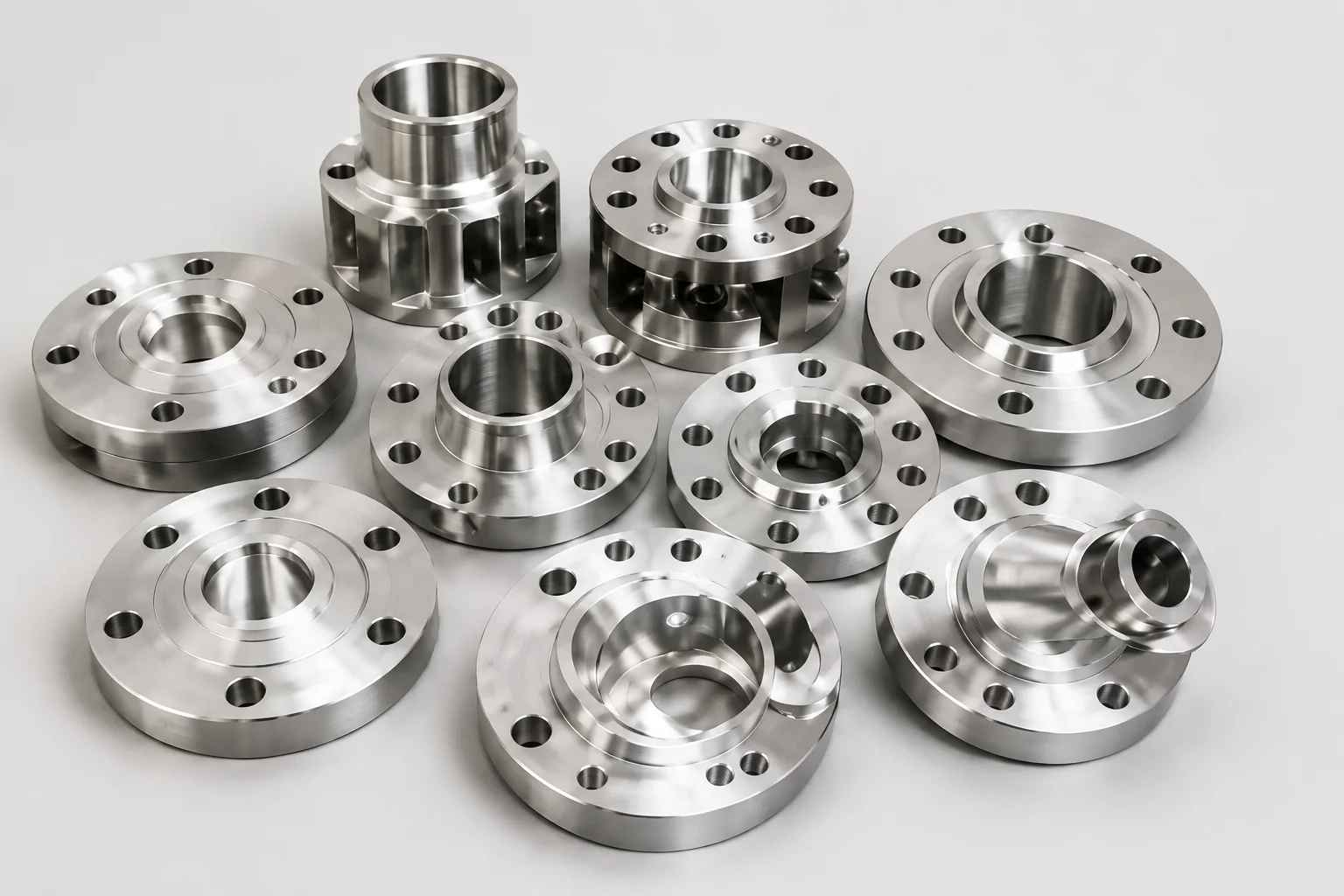
Flanges and gasket faces should remain dimensionally compatible after internal lining or overlay. The lining termination near the flange requires a detailed drawing.
FAQ
Is harder steel always more abrasion resistant?
Not in every wear mechanism. Hardness, toughness, impact angle, corrosion, and particle behaviour all matter.
Can ordinary carbon steel be used with extra wall?
Sometimes, when wear is predictable and replacement strategy is acceptable.
Which fitting wears fastest?
Often elbows, tees, reducers, and valve areas, but the actual pattern depends on flow and solids.
Can wear-resistant pipe be field welded?
Only with a procedure suited to the exact base material, lining, overlay, and service.
How is remaining life measured?
Common methods include thickness surveys, wear coupons, inspection ports, online monitoring, and planned spool replacement.
Next Steps
Provide wear-service data, pipe size, wall, pressure, temperature, corrosion conditions, preferred joining, inspection, and expected life. Ask suppliers to state the exact wear-control mechanism.
Request a Quote