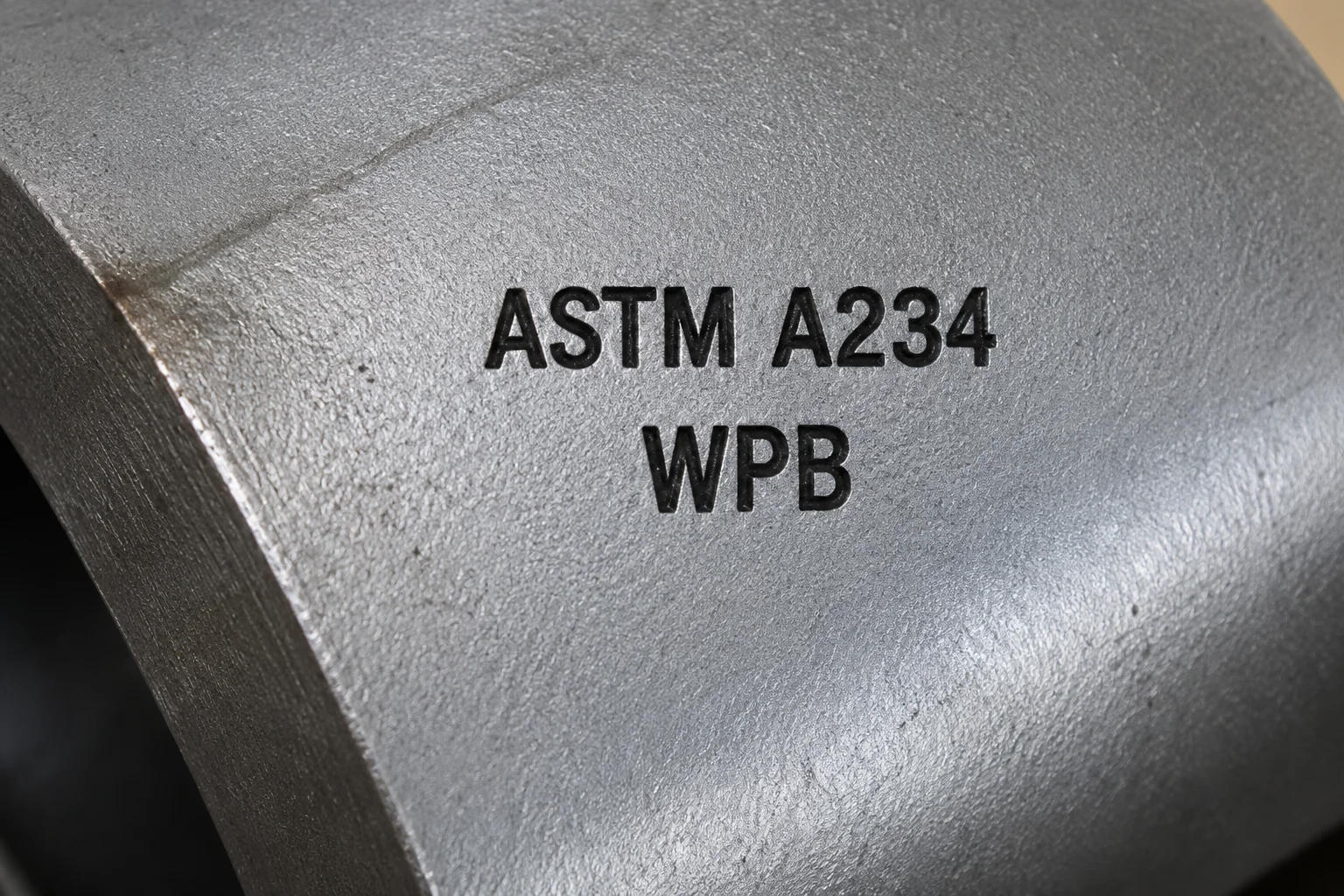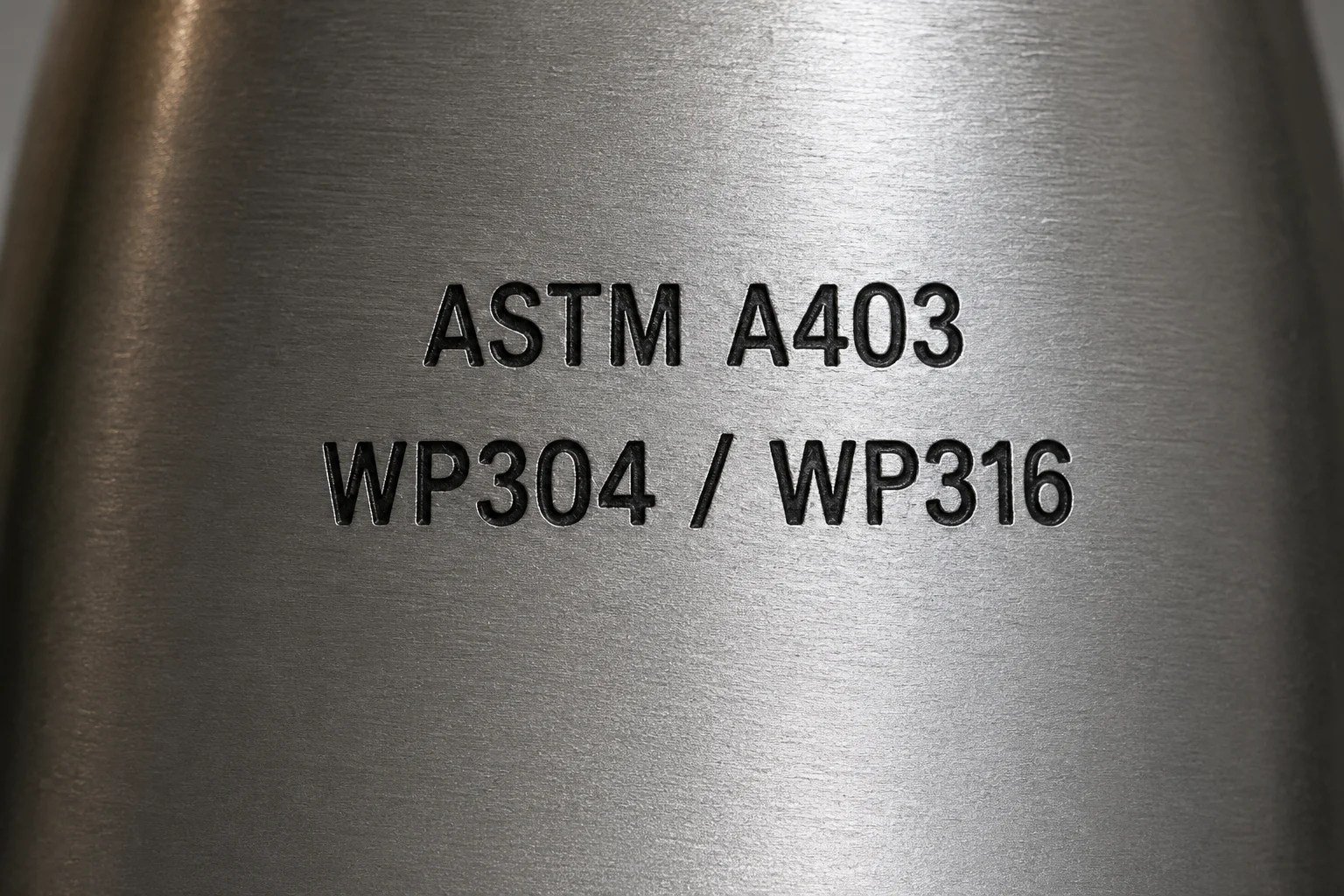
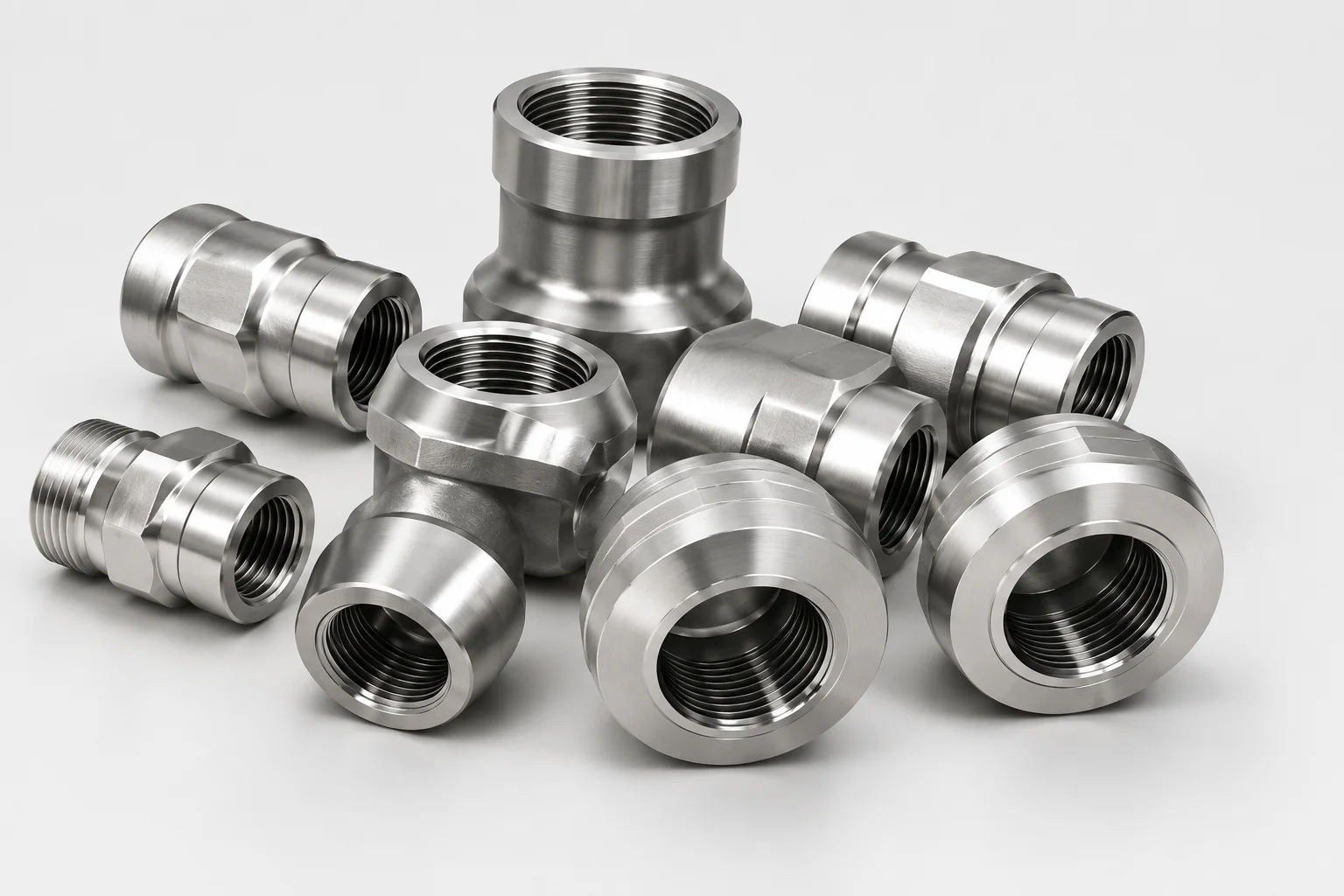

Overview
**ASME B16.9 Pipe Fittings Guide for Butt-Weld Projects** is best managed as a documented sequence of technical decisions rather than a final visual check. For industrial buyers, the practical objective is the role of ASME B16.9 in factory-made wrought butt-welding fittings, plus buyer checks for dimensions, tolerances, marking, and complementary material requirements. A capable supplier should be able to explain the route, identify the records produced at each stage, and connect those records to the delivered items.
This guide gives an answer-first framework for reviewing ASME B16.9 pipe fittings guide. It is written for engineering contractors, distributors, project buyers, inspectors, and maintenance teams sourcing pressure-containing products. The article is a procurement aid, not a substitute for the governing code, product standard, approved drawing, purchase specification, or qualified engineering judgment. Always verify the edition named in the contract before issuing an order or accepting material.
Why It Matters for Pipe Components
Pipe components must fit together, contain pressure, resist the service environment, and remain traceable throughout fabrication and operation. A small mismatch in material, wall thickness, facing, end preparation, heat treatment, or test acceptance can create delays at the fabrication shop, expensive field rework, or an avoidable integrity risk.
The same topic also affects commercial performance. Clear requirements reduce quotation ambiguity, prevent suppliers from pricing different scopes, and make inspection more efficient. When the purchase order names the applicable standard, grade, dimensions, tests, documents, marking, preservation, and acceptance criteria, the supplier can plan production and the buyer can compare offers on a like-for-like basis.
The controls discussed here apply directly to elbows and returns, tees and reducers, caps and other factory-made butt-weld fittings. Their relative importance changes with pressure, temperature, corrosion, cyclic duty, size, manufacturing route, and project criticality. A routine utility order may need a standard certificate and dimensional report, while a critical oil, gas, chemical, or power project may require approved procedures, witnessed testing, additional NDT, and a complete manufacturing record book.
Methods, Parameters, or Process
| Stage | Practical control | Typical evidence | Risk if omitted |
|---|---|---|---|
| 1 | Confirm that the intended fitting type and size fall within the standard and project scope | Approved specification, drawing, data sheet, or route card | Different parties work to different technical assumptions |
| 2 | Specify fitting designation, size, wall or matching pipe schedule, end preparation, and dimensional needs | Heat-number register, certificate, and receiving inspection record | Material mix-up or broken traceability |
| 3 | Pair the dimensional standard with the correct material specification and grade | In-process report, calibrated measurement record, or parameter log | Hidden dimensional or process variation reaches final inspection |
| 4 | Define supplementary inspection, NDT, coating, documentation, and packaging requirements | Inspection, NDT, pressure-test, or functional-test report | Acceptance is claimed without objective test evidence |
| 5 | Verify the current contractual edition and review supplier drawings or data sheets before production | Final release note, packing list, marking record, and dossier index | Delivered items cannot be reconciled with project records |
**Step 1: Confirm that the intended fitting type and size fall within the standard and project scope.** Define who performs the activity, which procedure or drawing controls it, what instrument or equipment is used, what constitutes acceptance, and how the result is recorded. Where a deviation occurs, identify the affected heat, item, or lot; stop uncontrolled release; document the disposition; and repeat the relevant inspection after approved correction.
**Step 2: Specify fitting designation, size, wall or matching pipe schedule, end preparation, and dimensional needs.** Define who performs the activity, which procedure or drawing controls it, what instrument or equipment is used, what constitutes acceptance, and how the result is recorded. Where a deviation occurs, identify the affected heat, item, or lot; stop uncontrolled release; document the disposition; and repeat the relevant inspection after approved correction.
**Step 3: Pair the dimensional standard with the correct material specification and grade.** Define who performs the activity, which procedure or drawing controls it, what instrument or equipment is used, what constitutes acceptance, and how the result is recorded. Where a deviation occurs, identify the affected heat, item, or lot; stop uncontrolled release; document the disposition; and repeat the relevant inspection after approved correction.
**Step 4: Define supplementary inspection, NDT, coating, documentation, and packaging requirements.** Define who performs the activity, which procedure or drawing controls it, what instrument or equipment is used, what constitutes acceptance, and how the result is recorded. Where a deviation occurs, identify the affected heat, item, or lot; stop uncontrolled release; document the disposition; and repeat the relevant inspection after approved correction.
**Step 5: Verify the current contractual edition and review supplier drawings or data sheets before production.** Define who performs the activity, which procedure or drawing controls it, what instrument or equipment is used, what constitutes acceptance, and how the result is recorded. Where a deviation occurs, identify the affected heat, item, or lot; stop uncontrolled release; document the disposition; and repeat the relevant inspection after approved correction.
Supplier and Inspection Checklist
Use the following checklist when qualifying a supplier or reviewing an order related to ASME B16.9 pipe fittings guide:
- Confirm the exact product scope, material grade, size range, pressure class or wall, facing or end connection, quantity, and delivery condition.
- List every governing standard and its contractual edition. Resolve conflicts between the purchase order, data sheet, drawing, and referenced standard before production.
- Ask for the proposed manufacturing route, key equipment, process controls, subcontracted activities, and inspection-and-test plan.
- Verify heat-level material traceability from incoming stock through cutting, forming, forging, heat treatment, machining, assembly, marking, and packing.
- Review personnel qualifications and procedure approvals for welding, NDT, heat treatment, coating, pressure testing, and special processes when applicable.
- Confirm calibration status and suitable range for dimensional instruments, test gauges, temperature recorders, PMI analyzers, and NDT equipment.
- Define witness and hold points, notification periods, sampling plans, acceptance criteria, and the authority that can approve deviations.
- Require actual records for critical characteristics; do not rely only on an unsigned generic checklist or a final certificate of conformity.
- Confirm marking content, tag or stencil durability, flange-face and bevel protection, rust prevention, packing method, and document identification.
- Before shipment, reconcile quantities, heat numbers, item markings, certificates, inspection reports, nonconformance closures, and packing lists.
A credible supplier should answer these points with controlled documents and production evidence. Marketing claims, photographs of unrelated equipment, or certificates that cannot be connected to the supplied heat and item are not equivalent to traceable quality assurance.
Application to Pipe Fittings, Valves, and Flanges
The principles in this guide should be translated into product-specific controls rather than copied unchanged across every order. The closest commercial pages for this topic are [Butt Weld Elbows](/products/butt-weld-elbows/), [Butt Weld Tees](/products/butt-weld-tees/), [Pipe Reducers](/products/pipe-reducers/).
### Pipe Fittings
For pipe fittings, interpret ASME B16.9 pipe fittings guide through material identity, forming or forging route, wall-thickness distribution, geometry, weld-end or socket/thread preparation, heat treatment, surface condition, marking, and packing. Elbows, tees, reducers, caps, and forged fittings do not share identical inspection points, so the purchase specification should name the fitting type and its governing product requirements.
### Valves
For valves, apply the same core principle to pressure-containing body and bonnet parts, trim and sealing materials, bolting, assembly cleanliness, operating travel or torque, pressure tests, functional checks, preservation, and documentation. The valve data sheet should identify the design and test requirements rather than relying on a broad description such as “industrial valve.”
### Flanges
For flanges, connect the topic to starting material, forging or plate route, heat treatment, bore and hub geometry, thickness, bolt pattern, facing type and finish, runout, marking, and protection of sealing surfaces. Size, class, flange type, material, facing, bore, and matching pipe wall should be stated together.
Across all three product families, the purchase specification should identify which results must appear in the final dossier. This creates a practical bridge between technical content and procurement: the buyer can send size, material, standard and edition, class or wall, quantity, service condition, inspection level, documentation list, coating, packing, and drawings instead of requesting an undefined “best quality” product.
FAQ
What should a buyer specify first for ASME B16.9 pipe fittings guide?
Start with the product, material grade, dimensional or design standard, size, class or wall, end connection or facing, quantity, service conditions, contractual edition, and required inspection documents. Add project-specific tests only after confirming that they are technically relevant and that acceptance criteria are defined.
Which records provide the strongest evidence of compliance?
The strongest package normally combines item or heat traceability with material certificates, controlled process records, actual dimensional results, required NDT or pressure-test reports, calibration references, marking records, nonconformance closures, and a final release document. The exact set depends on the product and purchase specification.
Can final inspection replace process control?
No. Final inspection can identify many visible or measurable problems, but it may not reveal a material mix-up that lost traceability, an incorrect heat-treatment cycle, an unrecorded repair, or a machining condition hidden after assembly. Effective quality assurance uses planned controls throughout production.
How often should this article and its SEO data be reviewed?
Review technical references whenever a governing standard or contractual requirement changes. After publication, review Google Search Console performance after roughly 28 days and again over a 90-day window. Improve the page when impressions grow but click-through rate remains weak, when relevant queries are not answered clearly, or when product links and factual evidence can be strengthened.
What makes this topic useful for a request for quotation?
It converts the role of ASME B16.9 in factory-made wrought butt-welding fittings, plus buyer checks for dimensions, tolerances, marking, and complementary material requirements into checkable order information. A supplier can quote more accurately when the RFQ includes the drawing or data sheet, standards and editions, material, dimensions, quantities, testing, documentation, marking, coating, packing, and delivery destination.
Next Steps
Send your product list or drawing with material grade, standard and edition, size, pressure class or wall thickness, quantity, service conditions, inspection requirements, documentation list, coating, packing, and destination. Hebei Nuo’an Pipe Fittings Equipment Co., Ltd. can review the manufacturability and prepare a technical-commercial response for relevant pipe fittings, flanges, and industrial valves.
**SEO maintenance note:** this page is stored as a draft (`is_publish: 0`). Before publishing, add original factory photographs, actual inspection or process evidence, reviewed technical tables or drawings, and a named technical reviewer. After indexing, use Search Console query data to refine the title, opening answer, FAQs, and internal links without changing the page’s primary keyword or creating a competing duplicate page.
Request a Quote