
Overview
Corrosion-resistant pipe systems control internal or external deterioration through material selection, corrosion allowance, metallic cladding, nonmetallic lining, coatings, chemical inhibition, environmental control, cathodic protection, or a combination. The best approach depends on fluid chemistry, contaminants, temperature, pressure, velocity, solids, oxygen, shutdown conditions, external exposure, and required service life.
No material is simply “corrosion proof.” Stainless steel, nickel alloys, CPVC, lined steel, carbon steel with allowance, and coated systems each have limits. The material and joining method must be assessed as a complete piping system.
Why It Matters for Pipe Components
Corrosion often concentrates at welds, crevices, dead legs, gasket interfaces, threaded joints, deposits, and transitions between dissimilar materials. Selecting a corrosion-resistant pipe while using incompatible fittings, valves, fasteners, or gaskets can move failure to another component.
Process changes can invalidate earlier material selection. Higher chlorides, lower pH, oxygen ingress, increased temperature, or stagnant operation can significantly change corrosion behaviour.
Procurement documents should therefore include service data and the intended corrosion-control basis. A generic request for “SS” or “nickel flange” is not enough to select a grade.
Methods, Parameters, or Process
Compare corrosion-control options using the complete service envelope and failure modes.
| Strategy | Strength | Key limitation to verify |
|---|---|---|
| Corrosion allowance | Simple for predictable general corrosion | Does not control localised or stress-corrosion mechanisms |
| Stainless steel | Good resistance in many environments | Grade-specific pitting, crevice, and chloride limits |
| Nickel alloy | Strong resistance in selected severe media | High cost and exact alloy selection required |
| Thermoplastic system | Broad chemical resistance for suitable services | Temperature, pressure, fire, support, and expansion limits |
| Lined steel | Metal strength with corrosion-resistant barrier | Liner integrity, permeation, vacuum, field joints |
| External coating/cathodic protection | Controls environmental corrosion | Damage, disbondment, shielding, monitoring |
Supplier and Inspection Checklist
- Collect normal, upset, cleaning, startup, and shutdown conditions.
- List fluid composition, contaminants, solids, and possible concentration changes.
- Define design temperature, pressure, velocity, and expected life.
- Review galvanic couples and dissimilar-metal transitions.
- Match fittings, valves, flanges, gaskets, and bolting to the corrosion strategy.
- Specify welding, heat treatment, cleaning, pickling, passivation, or lining procedures.
- Define inspection methods for base material and barrier system.
- Include repair and field-joint procedures.
- Require material traceability and PMI where project risk justifies it.
- Plan in-service monitoring and inspection locations.
Application to Pipe Fittings, Valves, and Flanges
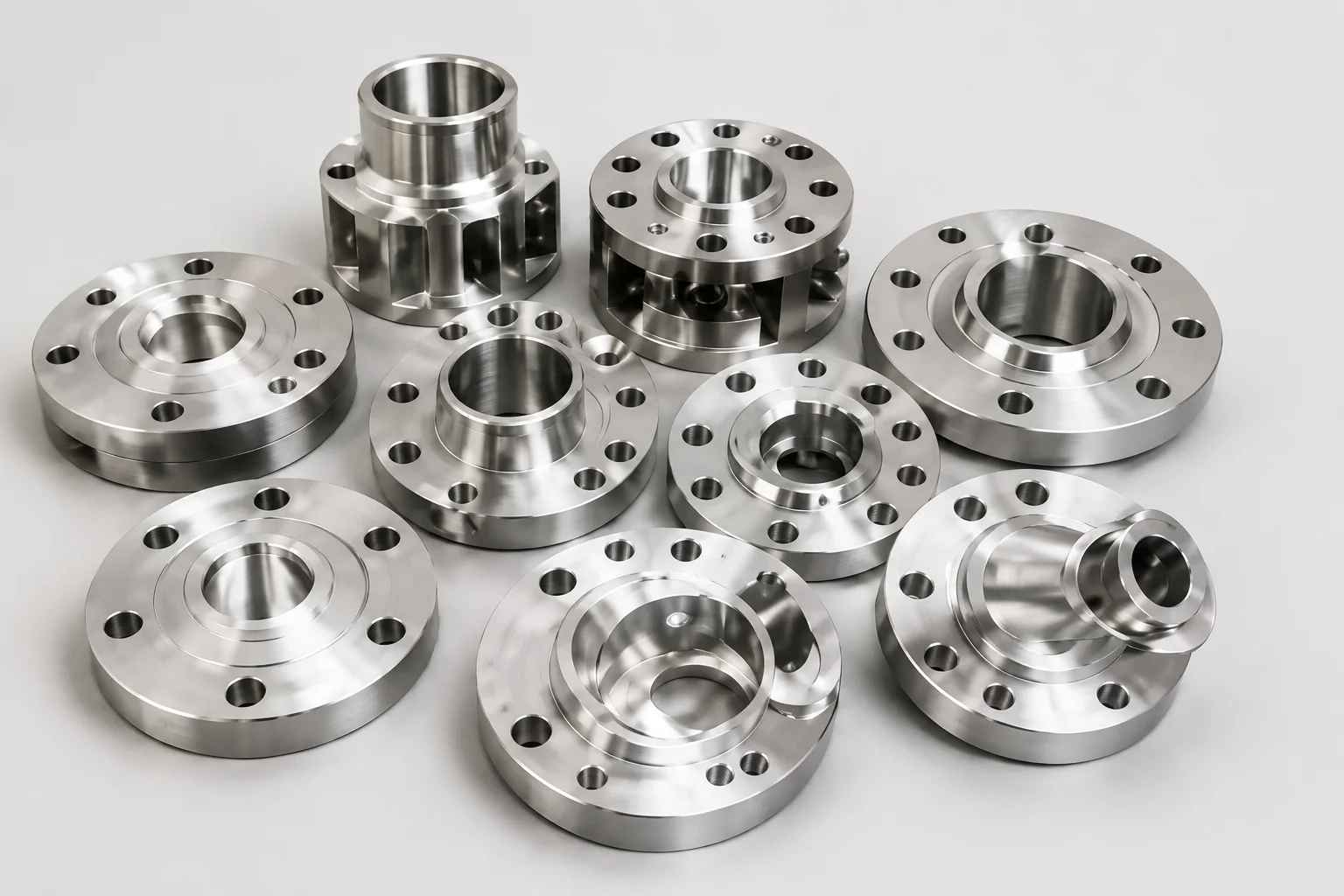
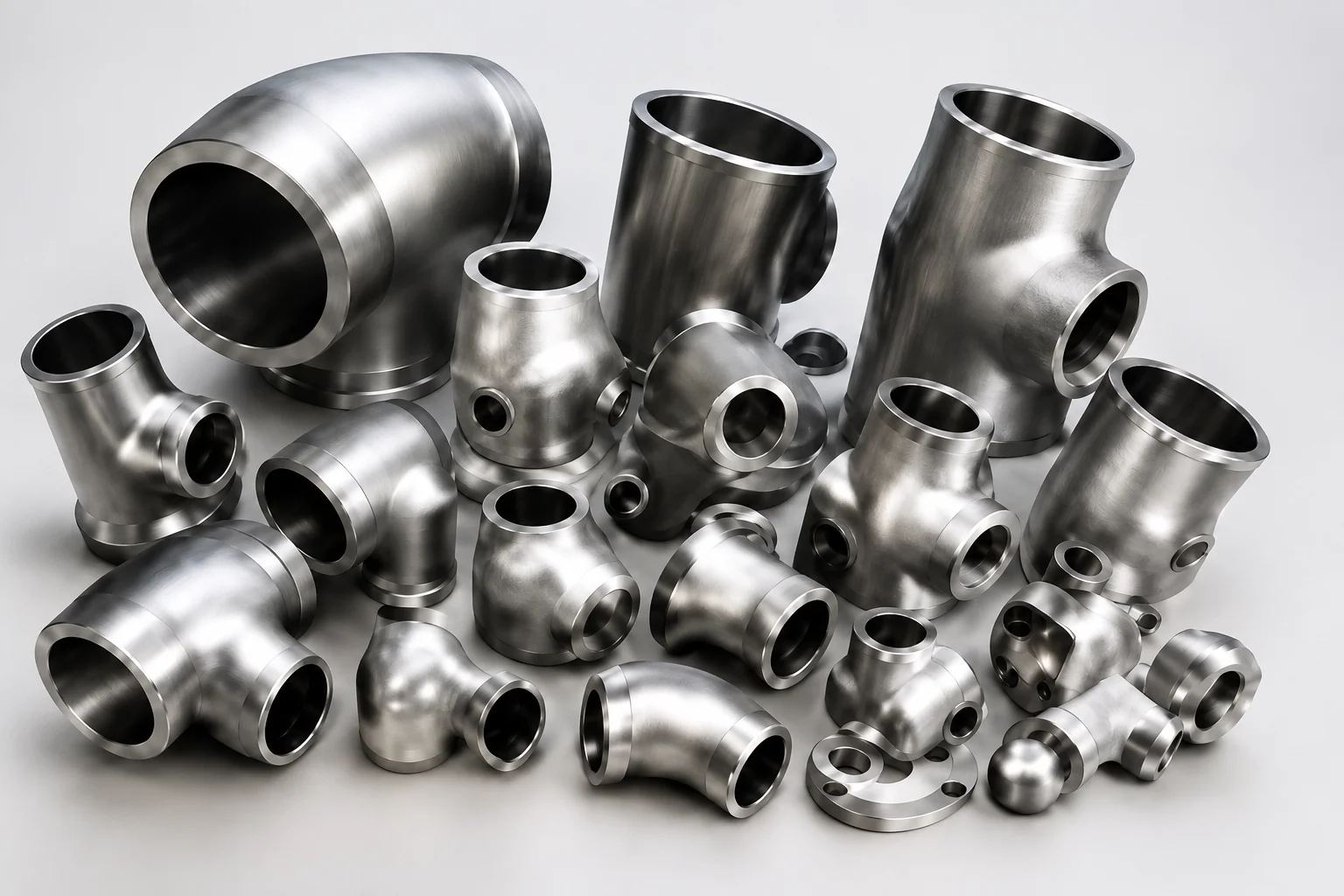
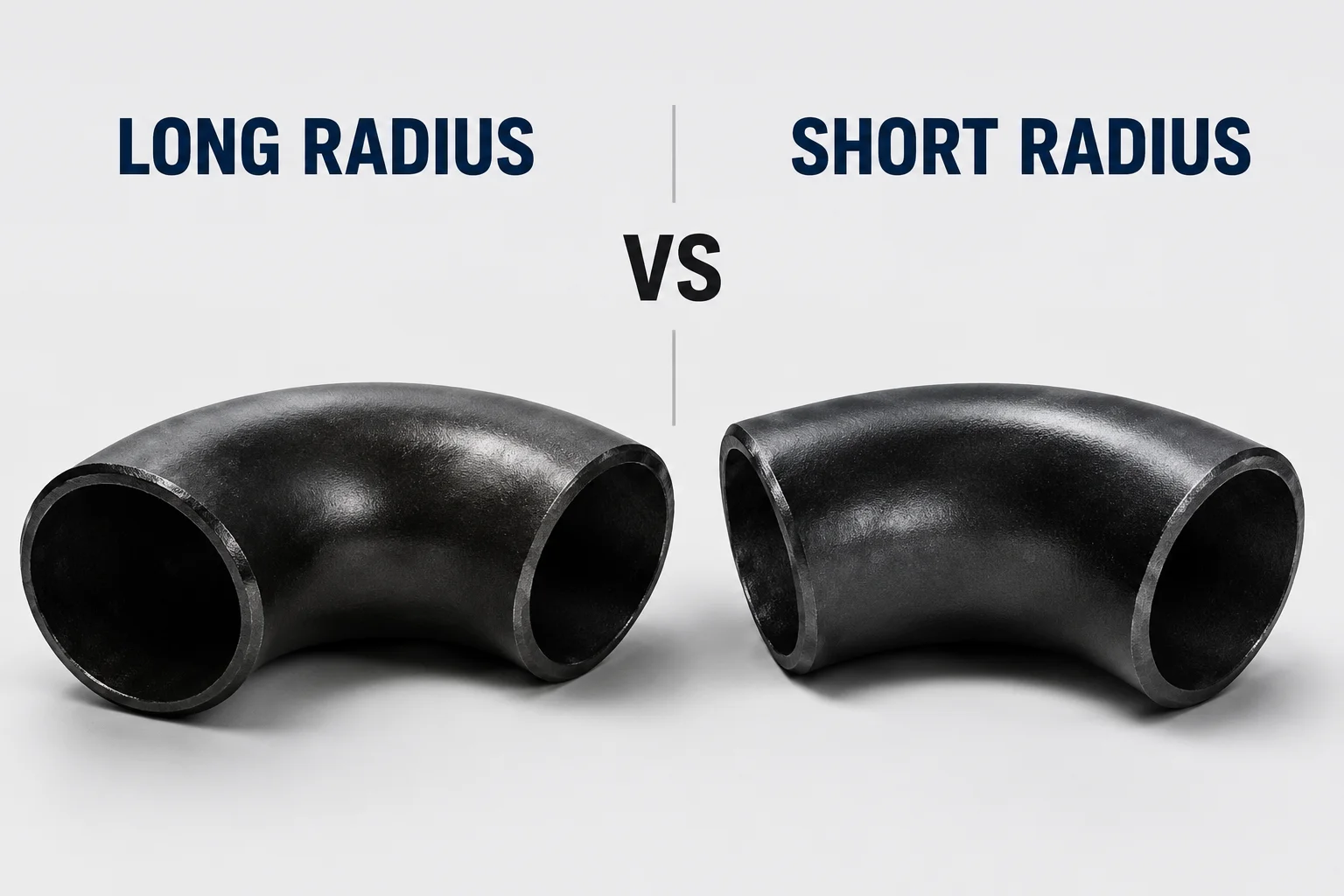
Pipe fittings and flanges can experience different corrosion conditions from straight pipe because of turbulence, crevices, weld heat tint, stagnant pockets, and gasket interfaces. Reducers, elbows, tees, drains, and valve cavities deserve specific review.
For valves, body, trim, seat, stem, gasket, packing, and fasteners may require different materials. A corrosion-resistant body does not guarantee compatible internals.
FAQ
Which pipe material is most corrosion resistant?
There is no universal answer. Resistance depends on the exact environment and degradation mechanism.
Is 304 stainless suitable for seawater?
Do not assume so. Chloride level, temperature, oxygen, velocity, crevices, and service conditions require material review.
Can coating replace corrosion-resistant alloy?
Sometimes, but coating integrity, damage, permeation, repair, and inspection must be acceptable for the service.
What is corrosion allowance?
It is additional wall thickness provided for expected material loss, usually for predictable general corrosion.
Why is PMI requested?
Positive material identification helps reduce alloy mix-ups when the project requires grade verification.
Next Steps
Send the material engineer a complete fluid and operating envelope before selecting pipe, fitting, valve, flange, gasket, and coating materials. Mark assumptions that still require confirmation.
Request a Quote