
Overview
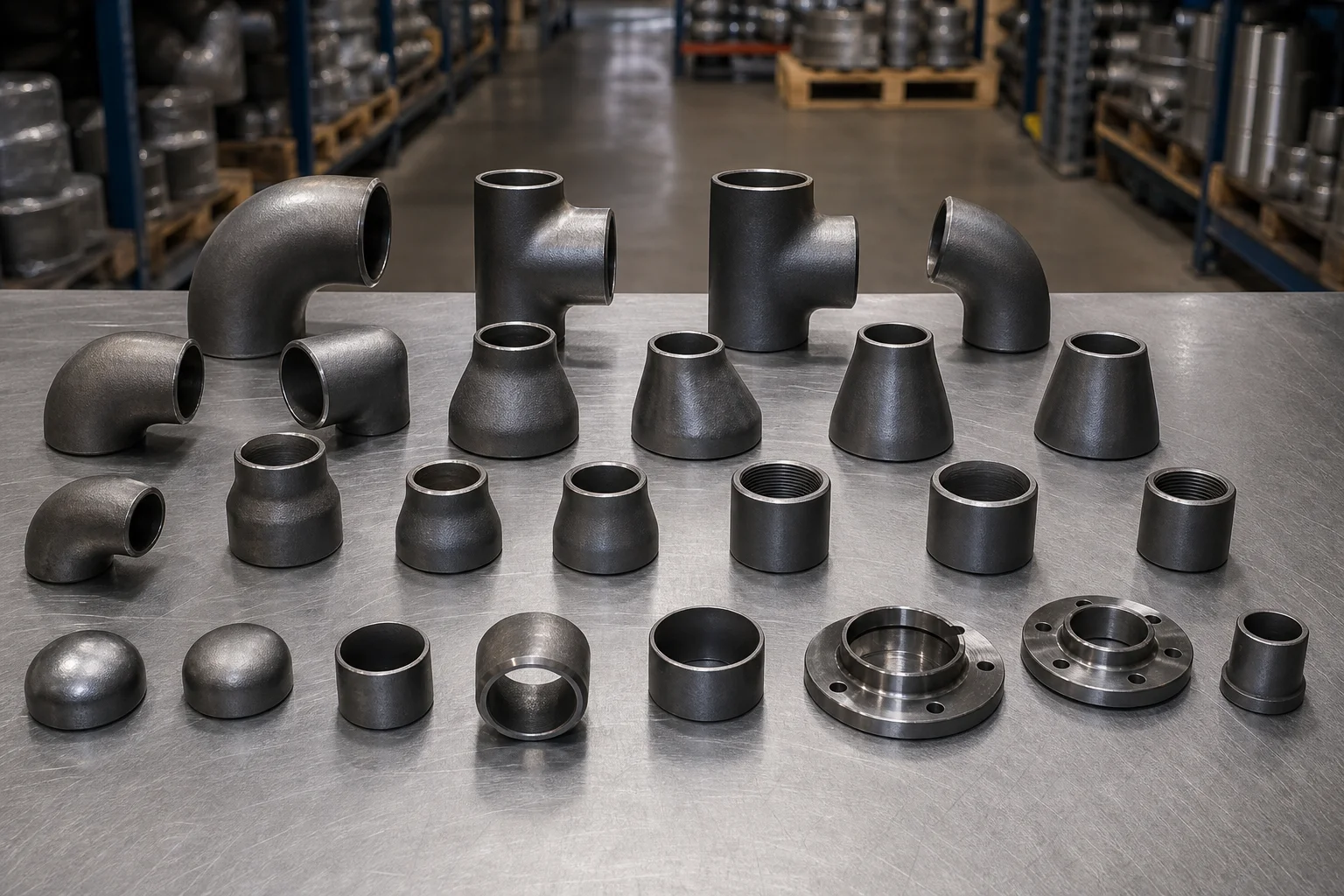
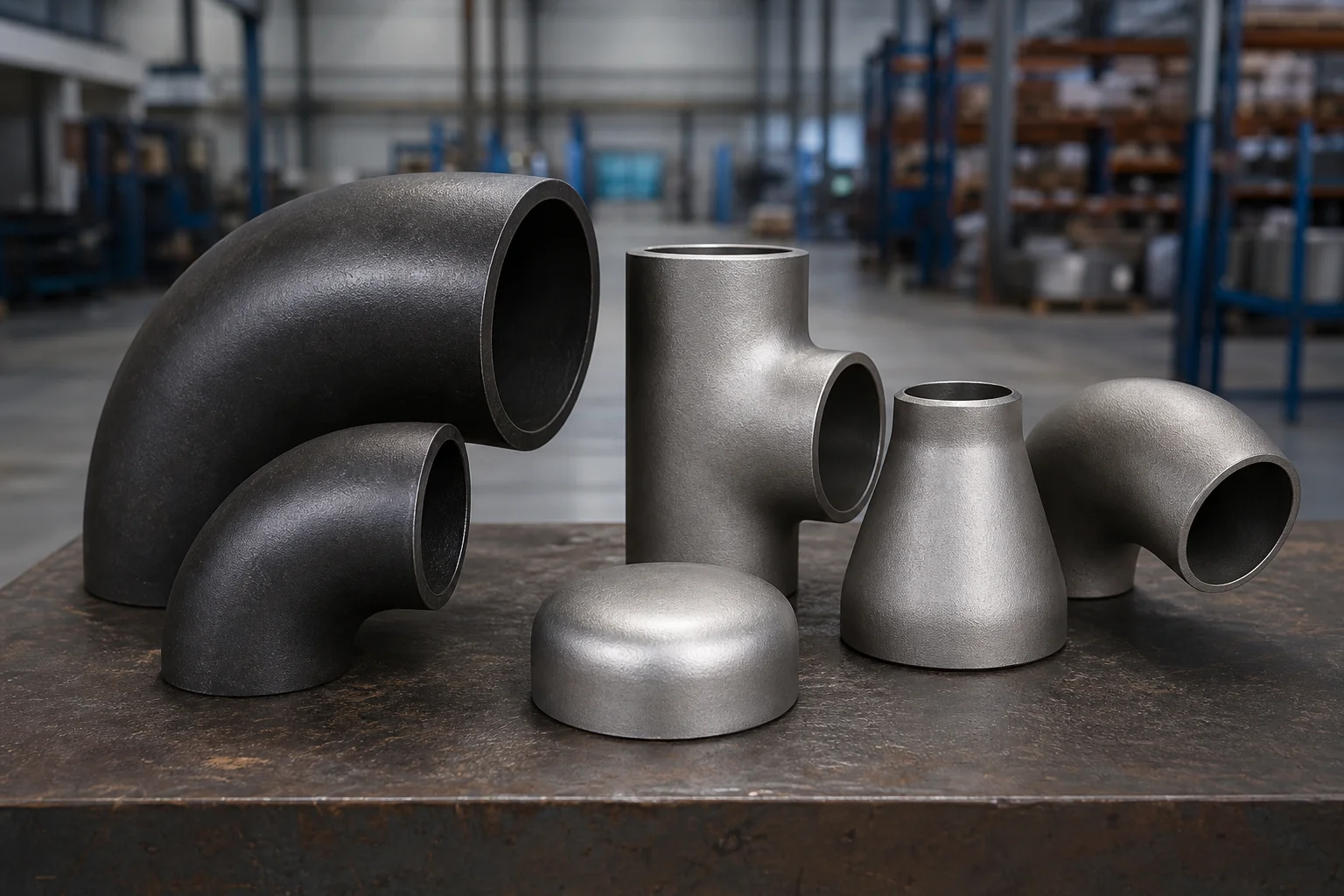
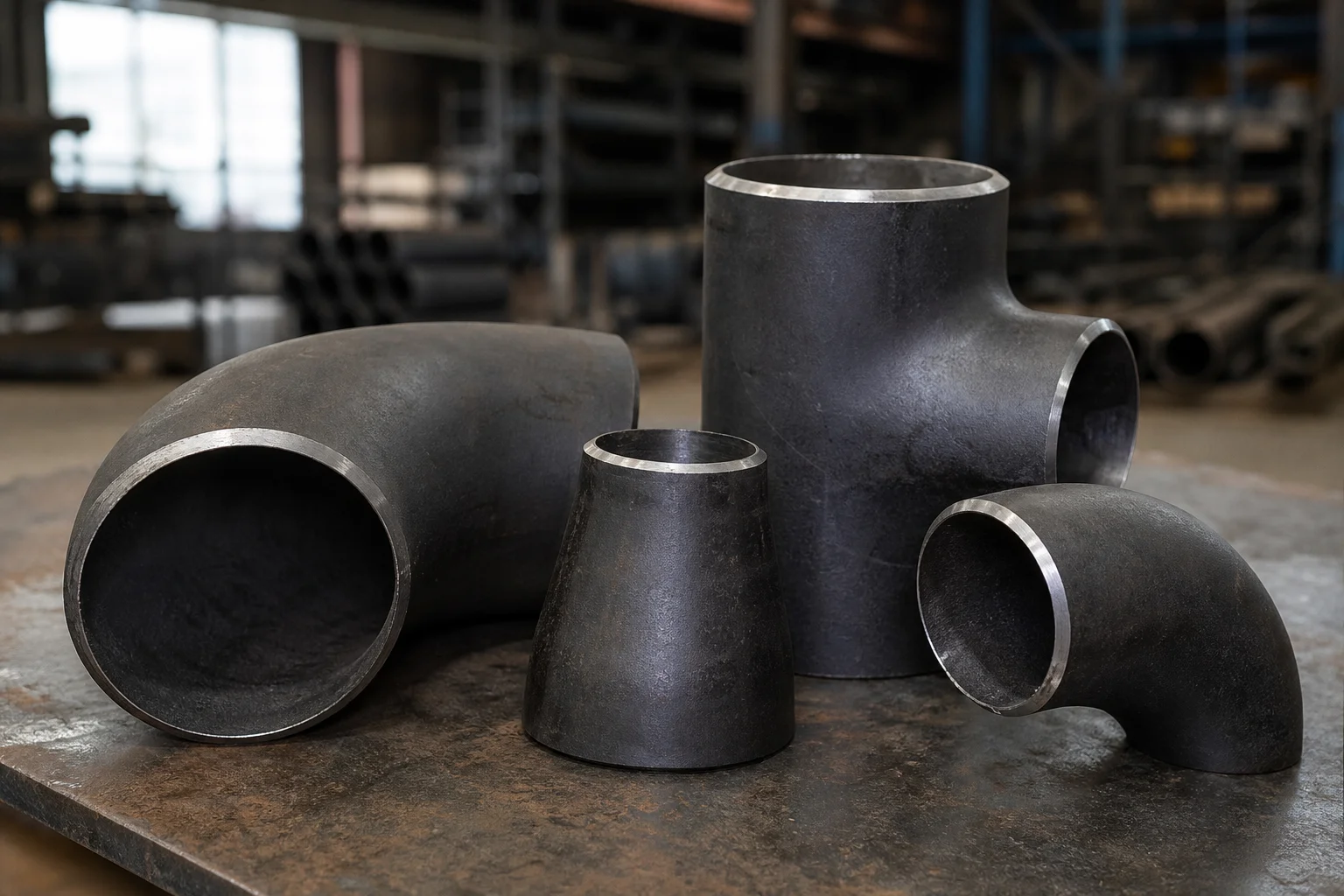
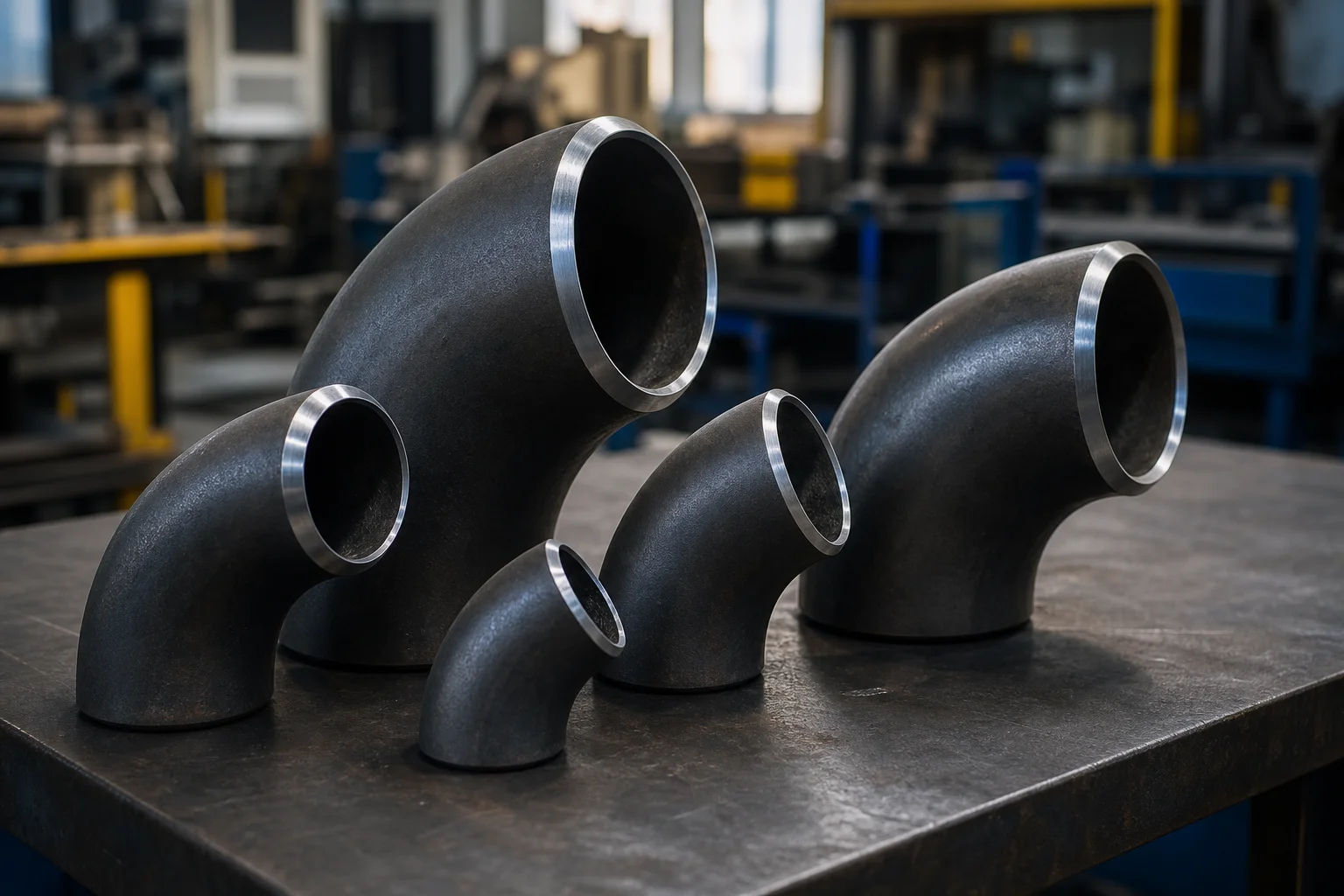
An elbow pipe fitting changes the direction of flow in a pipeline. The most common angles are 45 degrees, 90 degrees, and 180 degrees. Industrial elbows are available in long-radius and short-radius forms, with butt-weld, socket-weld, threaded, flanged, grooved, and compression connections.
The correct elbow must match the connected pipe size, wall thickness, material, design pressure and temperature, dimensional standard, radius, and end preparation.
Why It Matters for Pipe Components
Elbow geometry affects layout space, pressure drop, erosion, flow distribution, and welding access. A short-radius elbow saves space but creates a sharper change in direction. A long-radius elbow generally provides a smoother flow path and is widely used in process piping.
Incorrect center-to-end dimensions can cause prefabricated spools to miss their connection points. A bore mismatch can create turbulence or welding difficulty. For abrasive, slurry, or high-velocity service, radius and wall allowance may be critical to service life.
Methods, Parameters, or Process
Elbows are selected by angle, radius, size, wall, material, and connection.
| Parameter | Common options | Selection note |
|---|---|---|
| Angle | 45°, 90°, 180°, special angle | Match the piping layout |
| Radius | Long radius, short radius, custom bend radius | Influences space and flow |
| Connection | Butt weld, socket weld, threaded, flanged, grooved | Match the piping class |
| Construction | Seamless, welded, forged, cast, fabricated | Depends on size, standard, and material |
| Wall | Schedule or minimum wall | Match connected pipe and design |
| Material | Carbon, stainless, alloy, duplex, nickel alloy | Match corrosion and temperature |
| Standard | ASME, EN, DIN, ISO, JIS, project drawing | Controls dimensions and tolerances |
For butt-weld elbows, confirm outside diameter, center-to-end dimension, wall thickness, bevel, ovality, and inside transition. For threaded elbows, specify thread type, class, pressure rating, and female-female or male-female arrangement. For socket-weld elbows, check socket bore and depth.
Large-diameter elbows may be seamless, welded from pipe, formed from plate, or fabricated from segments. The manufacturing route should be agreed because it affects weld examination and documentation.
Supplier and Inspection Checklist
- Confirm angle and radius.
- Verify standard center-to-end dimensions.
- Check NPS or DN, outside diameter, and wall thickness.
- Confirm seamless, welded, forged, cast, or fabricated construction.
- Inspect bevel angle, root face, and end squareness.
- Measure ovality and wall thinning after forming.
- Check internal surface for folds, laps, scale, and excessive mismatch.
- Verify material grade and heat-number traceability.
- Review heat-treatment and NDT records where required.
- Confirm coating, pickling, passivation, or end protection.
- For fabricated elbows, review weld procedures and examination coverage.
- For lined or clad elbows, inspect continuity and end details.
Application to Pipe Fittings, Valves, and Flanges
Elbows are often installed close to valves, pumps, flowmeters, and flanged equipment. Layout should provide enough straight run where instruments or equipment require stable flow. The elbow radius and center-to-end dimension must also allow space for flange bolts, valve actuators, and maintenance removal.
When an elbow connects directly to a valve or flange, confirm bore alignment and compatible welding ends or flange standard.
FAQ
What is the difference between a long-radius and short-radius elbow?
A long-radius elbow has a larger centerline radius and usually provides a smoother flow path. A short-radius elbow is more compact but produces a sharper directional change.
Are elbow wall thickness and pipe schedule the same?
They are commonly specified using the connected pipe schedule, but manufacturing tolerances and wall thinning during forming must be considered. The purchase specification should define the required minimum wall if critical.
Can special-angle elbows be manufactured?
Yes. Special angles can be produced by forming, cutting standard elbows, or fabrication, depending on size and material. A drawing should define the angle, tangent lengths, and inspection requirements.
When is a fabricated elbow acceptable?
Fabricated elbows are often used for large sizes or special geometry. Acceptance depends on the piping code, project specification, weld procedures, and required NDT.
Next Steps
Send the supplier an RFQ stating angle, radius, size, schedule, material, standard, construction, bevel, inspection, certification, coating, quantity, and required delivery date. Attach a drawing for special angles or nonstandard center-to-end dimensions.
Request a Quote