
Overview
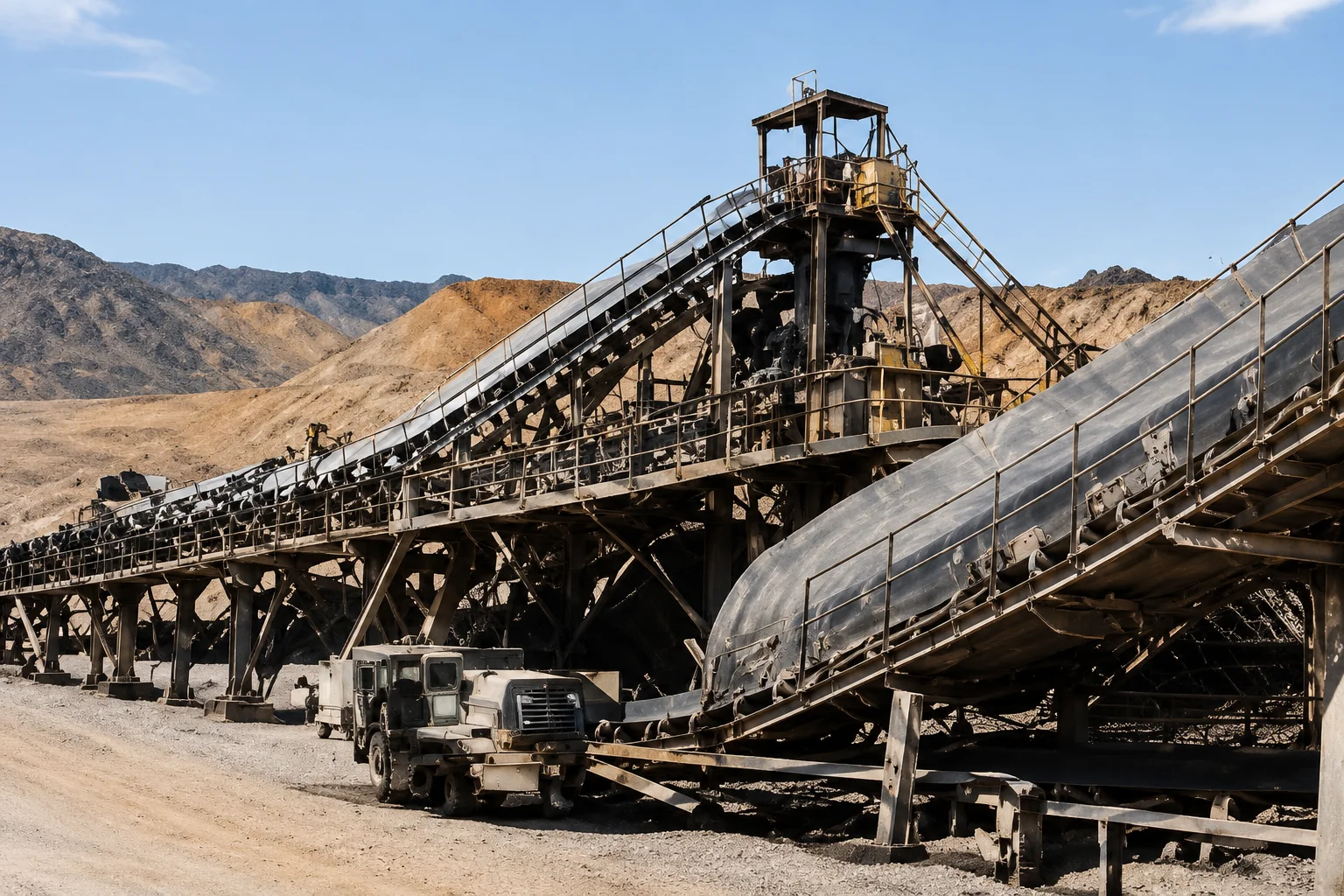
External anti-corrosion coating protects steel pipe, fittings, and selected flange surfaces from soil, water, salt, chemicals, condensation, and atmospheric exposure. Common systems include liquid epoxy, fusion-bonded epoxy, multilayer polyethylene or polypropylene, polyurethane, zinc-rich coatings, tapes, wraps, and project-specific combinations. The correct system depends on environment, operating temperature, installation method, mechanical damage risk, and repair strategy.
A coating name alone is not a complete specification. The purchase order should define surface preparation, dry-film thickness, cure, adhesion, holiday testing, cutbacks, field-joint treatment, handling, repair, colour, and documentation.
Why It Matters for Pipe Components
Coating failure can begin at poor surface preparation, sharp edges, salt contamination, trapped moisture, inadequate cure, or transport damage. A thick coating is not necessarily a good coating if adhesion and continuity are poor.
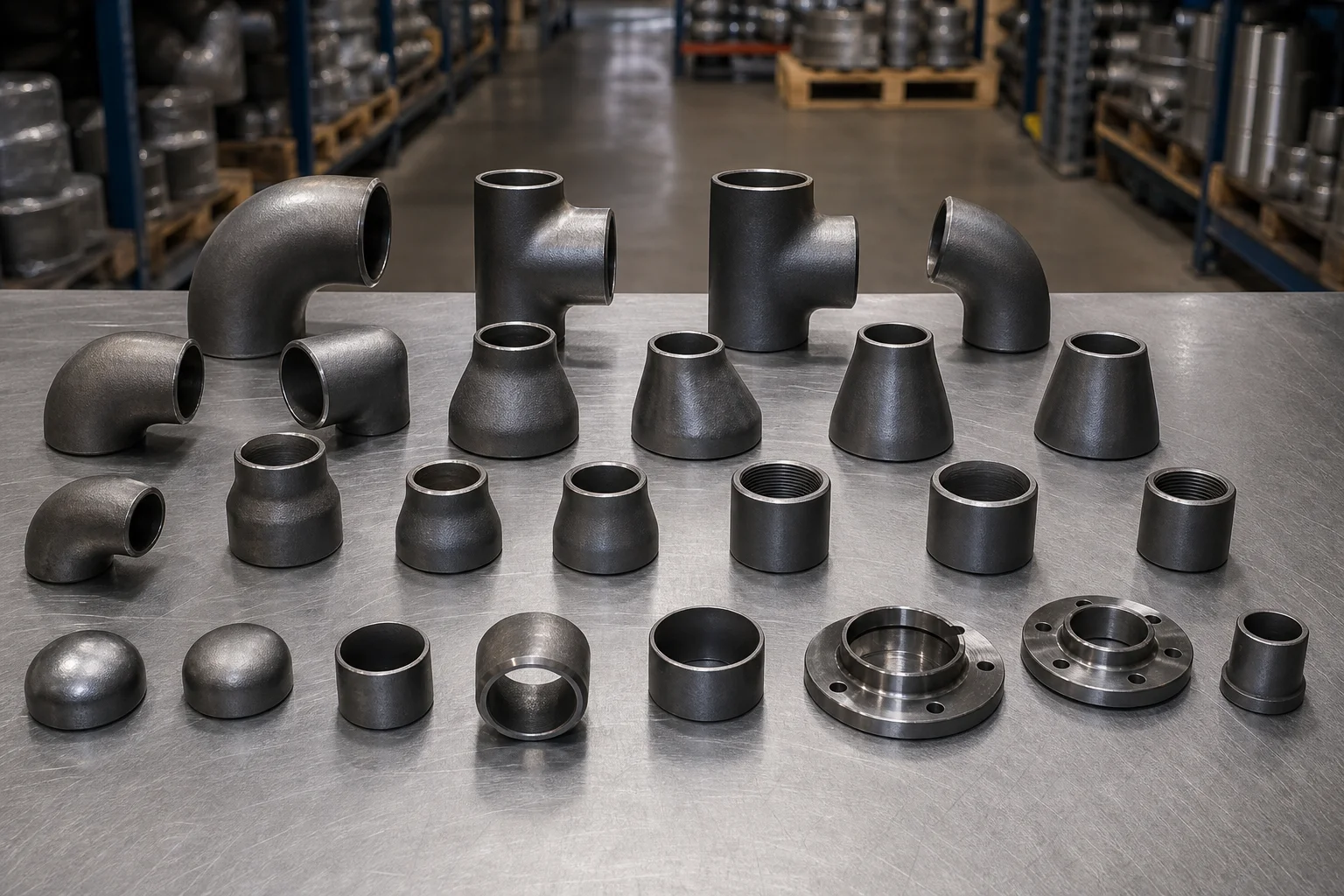
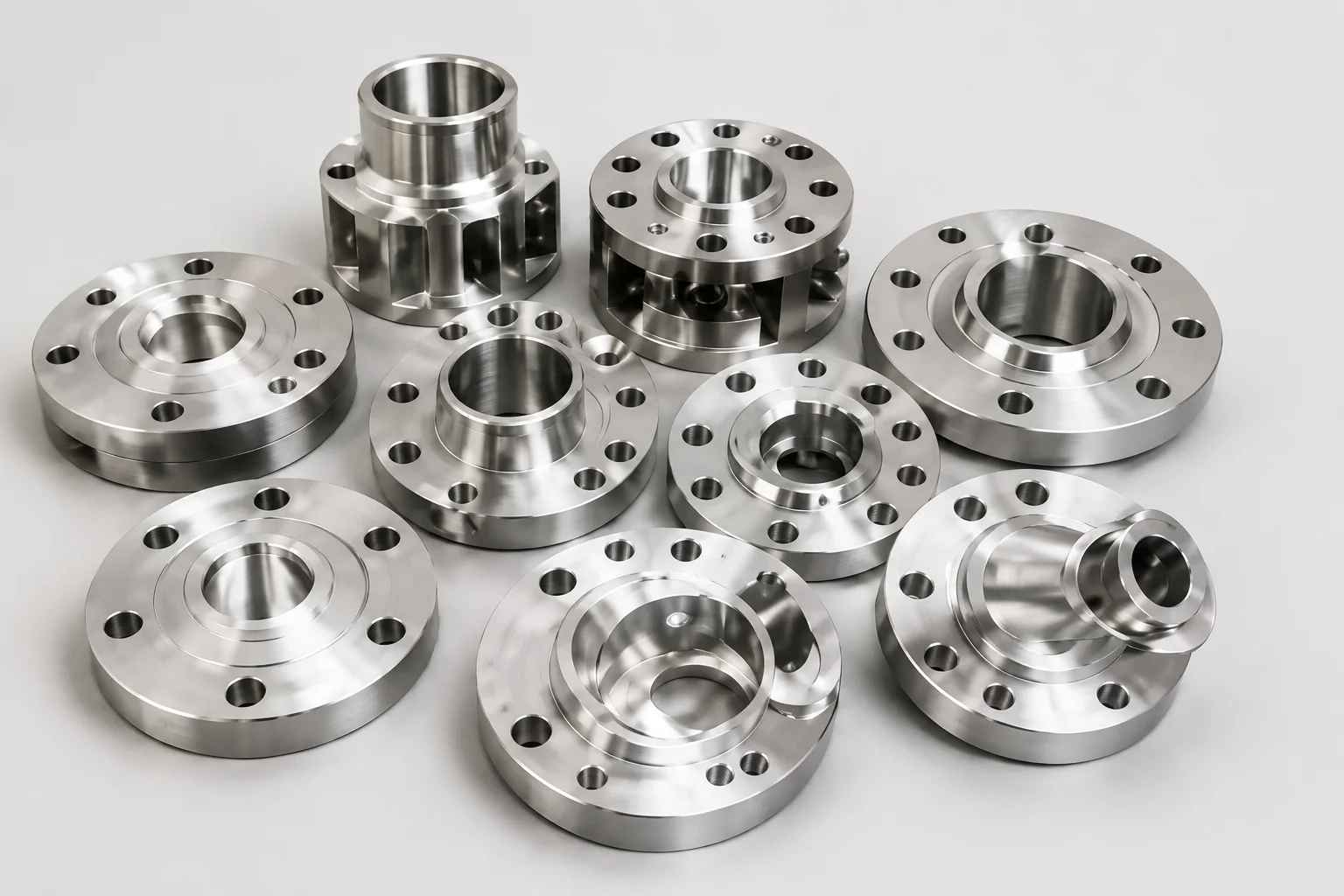
Fittings and flanges are harder to coat uniformly than straight pipe. Hubs, bolt holes, weld bevels, gasket faces, threads, drain holes, and identification marks may require masking or special treatment.
The external system must also work with cathodic protection, insulation, burial conditions, fireproofing, and field welding. Incompatible layers or unapproved repair materials can shorten service life.
Methods, Parameters, or Process
Specify the coating as a controlled process rather than a colour or brand name.
| Process stage | Required control | Typical inspection evidence |
|---|---|---|
| Surface preparation | Cleaning grade, profile, dust, salt, climate | Preparation record and profile measurements |
| Application | Material batch, mixing, temperature, equipment | Batch traceability and application log |
| Thickness and cure | Minimum/maximum DFT and cure criteria | Calibrated DFT readings and cure test |
| Continuity | Holiday-test voltage and acceptance | Holiday map and repair record |
| Adhesion | Specified test method and frequency | Test report and failure mode |
| Handling and repair | Approved padding, lifting, repair system | Final inspection and release photos |
Supplier and Inspection Checklist
- Identify atmospheric, buried, submerged, insulated, or splash-zone exposure.
- State design and installation temperatures.
- Define surface-preparation and environmental limits.
- Specify coating build, thickness range, cure, and colour.
- Mark areas to remain uncoated, including gasket faces and weld ends.
- Define holiday, adhesion, impact, and other tests required by the project.
- Approve field-joint and repair materials before shipment.
- Inspect sharp edges, welds, supports, and flange transitions carefully.
- Use non-damaging slings and separators during packing.
- Record all repairs and final acceptance results.
Application to Pipe Fittings, Valves, and Flanges
Straight pipe coating lines provide controlled application, but elbows, tees, reducers, valves, and flanges may require manual or specialised coating. The inspection plan should account for their geometry.
Flange gasket faces, RTJ grooves, threaded ports, socket bores, and butt-weld bevels are normally protected rather than coated unless the project says otherwise. Temporary rust preventive should not contaminate surfaces that will be welded or sealed.
FAQ
What is the best external pipe coating?
There is no universal best system. Environment, temperature, installation, damage risk, and maintenance strategy control the choice.
Is coating thickness the main quality measure?
No. Surface preparation, adhesion, cure, continuity, and handling are equally important.
Should flange faces be coated?
Gasket seating surfaces are commonly masked or protected, but the project specification controls the requirement.
What is a holiday test?
It is an electrical continuity test used to locate pores or discontinuities in a nonconductive coating on a conductive substrate.
Can damaged coating be repaired in the field?
Yes when an approved repair system and procedure are used and the repair is reinspected.
Next Steps
Provide the supplier with the exposure environment, temperature, coating system, test requirements, masking drawing, field-joint plan, and packing standard before pricing.
Request a Quote