
Overview
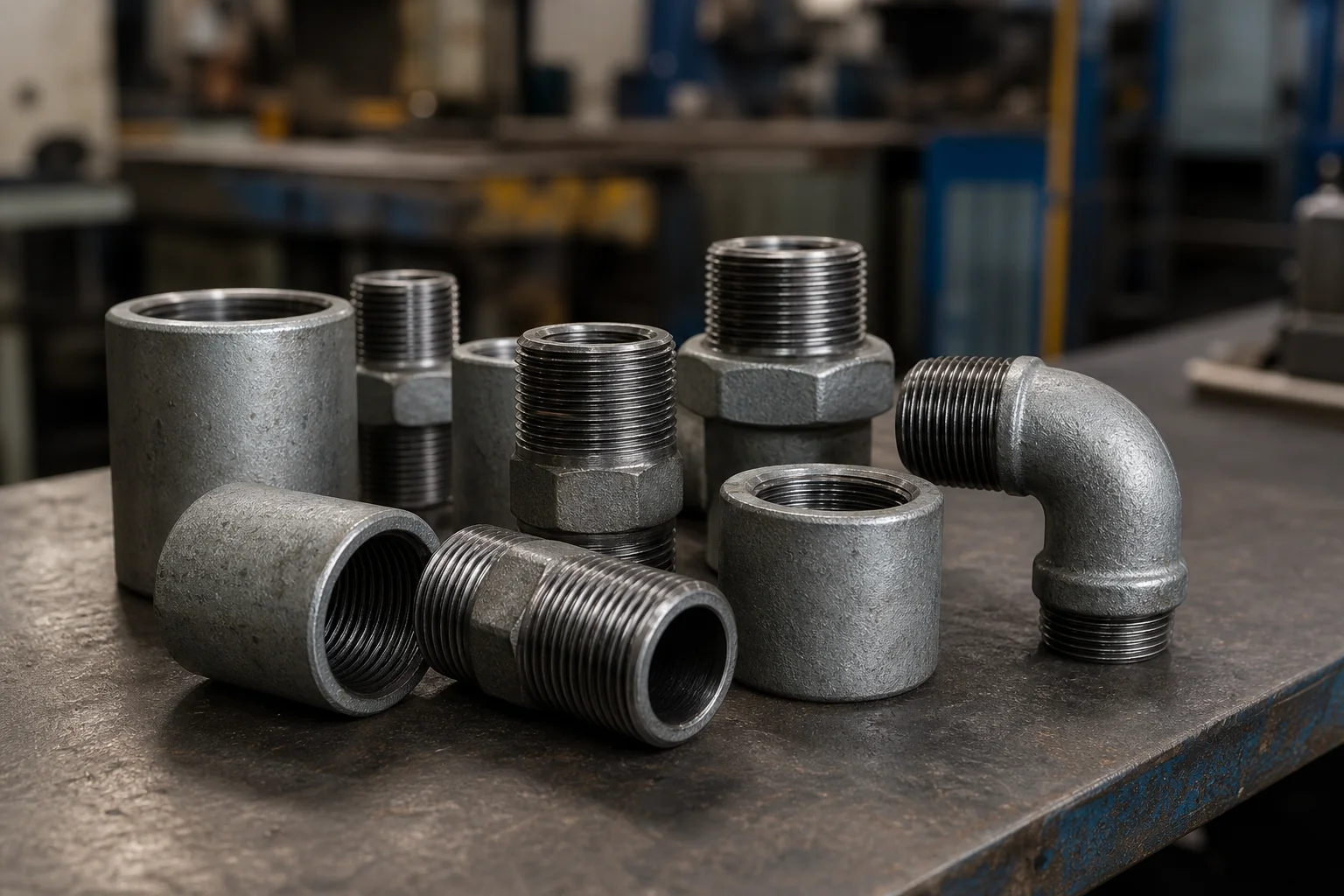
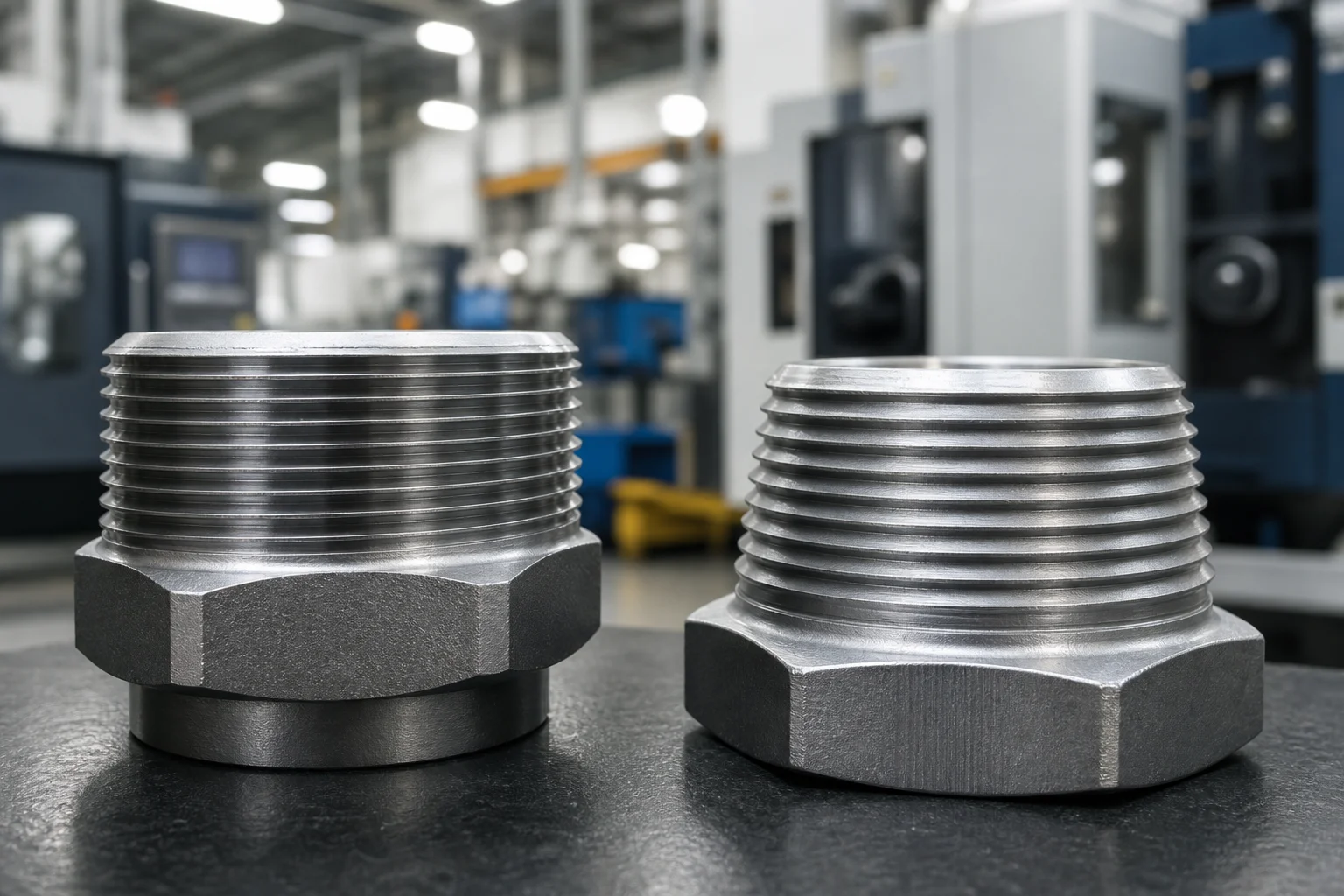
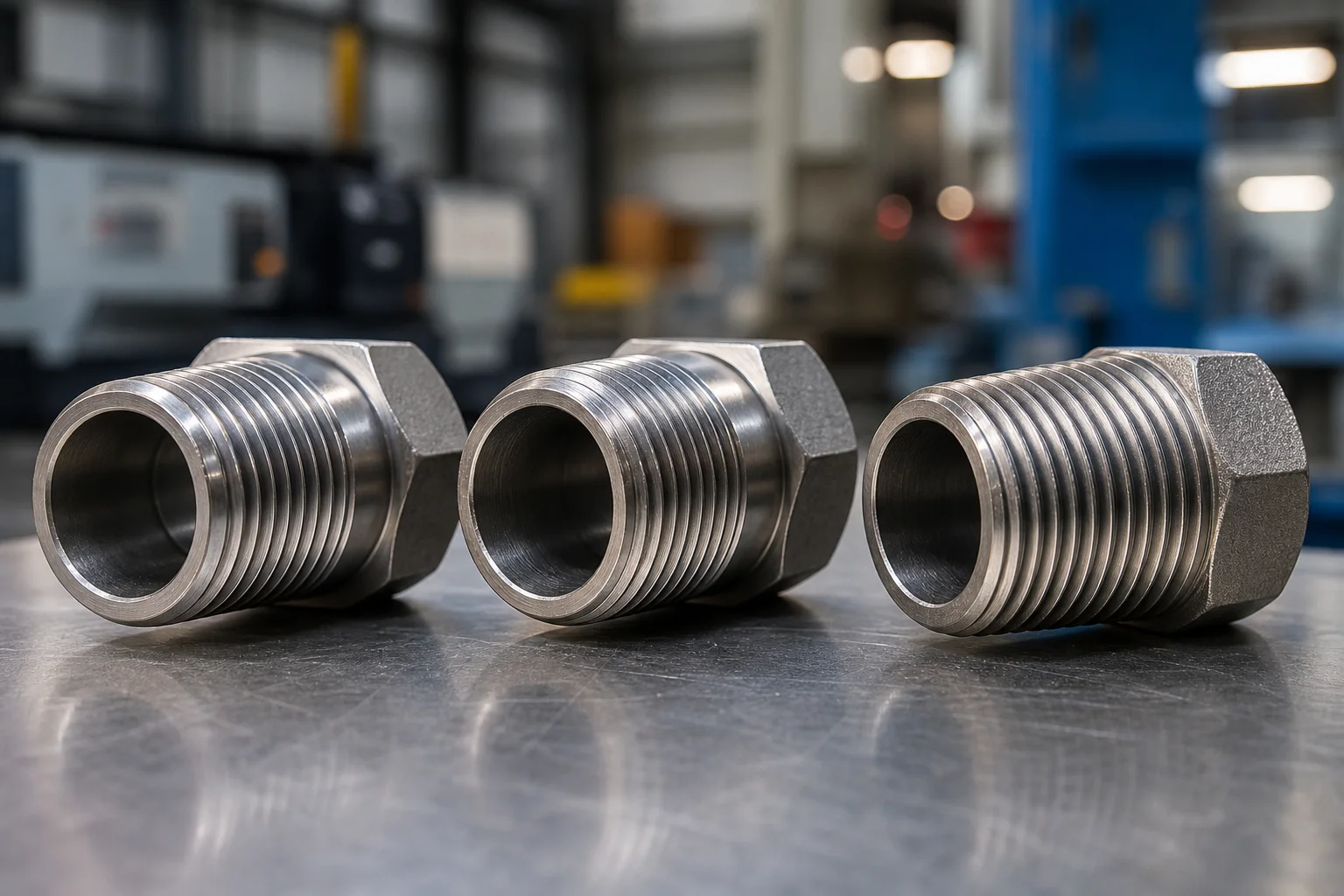
FIP commonly means female iron pipe or female internal pipe connection in North American plumbing and piping trade language. It usually describes a female NPT-type connection that accepts a male pipe thread. MIP commonly means male iron pipe. FIP, however, is not the controlling dimensional thread standard.
The useful interpretation of FIP vs NPT is that FIP describes connection gender and trade style, while NPT identifies the standardized tapered thread form. Drawings should use the exact NPT designation whenever compatibility matters.
Why It Matters for Pipe Components
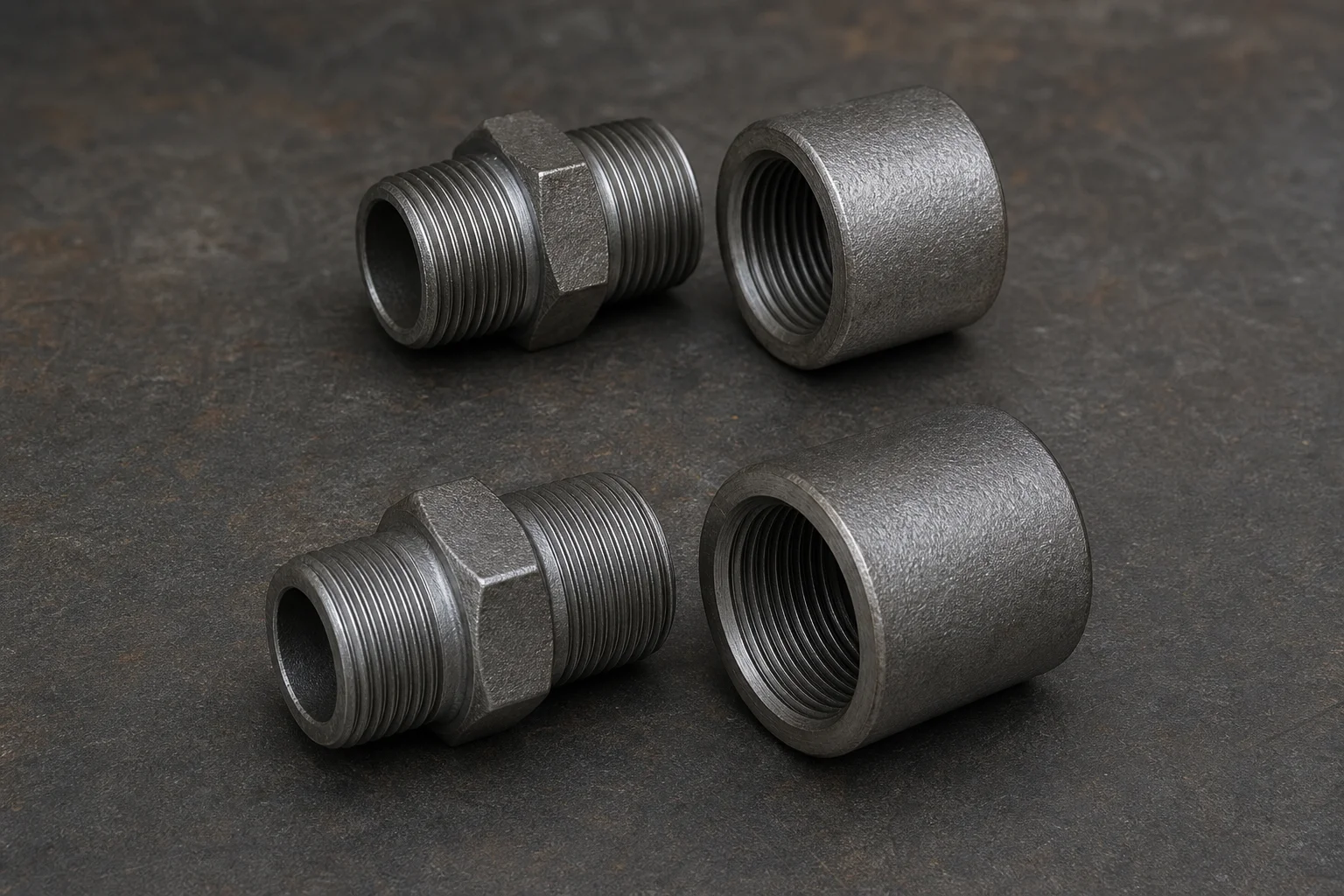
Catalogs may use FIP, FNPT, female NPT, and female pipe thread for similar products. Other markets may use “female pipe” without meaning NPT. A buyer relying only on FIP can receive BSP, straight, or proprietary threads if the supplier uses another naming convention.
The word iron does not require the fitting to be iron. Brass, stainless steel, carbon steel, plastic, and other products can have FIP ends. Material and thread designation are separate.
A female port that looks like FIP may actually be BSPP or BSPT. Forced assembly can damage threads and create a leak path.
Methods, Parameters, or Process
Translate trade shorthand into an engineering description before ordering.
| Term | Common meaning | Engineering clarification |
|---|---|---|
| FIP | Female iron pipe / female pipe end | Usually female NPT in North American catalogs; verify |
| FNPT | Female NPT | More explicit NPT gender designation |
| MIP | Male iron pipe / male pipe end | Usually male NPT; verify |
| MNPT | Male NPT | More explicit NPT gender designation |
| NPT | National Pipe Taper system | Controls taper, profile, dimensions, gauging |
| Female BSP | British-system internal thread | Not equivalent unless explicitly defined |
Supplier and Inspection Checklist
- Replace FIP-only descriptions with female NPT and nominal size when intended.
- Confirm material, product standard, fitting type, and rating.
- Check how the supplier defines FIP.
- Measure pitch, taper, and profile on existing ports.
- Use the correct NPT gauge.
- Confirm the male mating part uses the same system.
- Select sealant for the actual service.
- Do not assume iron in the name defines material.
- Use rated adapters for BSP-to-NPT conversion.
- Keep terminology consistent across RFQ, drawing, PO, and inspection.
Application to Pipe Fittings, Valves, and Flanges
FIP ends appear on couplings, elbows, tees, valves, regulators, adapters, hoses, and equipment ports. The pressure rating comes from the component design and material, not from the FIP label.
A valve described as 1/2 FIP may be intended for a 1/2 male NPT nipple. The buyer should still verify body material, rating, temperature, fluid compatibility, seat, and listing.
For industrial projects, FNPT and MNPT are clearer than FIP and MIP because they explicitly identify NPT.
FAQ
What does FIP mean in plumbing?
It commonly means female iron pipe, usually a female NPT-type connection in North American trade usage.
Is FIP the same as NPT?
FIP describes a female connection; NPT describes the thread system. Many FIP products are female NPT, but verify.
What is FIP vs MIP?
FIP is female and MIP is male trade terminology.
Must an FIP fitting be iron?
No. The term can appear on brass, steel, stainless, plastic, and other products.
Can FIP connect to BSP?
Do not assume so. Verify the exact system and use a rated adapter if needed.
Next Steps
Use FNPT or a complete standard designation on technical documents. When an enquiry says only FIP, ask for size, thread standard, material, product type, service, and rating.
Request a Quote