
Overview
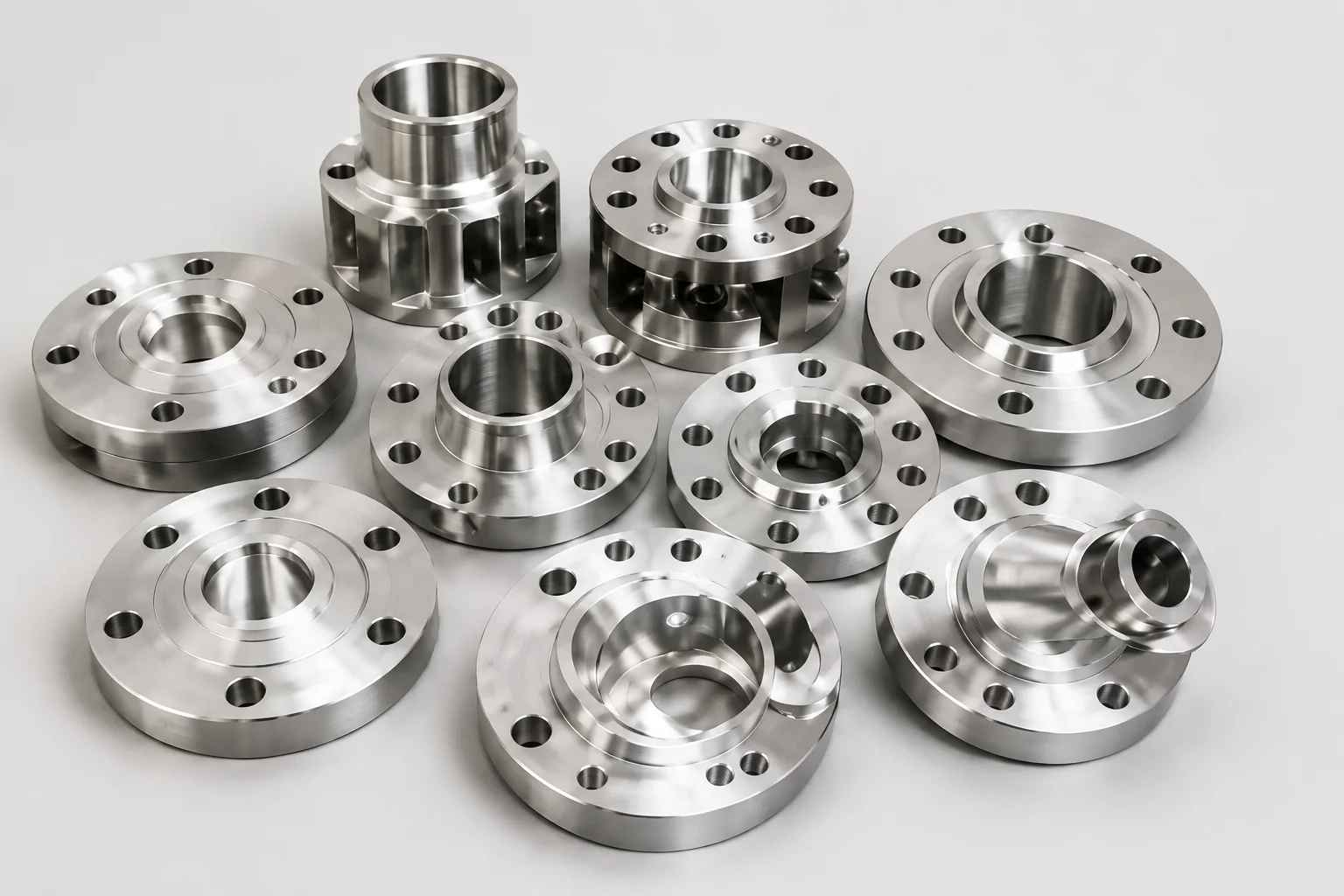
A flat face flange has a gasket contact surface that is substantially flat across the flange face according to its design standard. It is used in specific piping and equipment systems where the joint design calls for an FF facing.
Why It Matters for Pipe Components
Flat-face joints can be sensitive to flange flatness, gasket coverage, equipment material, and bolt loading. A raised-face mating flange can change the load path and may overstress some components.
The facing must be stated explicitly on purchase orders for valves, pumps, and equipment. “Standard facing” is ambiguous across suppliers and standards.
Methods, Parameters, or Process
Select the joint using controlled interface data.
| Parameter | What to confirm |
|---|---|
| Flange standard | Defines dimensions and FF designation |
| Equipment drawing | Confirms nozzle or valve facing |
| Gasket | Type, dimensions, thickness, and material |
| Flatness | Inspection requirement and acceptance basis |
| Surface finish | Project-specified finish |
| Bolting | Material, length, and tightening procedure |
| Coating | Limits on the gasket contact surface |
A full-face gasket may be used in many FF arrangements, but the joint design and gasket specification must control. Do not state it as a universal requirement.
Verification note: facing dimensions, gasket details, and pressure-temperature suitability must be checked against the contract documents.
Supplier and Inspection Checklist
- Confirm FF on both mating parts.
- Inspect face flatness and surface condition.
- Verify gasket coverage and bolt-hole alignment.
- Check equipment manufacturer requirements.
- Confirm bolting and tightening sequence.
- Keep coating and debris off the gasket surface.
- Obtain engineering approval for any RF-to-FF connection.
- Record face repairs or machining.
Application to Pipe Fittings, Valves, and Flanges
Flat face flanges are found on selected pipe systems, valves, pumps, and equipment. They are commonly associated with particular material systems and manufacturer designs, but the project specification is the authority.
For replacement equipment, verify the original facing from drawings and field measurements before ordering.
FAQ
Is FF a pressure rating?
No. FF describes the facing. The rating must be stated separately.
Can a full-face gasket be trimmed to fit?
Only if the approved gasket specification and procedure permit it. Field modification can change sealing performance.
Can an RF flange be machined into FF?
Only under an approved engineering and repair plan that checks remaining dimensions and suitability.
What should be measured during inspection?
Outside dimensions, bolt pattern, thickness, face flatness, surface finish, and any standard-specific facing details.
Next Steps
Send the mating-equipment drawing, flange standard, size, rating, material, FF requirement, gasket specification, and bolt-up procedure with the inquiry.
Request a Quote