
Overview
Choosing a reliable China flange and pipe fittings manufacturer is crucial for US buyers. The right supplier supports quality, compliance, and cost control. With many options available, a structured evaluation process helps you pick a partner you can trust.
Start by defining your requirements, then evaluate suppliers across quality systems, certifications, production capability, and communication. The steps below provide a practical supplier-evaluation framework for flanges, elbows, tees, reducers, caps, and related pipe fittings.
Why It Matters for Pipe Components
A weak supplier choice can create mismatched standards, incomplete documentation, delayed shipments, or nonconforming flanges and fittings. Those failures affect piping integrity, project schedules, and total landed cost.
US buyers often need ASME/ANSI-compatible dimensions, clear material traceability, and export documentation that supports receiving inspection. Selecting a manufacturer with proven quality controls and communication quality reduces rework and claim risk across flanges, valves, and fittings packages.
Methods, Parameters, or Process
1) Define your requirements and applicable standards
Before you contact factories, document what you need. Clarify flange and fitting types, sizes, pressure ratings, and end connections. Confirm which standards and codes apply to your projects and customers.
Common items to confirm include:
- Product scope (flanges, elbows, tees, reducers, caps, and related fittings)
- Materials and grades (for example, carbon steel, stainless steel, alloy steel)
- Dimensional and pressure standards (such as ASME/ANSI, EN/DIN, JIS, or ISO, as required)
- Quantity, packaging, labeling, and delivery timeline
2) Build a supplier short list and perform a first-screen evaluation
Use your RFQ responses to narrow candidates. A strong supplier should answer questions clearly and provide complete documentation without delays.
Screen for:
- Relevant export experience with US buyers
- Clear product scope and manufacturing process overview
- Responsiveness and English communication quality
3) Verify certifications and quality management
Certifications are not a guarantee by themselves, but they are important signals. Ask for copies, confirm validity, and check whether the scope matches the products you are buying.
Also review the supplier’s quality controls and traceability practices, including:
- Incoming material inspection and mill test report (MTR) handling
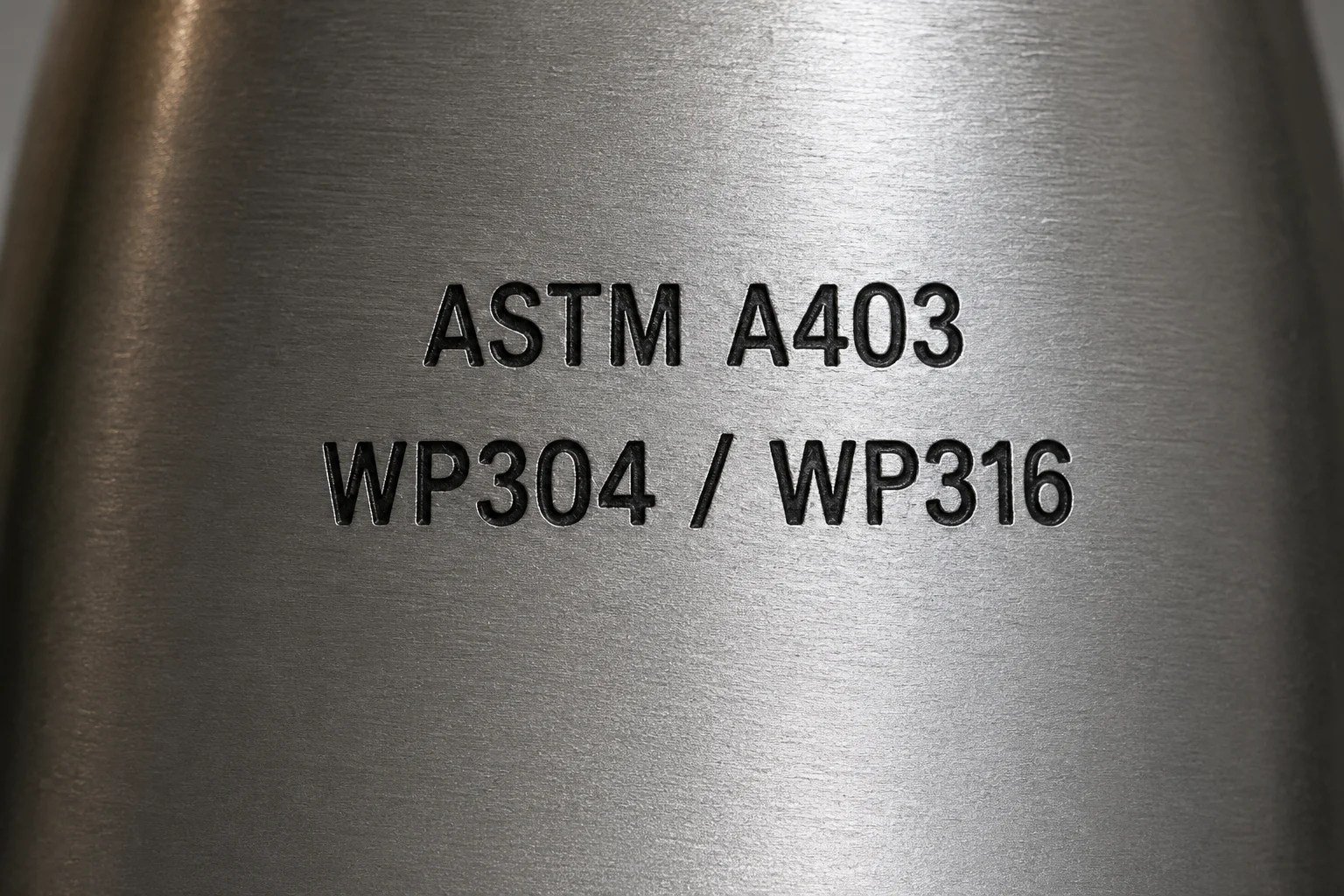
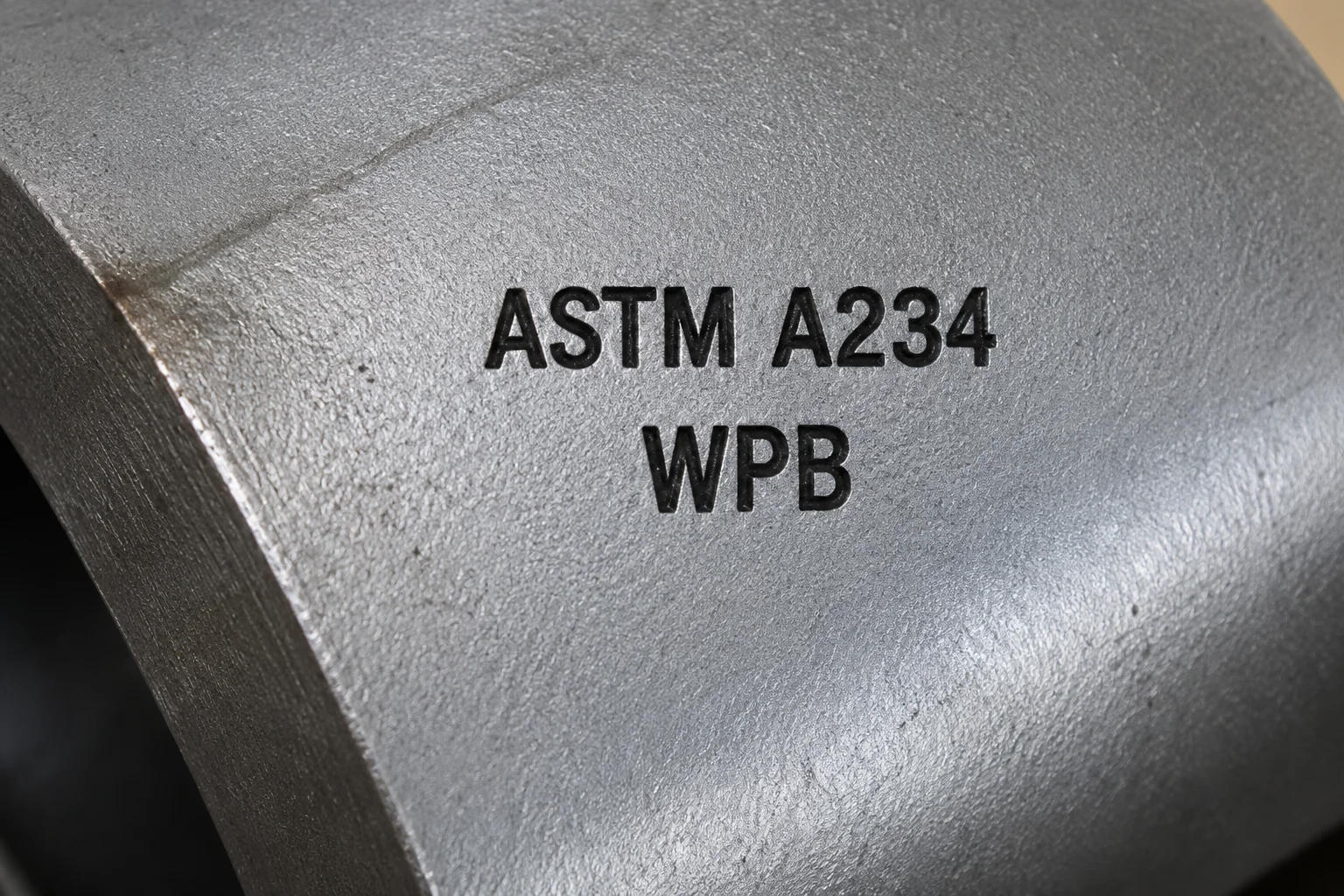
- Heat number traceability and marking rules
- In-process checks and final inspection criteria
- Testing capabilities (dimensional checks, PMI, NDT, hydro or pressure tests when applicable)
4) Evaluate production capability and consistency
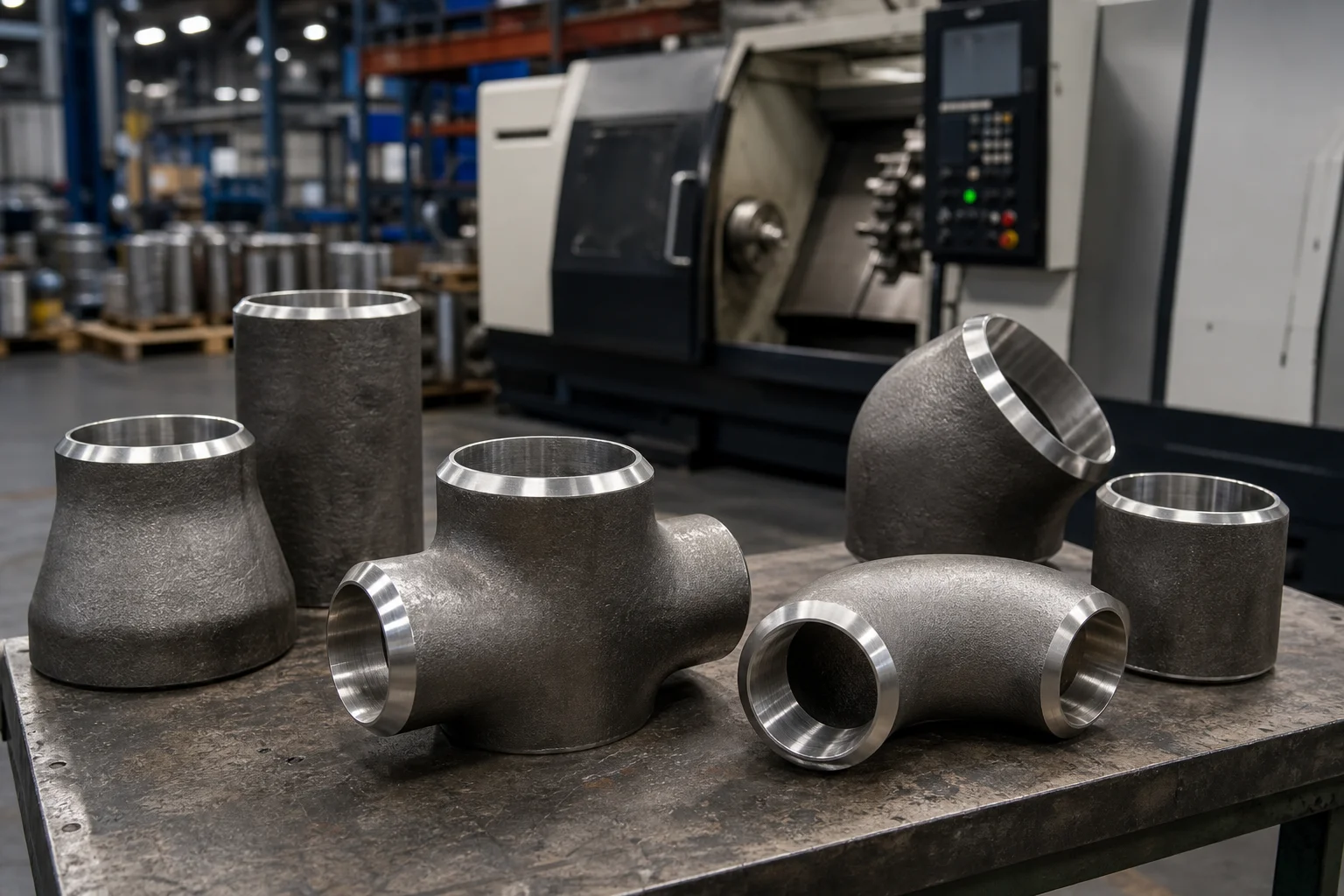
Capacity matters, but consistency matters more. Ask what equipment they use for forging, machining, heat treatment, and surface finishing, and how they control critical dimensions and tolerances.
To reduce risk, confirm:
- Whether key processes are in-house or subcontracted
- Typical lead times by product family and size range
- How they handle rush orders and change requests
5) Request samples, inspection plans, and third-party verification
For new suppliers, samples and a documented inspection and test plan (ITP) can prevent costly surprises. If the order is high value or safety critical, consider third-party inspection before shipment.
Helpful checks include:
- Pre-production meeting to confirm drawings and tolerances
- First article inspection for initial lots
- Random sampling inspection (AQL or your internal plan)
- Third-party factory audit and pre-shipment inspection
6) Review commercial terms, logistics, and compliance
Compare suppliers on total landed cost, not just unit price. Clarify Incoterms, packaging, and who is responsible for export paperwork. Align payment terms with risk level and supplier performance history.
Items to align on include:
- Incoterms (EXW, FOB, CIF, DDP, and others) and shipping method
- Lead time, partial shipments, and on-time delivery expectations
- Payment terms (T/T, L/C, milestones) and warranty or claim process
- Regulatory and customer compliance requirements for the US market
7) Put everything in a clear contract and manage risk
A detailed contract protects both sides. Define product specifications, acceptance criteria, documentation list, and how nonconforming goods will be handled. Include penalties or remedies for late delivery or quality failures when appropriate.
At minimum, specify:
- Referenced standards, drawings, and revision control
- Inspection and testing requirements and required certificates
- Packaging, marking, and traceability requirements
- Dispute resolution, warranty, and return or rework terms
Supplier and Inspection Checklist
- Confirm product scope, materials, standards, sizes, and delivery needs in writing.
- Screen RFQ responses for completeness, export experience, and communication quality.
- Verify certification copies, validity, and product-scope coverage.
- Review MTR handling, heat-number traceability, and marking rules.
- Confirm in-house versus subcontracted key processes.
- Request ITP, samples, or first-article inspection for new suppliers.
- Compare total landed cost, Incoterms, payment terms, and claim process.
- Lock acceptance criteria, documentation, and remedies into the contract.
Application to Pipe Fittings, Valves, and Flanges
This evaluation framework applies when buying flanges alone or a mixed package of flanges, butt-weld fittings, and related connections that must mate with valves and equipment. Consistent dimensional standards, facing types, pressure classes, and documentation reduce field fit-up issues.
A capable China flange and pipe fittings manufacturer should support both catalog items and drawing-based custom parts when projects require special materials, sizes, or inspection scopes.
FAQ
Why do US buyers evaluate China flange and pipe fittings manufacturers carefully?
Because quality systems, standards alignment, documentation, and logistics all affect compliance and landed cost. A structured review reduces the risk of mismatched flanges or incomplete certificates.
Are certifications enough to approve a supplier?
No. Certifications are useful signals, but buyers should also check validity, scope coverage, traceability practices, inspection capability, and production consistency.
What documents should a flange and fittings manufacturer provide?
Typical requests include MTRs, dimensional inspection records, marking and packing lists, and any required NDT or pressure-test reports. Exact documents should match the purchase order and ITP.
When should buyers use third-party inspection?
For new suppliers, high-value orders, or safety-critical service, third-party factory audits and pre-shipment inspection can reduce risk before cargo leaves China.
Next Steps
Document your product scope, standards, materials, inspection requirements, and delivery terms, then request quotes from shortlisted manufacturers. Use the checklist above to compare responses and move from supplier screening to a controlled purchase order.
Request a Quote