
Overview
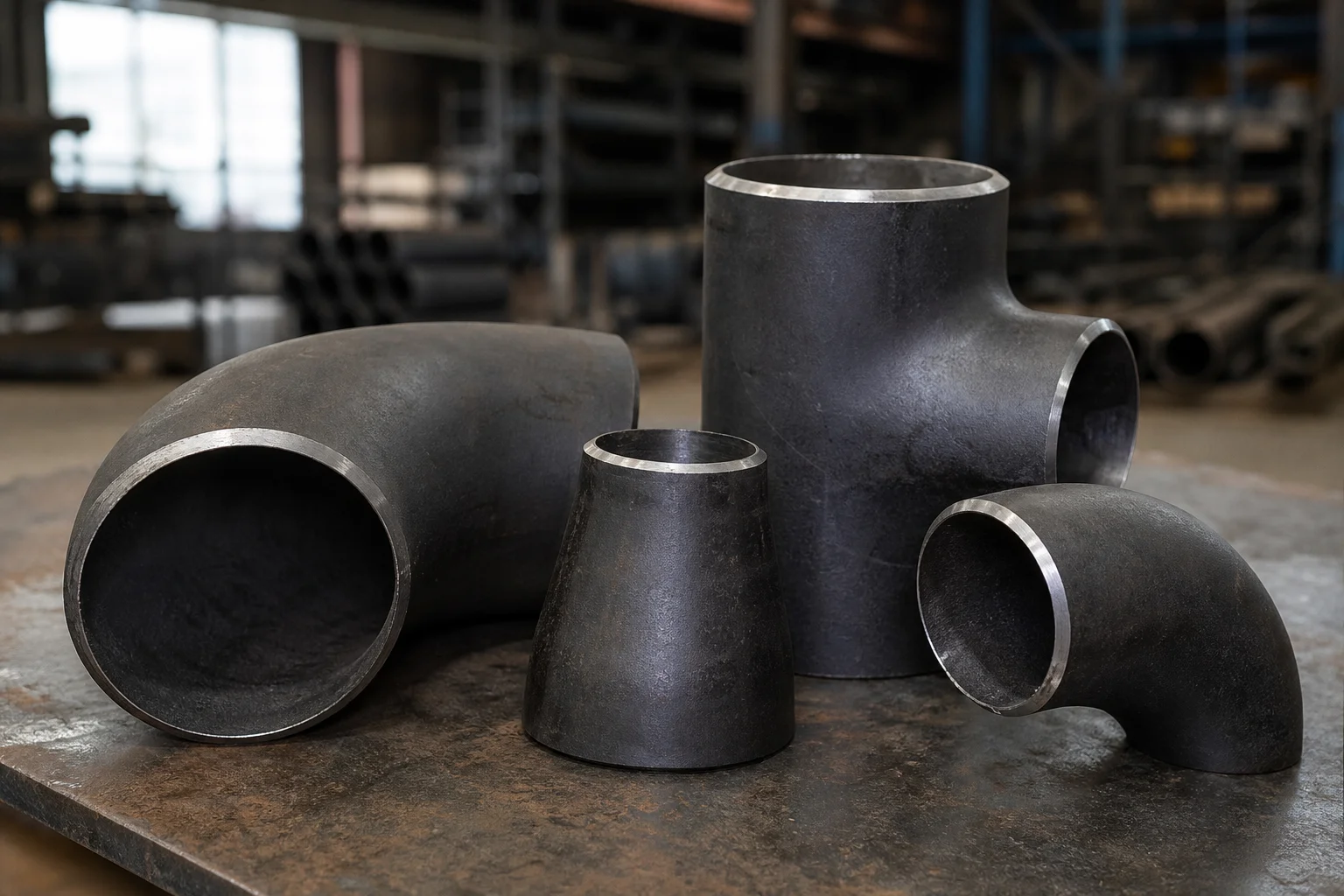
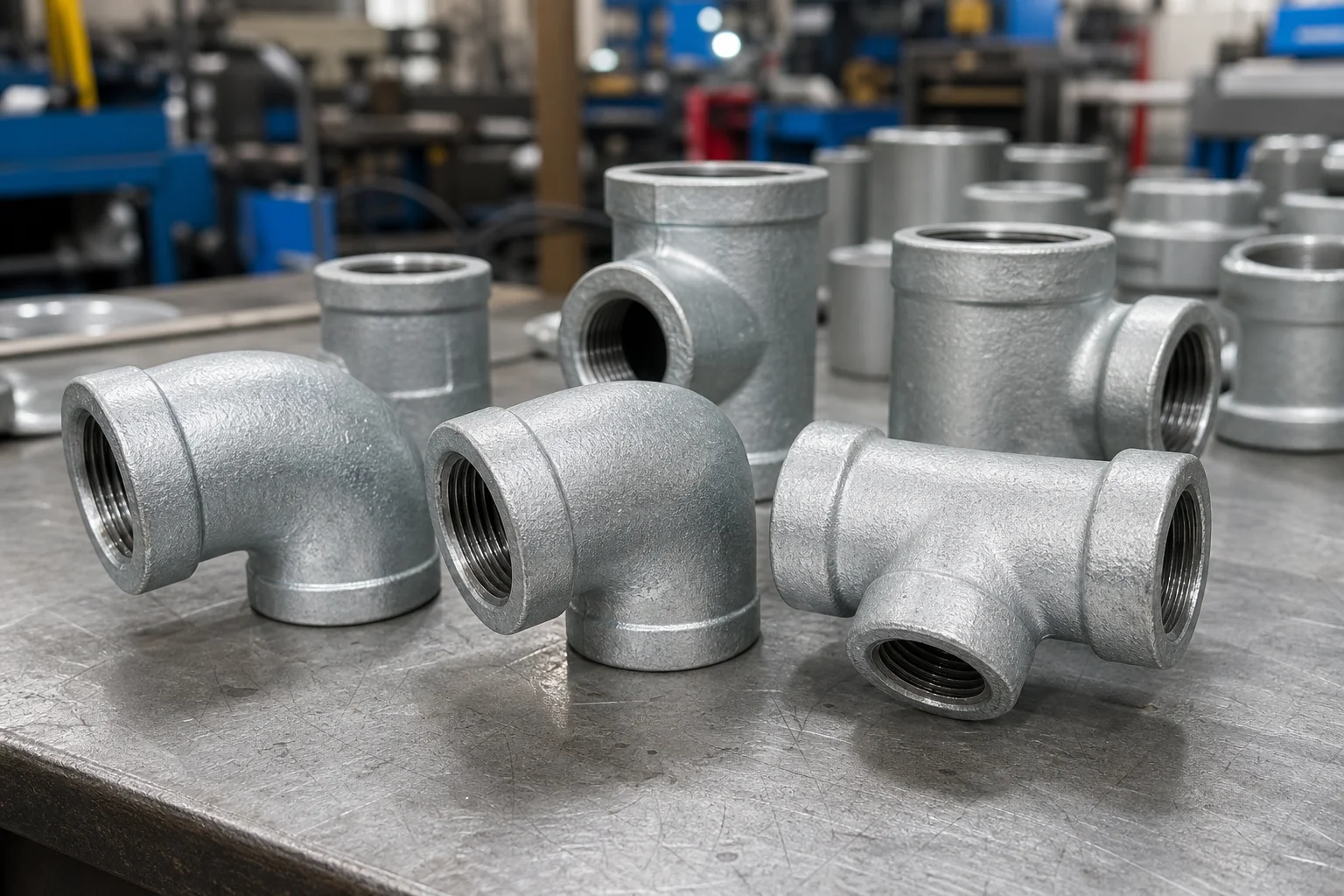
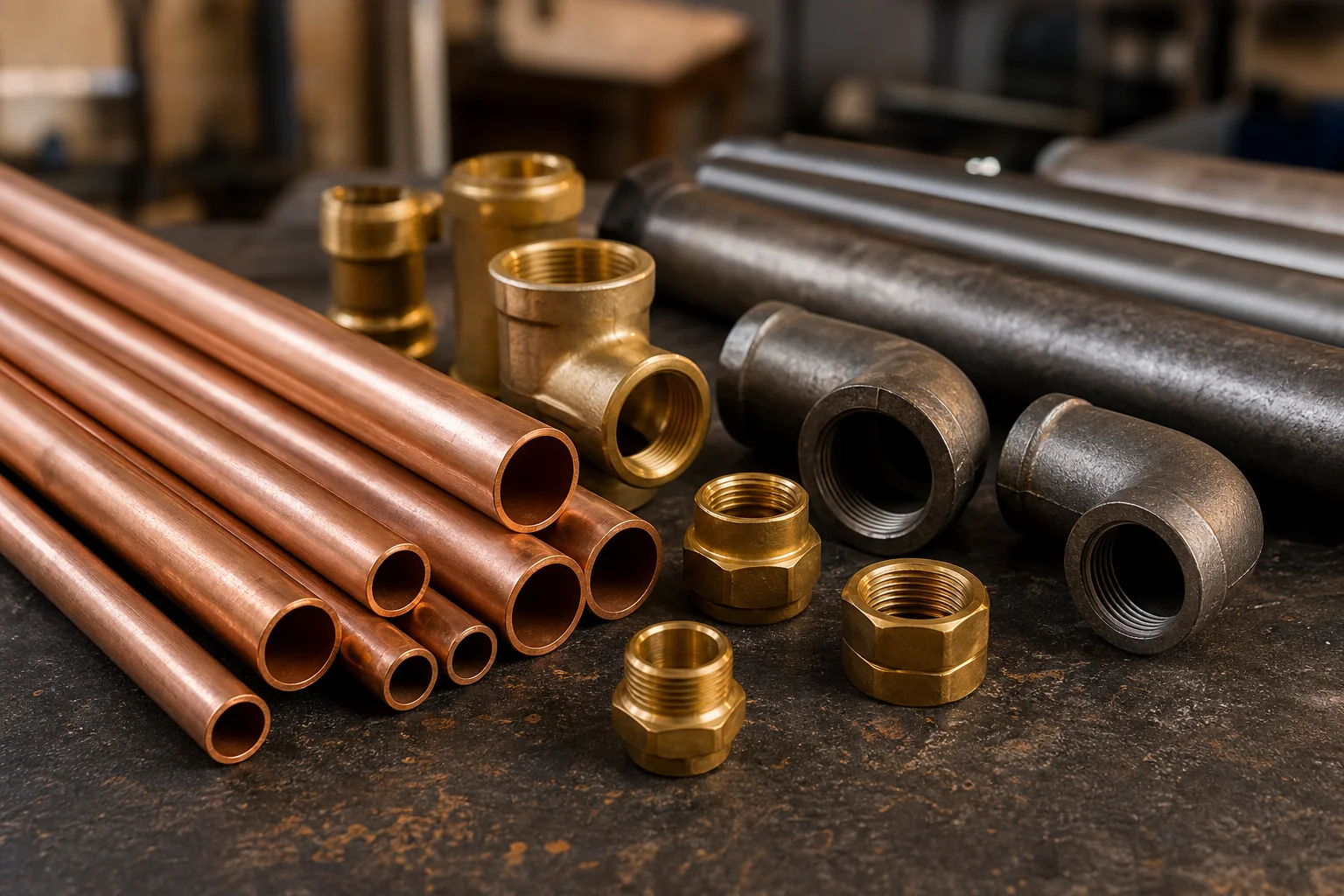
Metal plumbing pipes and fittings include carbon steel, galvanized steel, stainless steel, copper, brass, bronze, and other metallic systems used for water, air, gas, heating, drainage, fire protection, and building services.
Material selection should consider water chemistry, corrosion, temperature, pressure, hygiene, joining method, local code, maintenance, and compatibility with connected valves and equipment.
Why It Matters for Pipe Components
Different metals behave differently in service. Galvanized steel relies on zinc protection. Stainless steel depends on grade and surface condition. Copper is easy to form and join but may be affected by specific water chemistry and velocity. Brass and bronze are common for valves and adapters but must use a suitable composition.
Dissimilar-metal connections may create galvanic corrosion when moisture and electrical continuity are present. Supporting, insulating, and joint design can be as important as the fitting itself.
Methods, Parameters, or Process
Compare candidate materials and connections.
| Material | Typical strengths | Key checks |
|---|---|---|
| Carbon steel | Strength, availability, weldability | Corrosion protection, water quality |
| Galvanized steel | Zinc protection, threaded systems | Coating quality, thread fit, temperature |
| Stainless steel | Corrosion resistance, cleanliness | Grade, chloride exposure, contamination |
| Copper | Formability, thermal conductivity | Water chemistry, erosion, joint method |
| Brass or bronze | Valves, adapters, threaded fittings | Alloy composition, dezincification risk |
| Ductile or malleable iron | Mechanical and threaded systems | Coating, rating, approved service |
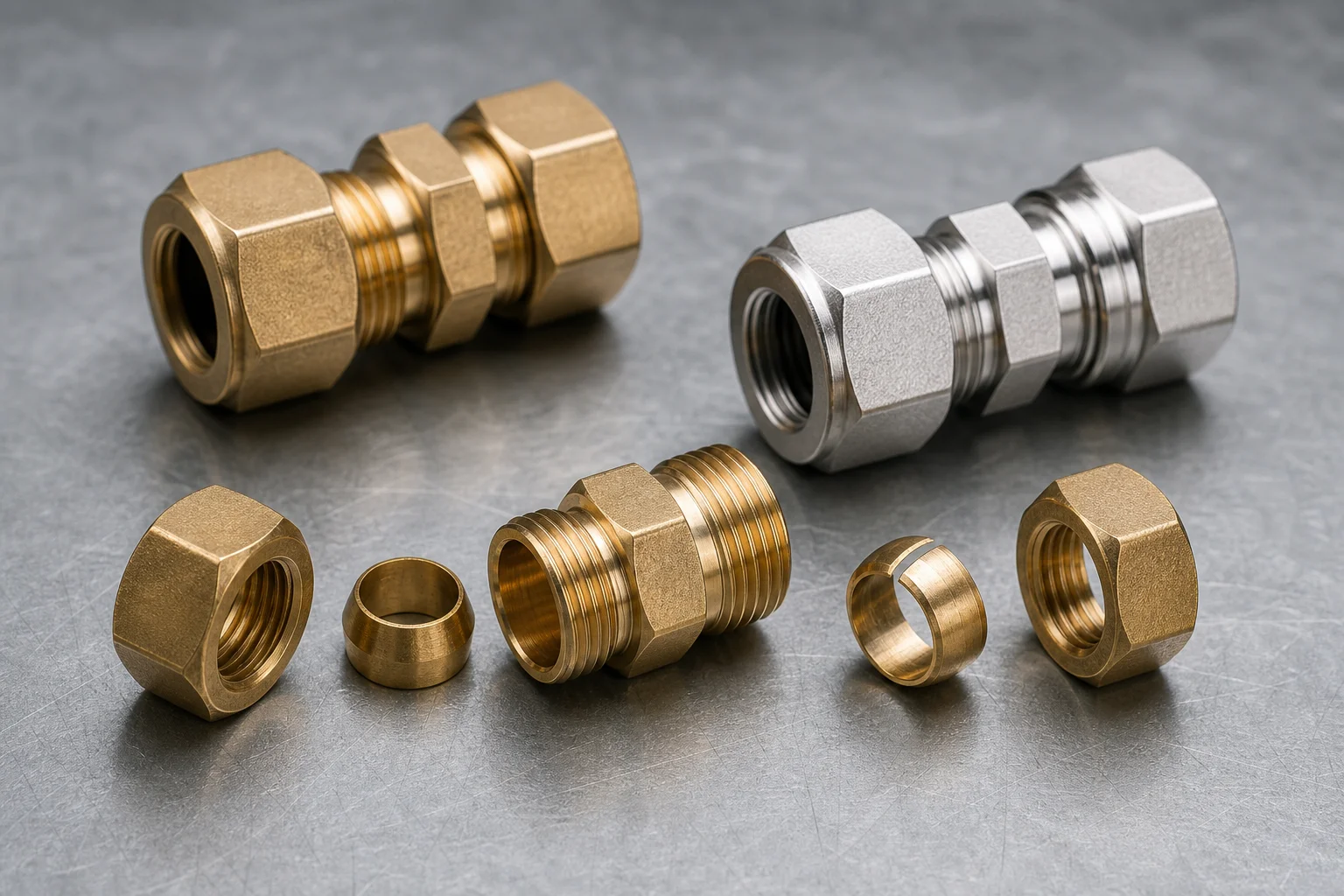
Connection methods include welding, threading, brazing, soldering, pressing, compression, grooved couplings, and flanges. The joining process must be compatible with the material and service.
For potable or hygienic applications, verify local material approvals and limitations. For gas service, use components and sealants approved for the gas and code.
Supplier and Inspection Checklist
- Confirm approved material and grade.
- Define pipe or tube dimensions and wall.
- Verify fitting standard and pressure rating.
- Match joining method to material.
- Review corrosion protection and coating.
- Check thread, press, groove, or compression compatibility.
- Consider dissimilar-metal isolation.
- Verify valve and fixture connection standards.
- Inspect internal cleanliness for water service.
- Review certificates and local approvals where required.
- Protect machined and sealing surfaces.
- Use packaging that prevents moisture damage and cross-contamination.
Application to Pipe Fittings, Valves, and Flanges
Building-service systems combine pipe, fittings, valves, strainers, meters, pumps, and equipment connections. Material transitions are common at valves and equipment nozzles. The design should specify approved adapters and dielectric isolation where necessary.
Flanges may be used for larger equipment, while unions, press fittings, or compression connections support smaller removable joints. All components should have compatible pressure and temperature ratings.
FAQ
Which metal is best for plumbing?
There is no universal best choice. The correct material depends on fluid, water chemistry, temperature, pressure, corrosion risk, code, and budget.
Can galvanized and copper pipe be connected?
A direct connection may create galvanic corrosion. An approved transition or dielectric isolation method may be required.
Are stainless steel fittings suitable for potable water?
They can be, but grade, surface condition, water chemistry, and local approvals should be checked.
What is the difference between plumbing fittings and industrial fittings?
Plumbing fittings often target building services and local codes, while industrial fittings may use process-piping standards, higher classes, stricter traceability, and more extensive inspection.
Next Steps
Define fluid, pressure, temperature, pipe material, size, joining method, corrosion environment, approvals, and quantity. Ask the supplier to confirm full compatibility with valves, equipment, and transition fittings.
Request a Quote