
Overview
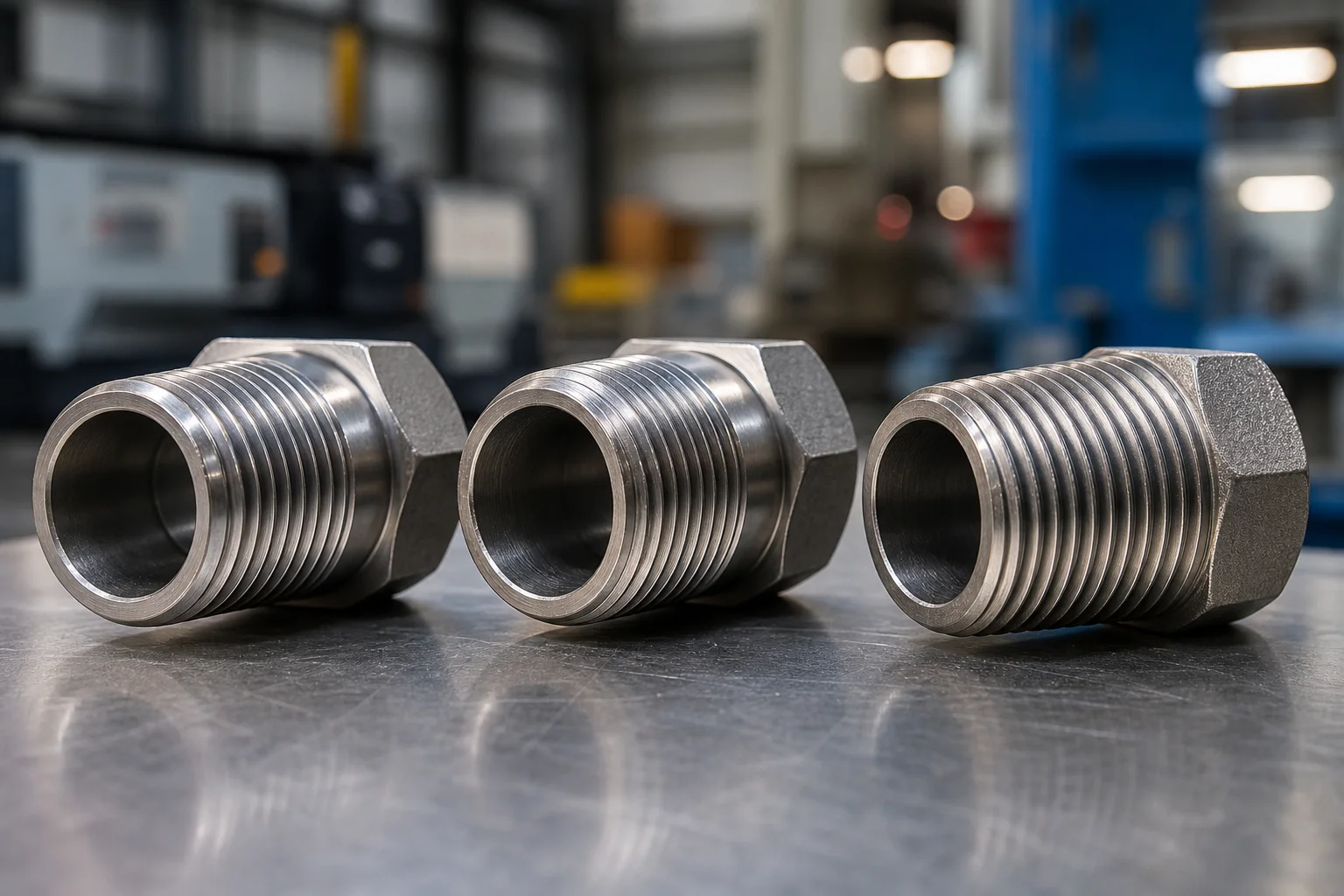
NPT and NPTF are both tapered pipe thread types used in industrial connections. NPT is a general tapered pipe thread. NPTF is often described as a dryseal thread because it is designed for tighter thread crest and root contact. In real projects, the final sealing method still depends on the component, service condition, installation practice, and project specification.
For buyers, the safest rule is: do not substitute NPT and NPTF unless the engineering specification allows it.
Why It Matters for Pipe Components
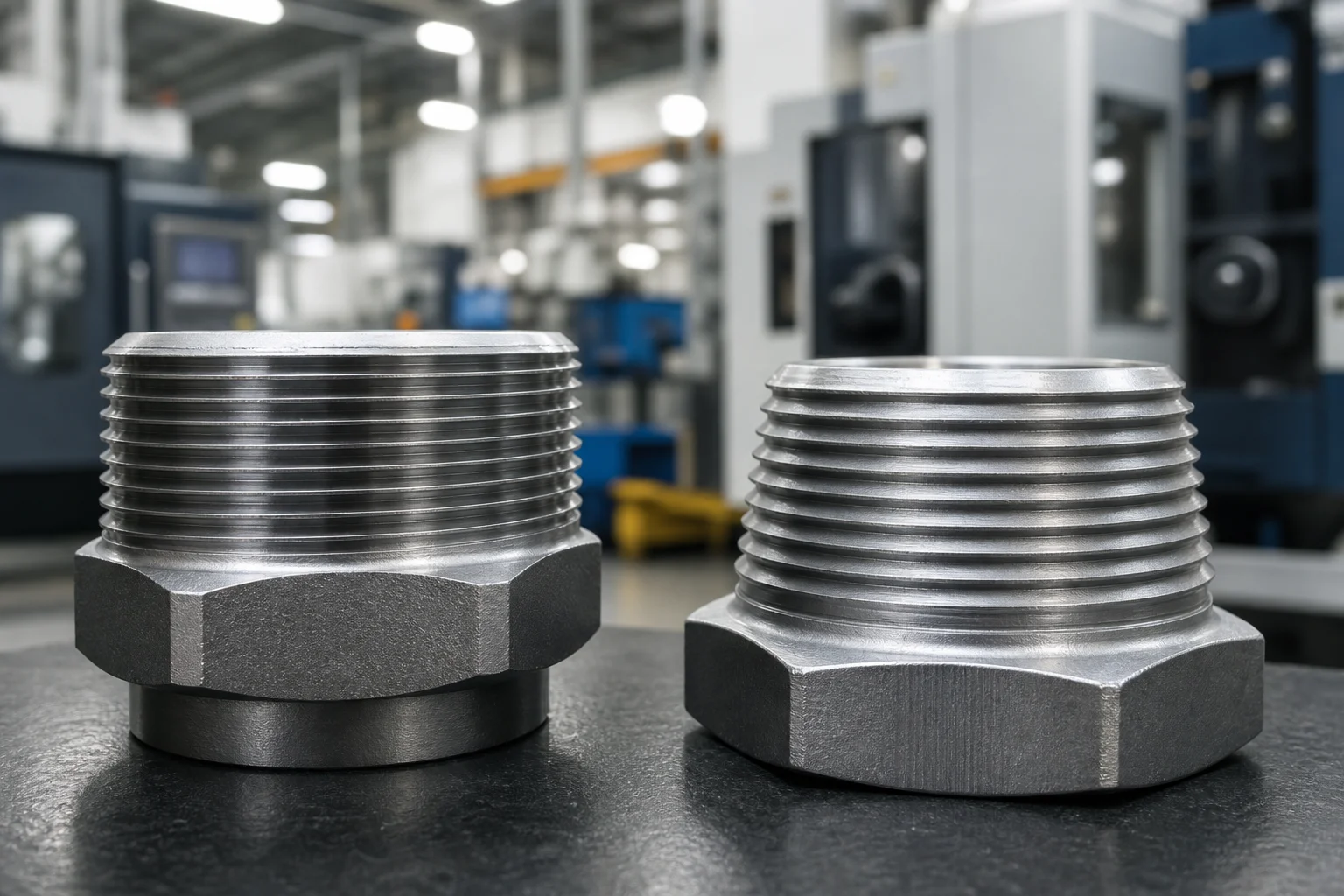
Threaded fittings, valves, and forged components can fail if the thread type is wrong. Even small thread differences can affect sealing, torque, reusability, and inspection. This is especially important in compressed air, hydraulic, fuel gas, steam, and instrumentation systems.
NPT and NPTF products may look similar on a product photo. If the buyer does not specify the thread form, the supplier may quote a standard NPT item while the site requires NPTF. That can delay installation or require replacement.
Methods, Parameters, or Process
A reliable specification process should include thread type confirmation.
| Question | Why it matters |
|---|---|
| Is the required thread NPT or NPTF? | Determines machining and inspection requirement |
| Is the thread male or female? | Affects product type and connection compatibility |
| What is the service fluid? | Influences sealing method and inspection |
| Is sealant allowed? | Some systems restrict sealant type |
| What standard or project spec applies? | Prevents substitution errors |
Buyers should also confirm whether the item is a fitting, plug, nipple, valve, or flange. The thread requirement should be written on the purchase order and drawing, not only mentioned in email text.
Supplier and Inspection Checklist
- Confirm NPT or NPTF before machining.
- Use correct thread gauges if required by inspection plan.
- Check male/female thread orientation.
- Confirm material grade and pressure rating.
- Check marking and packaging to avoid mixing thread types.
- Ask whether sealant or tape is allowed in the project.
- Keep MTC and inspection records for traceability.
Application to Pipe Fittings, Valves, and Flanges
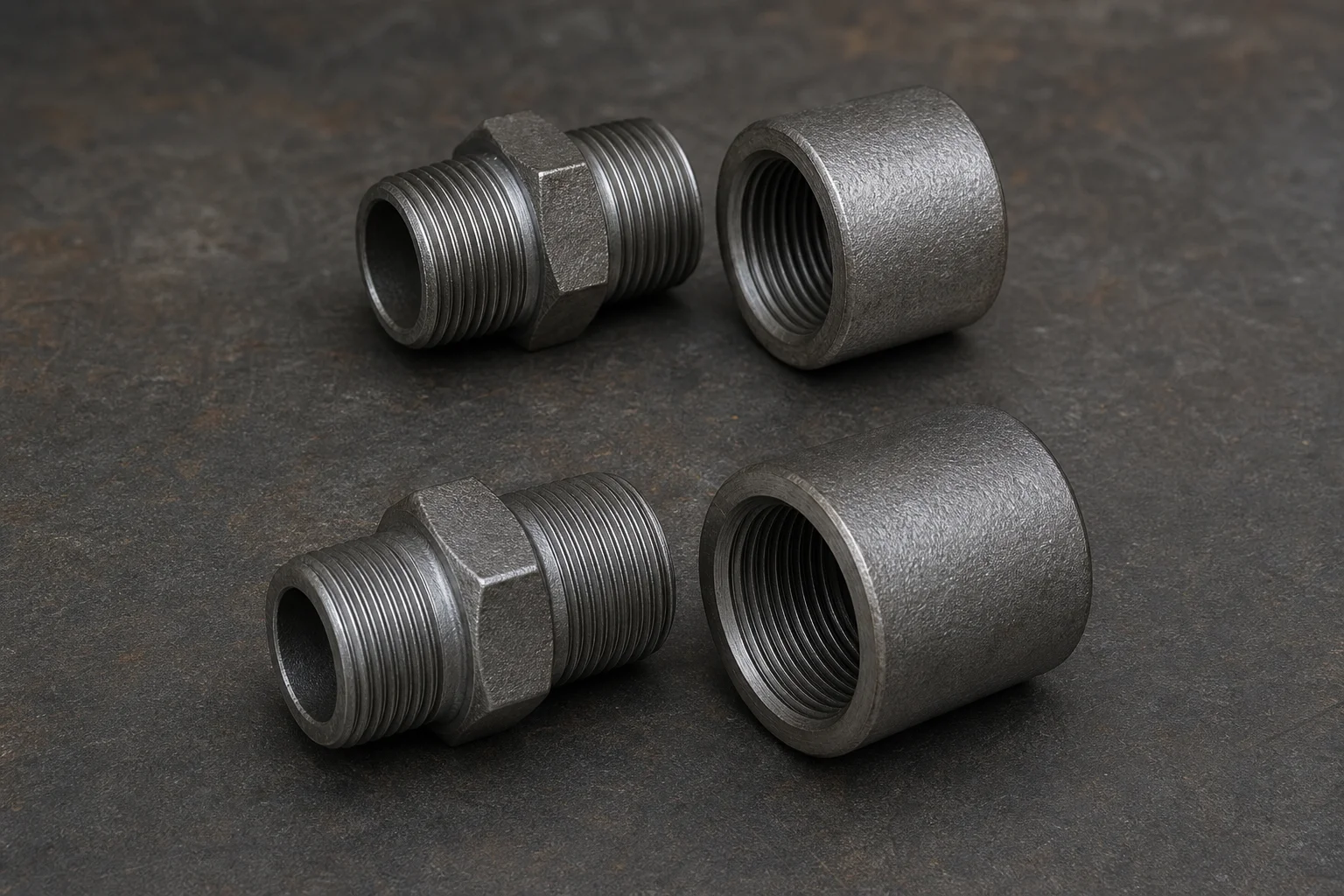
NPT and NPTF may appear in threaded elbows, tees, couplings, plugs, nipples, and valve ports. For flanges, threaded flanges may use NPT-type threads in some markets, but the project standard should be confirmed before supply.
This topic also supports a broader threaded connection content cluster. It can link to NPT vs BSP, MPT/MNPT/FNPT explanations, socket weld connections, and forged fittings.
FAQ
What is the difference between NPT and NPTF?
Both are tapered pipe threads, but NPTF is designed for dryseal-style thread contact. The project specification should decide which one is acceptable.
Can NPT and NPTF be mixed?
Do not assume they are interchangeable. Some applications may allow certain combinations, but this should be confirmed by engineering or project specification.
Does NPTF always need no sealant?
Not always. Installation practice depends on the service, component condition, and project requirements.
What should be included in the RFQ?
State product type, thread type, male/female, size, material, pressure rating, quantity, and inspection requirements.
Next Steps
Send your threaded fitting or valve specification with NPT or NPTF clearly marked. Nuoan can help check thread requirements and prepare a quotation for matching pipe fittings, valves, and flanges.
Request a Quote