
Overview
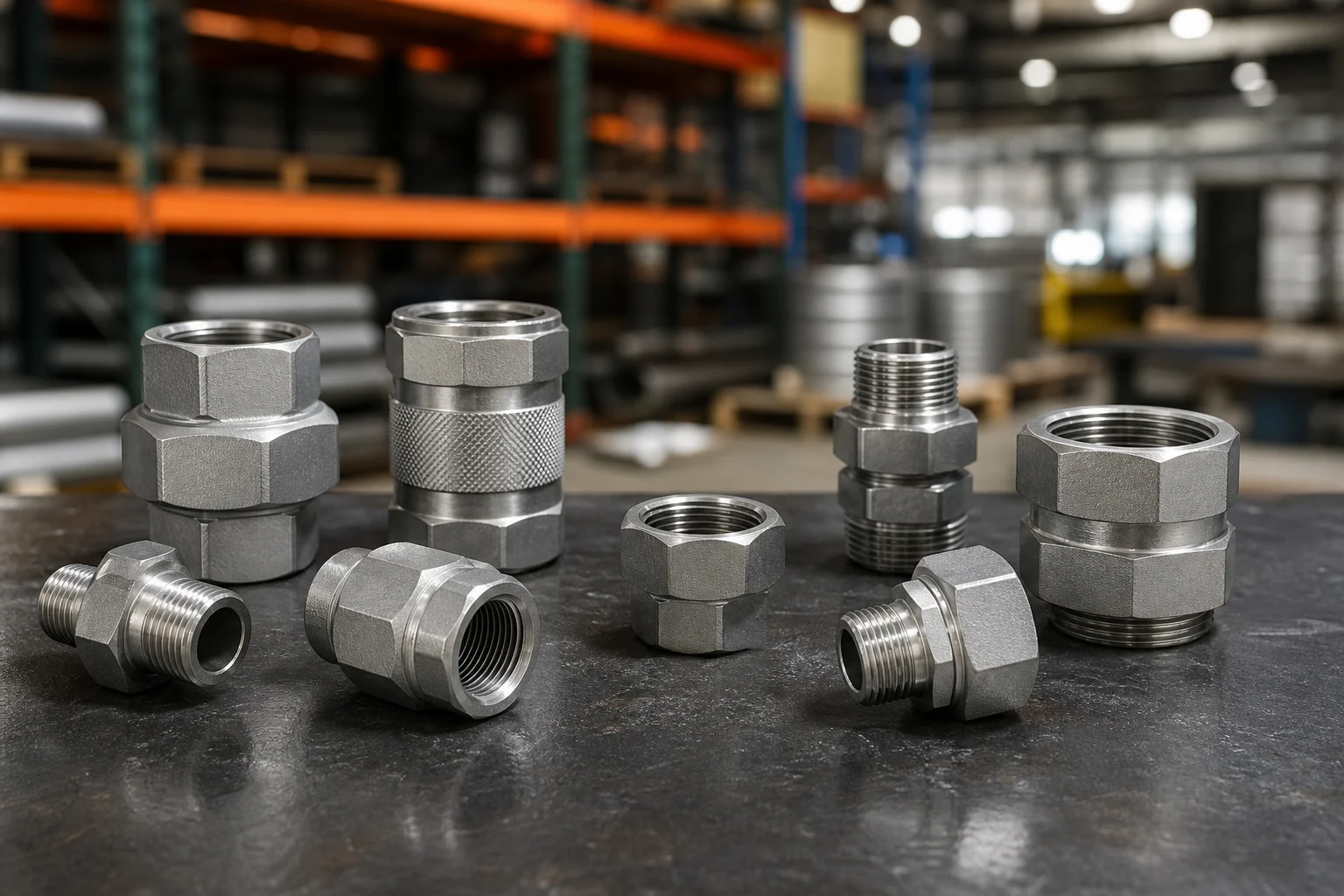
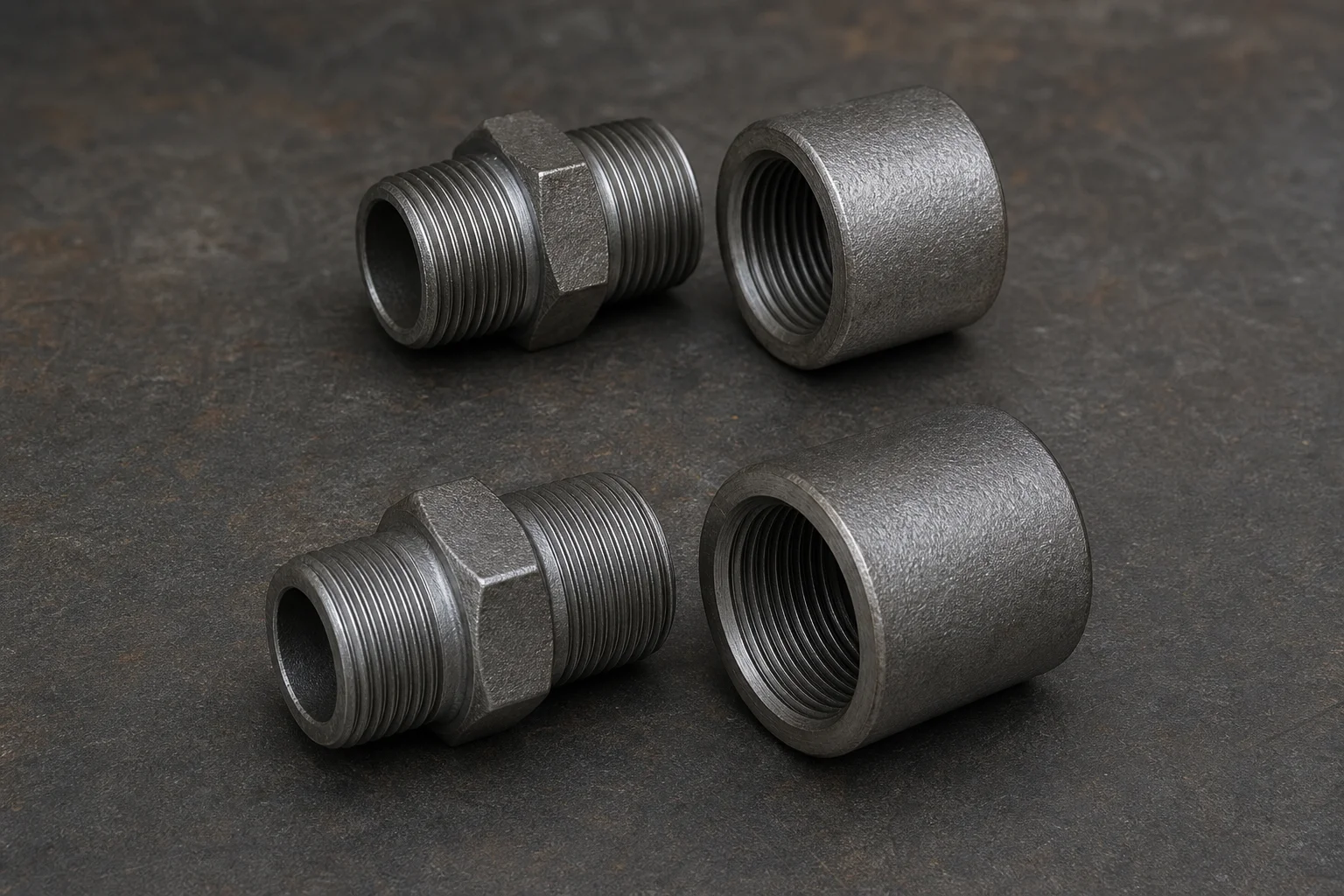
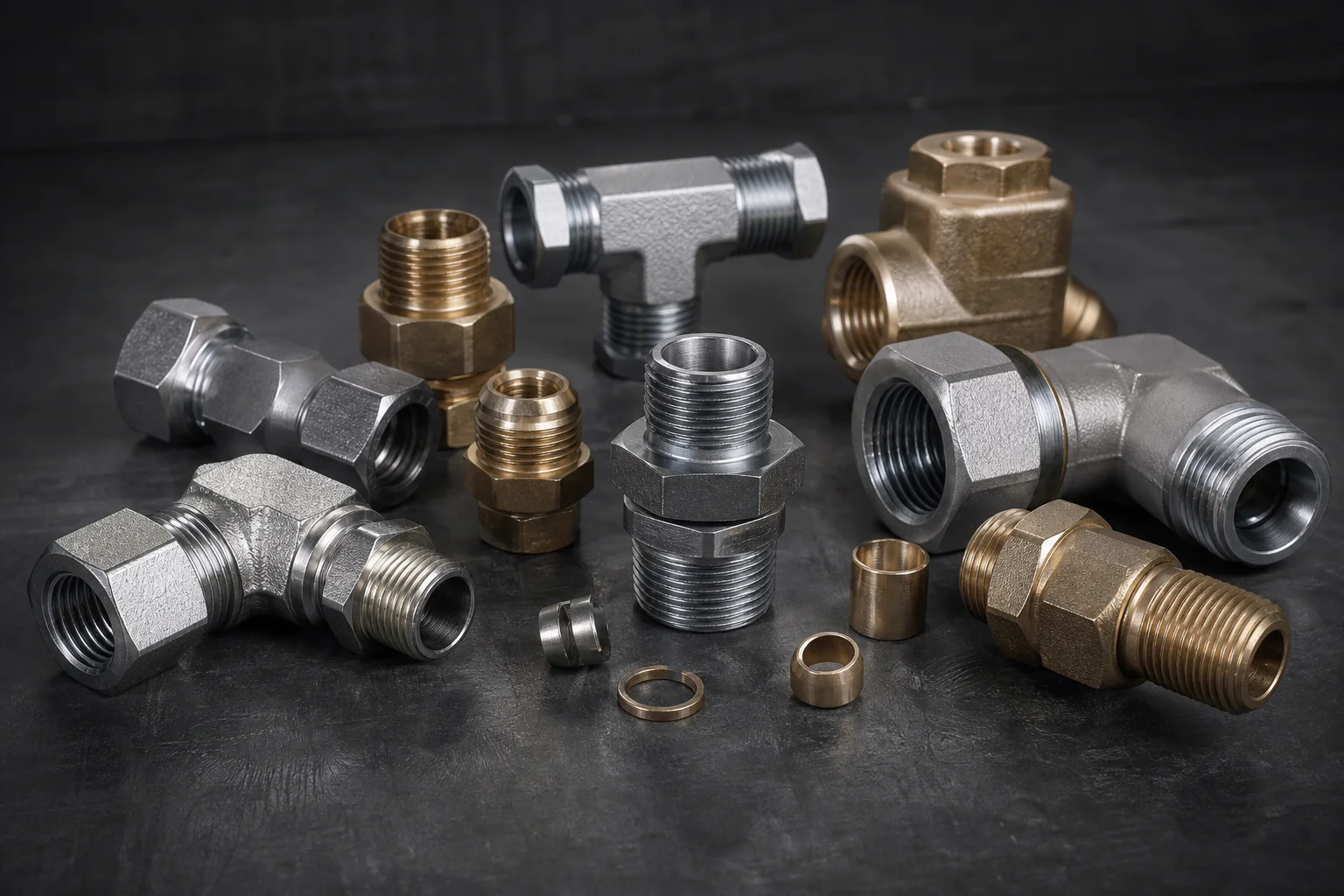
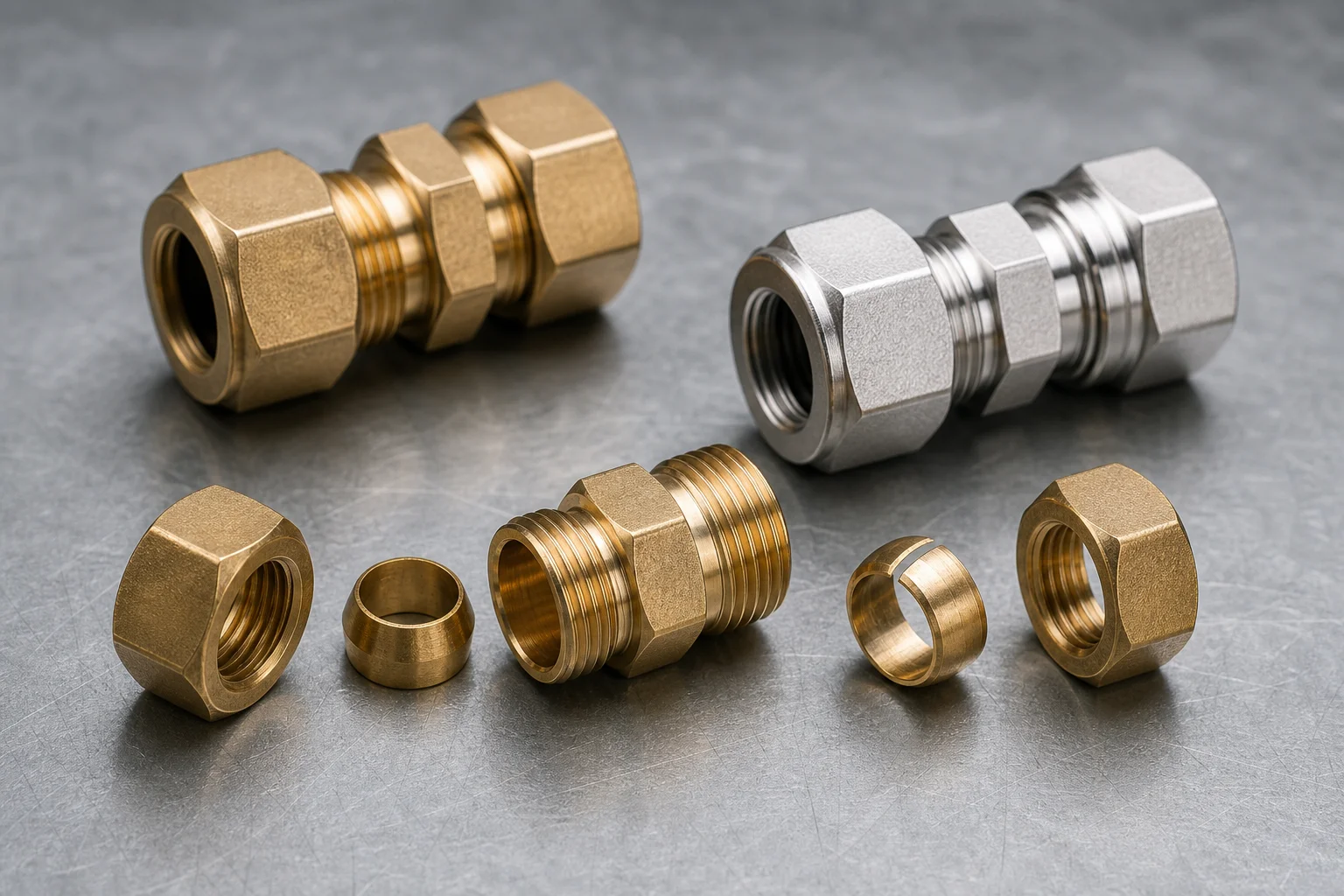
A pipe compression fitting creates a mechanical seal by tightening a nut that compresses a ferrule, ring, gasket, or sleeve around the pipe or tube. Compression systems are used in instrumentation, hydraulics, plumbing, gas, refrigeration, utilities, and selected process applications.
Correct sizing is essential. Many compression fittings are designed for actual tube outside diameter rather than nominal pipe size. The pipe or tube material, wall thickness, hardness, surface condition, pressure, and temperature must match the fitting design.
Why It Matters for Pipe Components
Compression connections can reduce welding and simplify installation, but they depend on controlled component compatibility and assembly. A fitting may leak if the tube is undersized, scratched, oval, too hard for the ferrule, or inserted incorrectly. Over-tightening can damage the ferrule or body, while under-tightening may prevent a reliable seal.
Mixing nuts, ferrules, and bodies from different systems is risky even when parts look similar. The complete fitting assembly should be treated as one engineered connection.
Methods, Parameters, or Process
Compression fittings vary by sealing principle.
| Design | Typical sealing method | Common use |
|---|---|---|
| Single ferrule | One ferrule grips and seals | General tube systems |
| Double ferrule | Front ferrule seals, back ferrule grips | Instrument and high-integrity tubing |
| Olive or ring | Deformable ring compresses around tube | Plumbing and utility systems |
| Elastomer seal | Gasket or O-ring provides seal | Water and mechanical systems |
| Bite ring | Metal ring bites into tube surface | Hydraulic tubing |
| Grip coupling | Gasket plus mechanical restraint | Pipe repair and utility connection |
Specify actual outside diameter, wall thickness, material, and condition of the connected pipe or tube. Confirm whether support sleeves are required for soft or thin-wall materials.
Installation should follow the fitting manufacturer's procedure, including insertion depth, nut turns, torque, gap inspection, or gauge check.
Supplier and Inspection Checklist
- Confirm whether the product is for pipe or tube.
- State actual outside diameter and wall thickness.
- Verify material and hardness limits.
- Use compatible nuts, ferrules, rings, and bodies.
- Inspect sealing surfaces and ferrule condition.
- Check the pipe or tube for scratches, dents, and ovality.
- Confirm insertion depth and assembly method.
- Use approved tools and torque values.
- Review pressure and temperature rating.
- Verify seal material compatibility.
- Define leak or pressure testing.
- Protect internal surfaces and components from contamination.
Application to Pipe Fittings, Valves, and Flanges
Compression fittings connect tubing and small pipe to valves, instruments, manifolds, cylinders, and equipment. Adapters may transition from compression ends to NPT, BSP, weld, or flanged connections.
When a compression fitting is installed near a valve or equipment nozzle, provide enough straight length for insertion and wrench access. Avoid side load and vibration that can stress the joint.
FAQ
Are compression fittings reusable?
Some designs allow limited remake or reuse, while others require new ferrules or seals. Follow the specific system instructions.
Can compression fittings be mixed between manufacturers?
Mixing components is generally not recommended because dimensions, materials, and ferrule geometry may differ.
Do compression fittings require thread seal tape?
The nut thread usually provides compression rather than sealing, so tape is normally not applied there. Transition pipe threads may require a separate approved sealing method.
What causes a compression fitting to leak?
Common causes include wrong size, damaged tube, incomplete insertion, incorrect assembly, reused ferrules, mixed components, unsuitable material hardness, or excessive vibration.
Next Steps
Provide the supplier with actual OD, wall thickness, pipe or tube material, fitting type, end connections, pressure, temperature, fluid, seal material, quantity, and test requirement. Request installation instructions with the quotation.
Request a Quote