
Overview
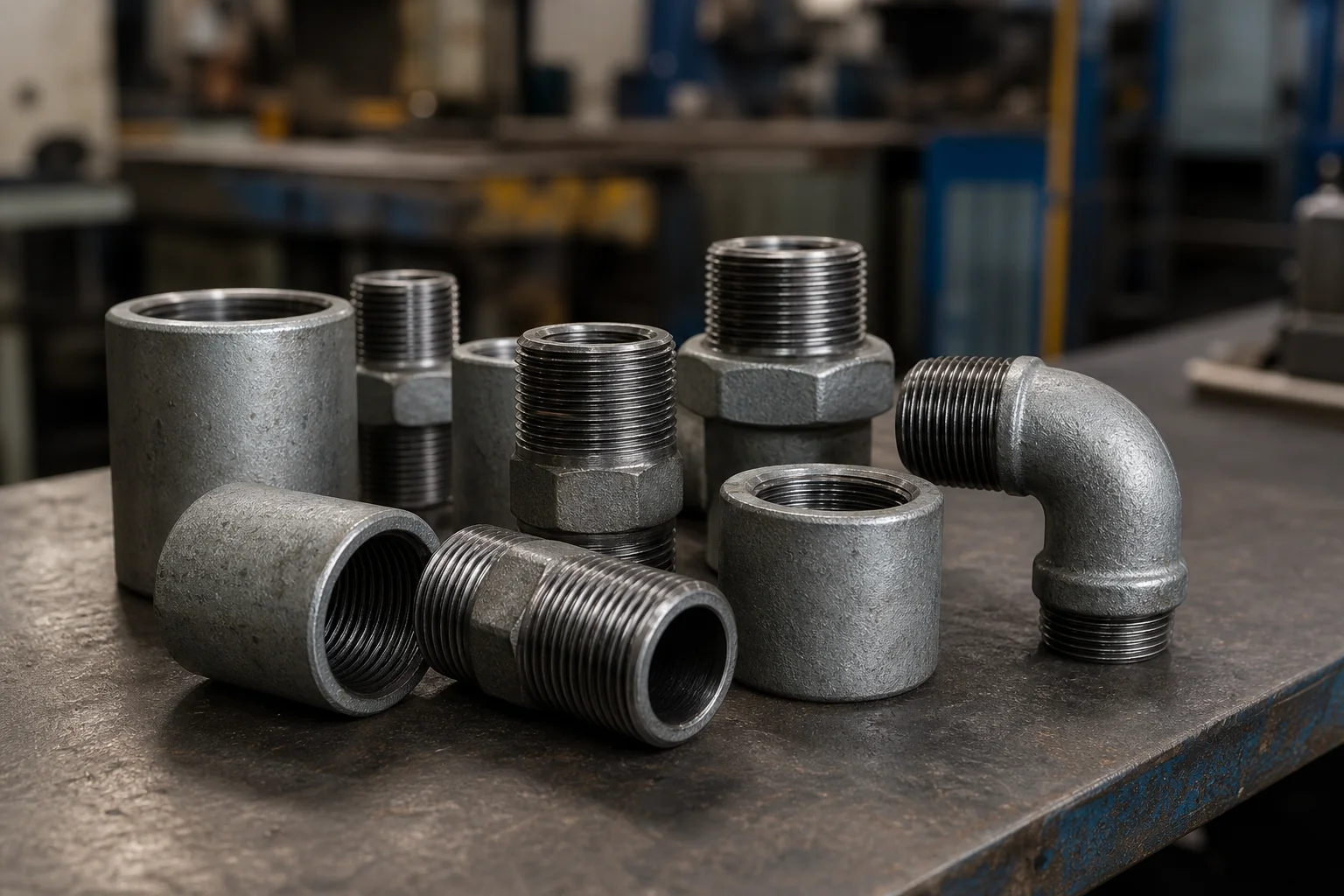
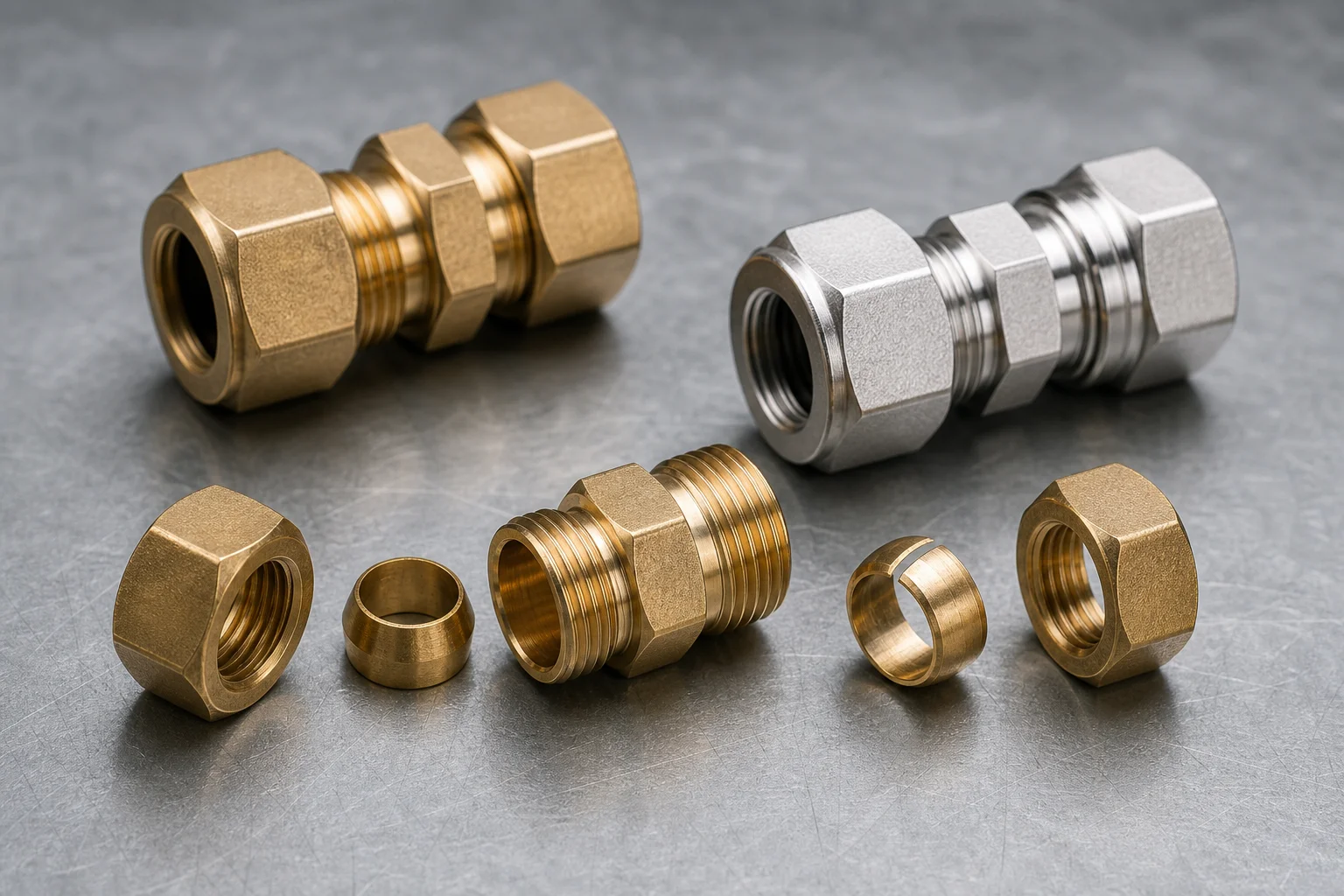
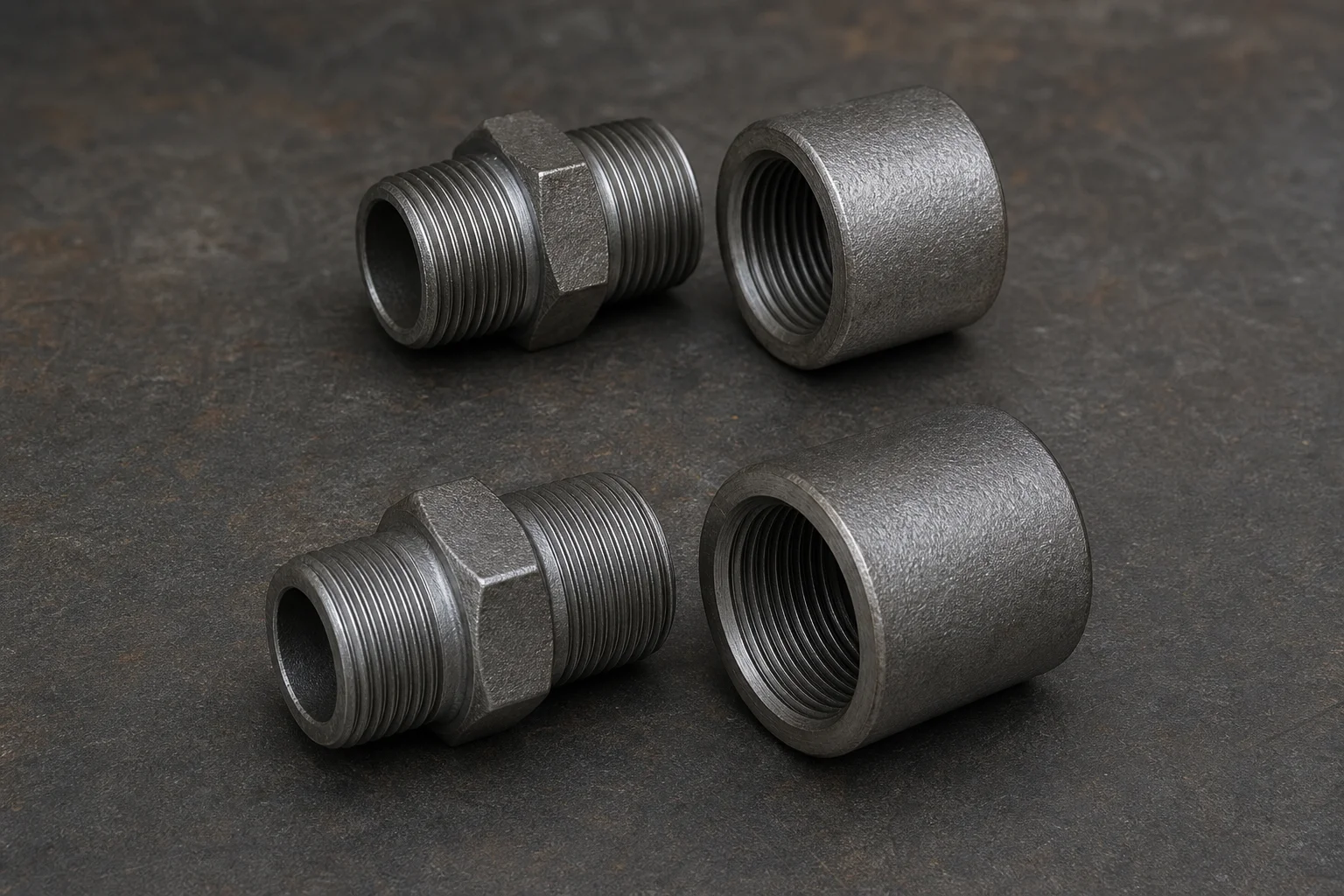
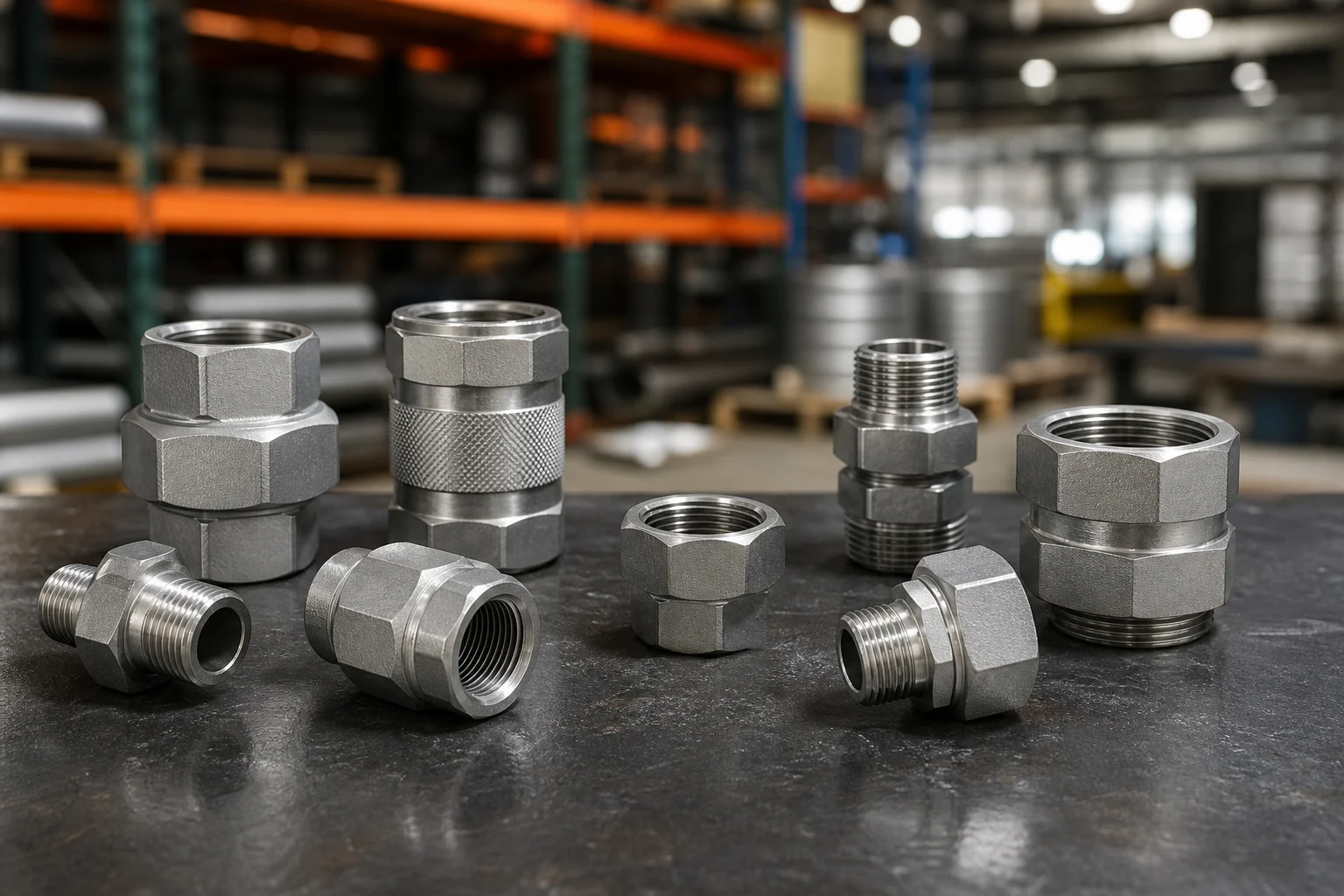
Pipe connector fittings join pipe to pipe, pipe to tube, pipe to valve, or pipe to equipment. Connector designs include butt-weld fittings, socket-weld fittings, threaded couplings and adapters, compression fittings, unions, flanges, grooved couplings, and other mechanical connections.
The correct connector is determined by pressure, temperature, fluid, pipe dimensions, material, installation method, maintenance needs, and the governing piping specification.
Why It Matters for Pipe Components
Connection failures are a common source of leakage and rework. Problems often come from incompatible dimensions rather than from visibly defective products. Examples include matching a tube fitting to nominal pipe, using the wrong thread form, joining different flange standards, or connecting components with mismatched schedules and bores.
Connector selection also affects installation time. Welded connections offer continuity but require qualified welding and inspection. Threaded and compression systems can be faster but need precise compatibility. Flanged and union connections support maintenance but add space, weight, and potential leak paths.
Methods, Parameters, or Process
Compare connection methods before selecting a connector.
| Connection method | Strengths | Main controls |
|---|---|---|
| Butt weld | Strong, continuous, suitable for many process services | Bevel, wall, bore, welding procedure, NDT |
| Socket weld | Compact for small-bore high-pressure lines | Socket depth, gap, fillet weld, class |
| Threaded | Easy assembly without butt welding | Thread form, engagement, seal method |
| Compression | Fast, clean, suitable for tube and selected pipe systems | OD, wall, ferrule, surface hardness |
| Flanged | Removable and suitable for equipment connections | Standard, class, facing, gasket, bolting |
| Grooved | Rapid mechanical installation | Groove profile, gasket, coupling rating |
| Union | Removable small-bore connection | End type, seat design, material |
| Adapter | Transitions between systems | Exact definition of both ends |
A connector specification should describe each end independently. For example:
> Adapter, NPS 1/2 male NPT × 12 mm tube compression, 316 stainless steel, rated for the specified design pressure and temperature.
For dissimilar materials, review corrosion compatibility and whether an insulating element is required.
Supplier and Inspection Checklist
- Identify pipe, tube, valve, or equipment connection on each end.
- State actual OD where tube or compression systems are used.
- Define thread, flange, groove, socket, or weld-end standard.
- Confirm material compatibility and corrosion allowance.
- Verify pressure and temperature rating of the complete connector.
- Review dimensional drawings for mixed-end adapters.
- Check bore alignment and flow restriction.
- Inspect sealing surfaces, ferrules, seats, threads, and gasket grooves.
- Verify coatings do not interfere with fit.
- Confirm assembly tools and procedures are available at site.
- Define leak or pressure test requirements.
- Protect sealing surfaces and threads during packing.
Application to Pipe Fittings, Valves, and Flanges
Connector fittings provide the transition points between fittings, valves, flanges, instruments, and equipment. A valve may have butt-weld ends on one side and a threaded instrument connection on the body. A flanged nozzle may connect to a smaller drain through a threaded or socket-weld branch fitting. Instrument systems may transition from process pipe to small-bore tube.
These interfaces should be reviewed as a system so that every mating dimension and sealing method is controlled.
FAQ
What is the difference between a pipe connector and a pipe coupling?
A coupling is one type of connector, normally joining two similar ends. The term connector is broader and includes adapters, unions, flanges, and transition fittings.
Can pipe and tube fittings be connected directly?
Only with a purpose-designed adapter. Pipe and tube use different sizing conventions, so nominal size should not be assumed to equal actual outside diameter.
Which connector is best for maintenance?
Flanges and unions are common where repeated dismantling is expected. Compression fittings are also useful for instrument tubing when installed correctly.
What information is needed for a custom adapter?
Provide a dimensioned drawing showing both end standards, sizes, sealing surfaces, material, pressure, temperature, bore, length, and orientation.
Next Steps
Map every connection in the piping system and record both mating ends. Use a connection schedule for adapters and transitions, and require drawings for any mixed-standard or custom connector.
Request a Quote