Overview
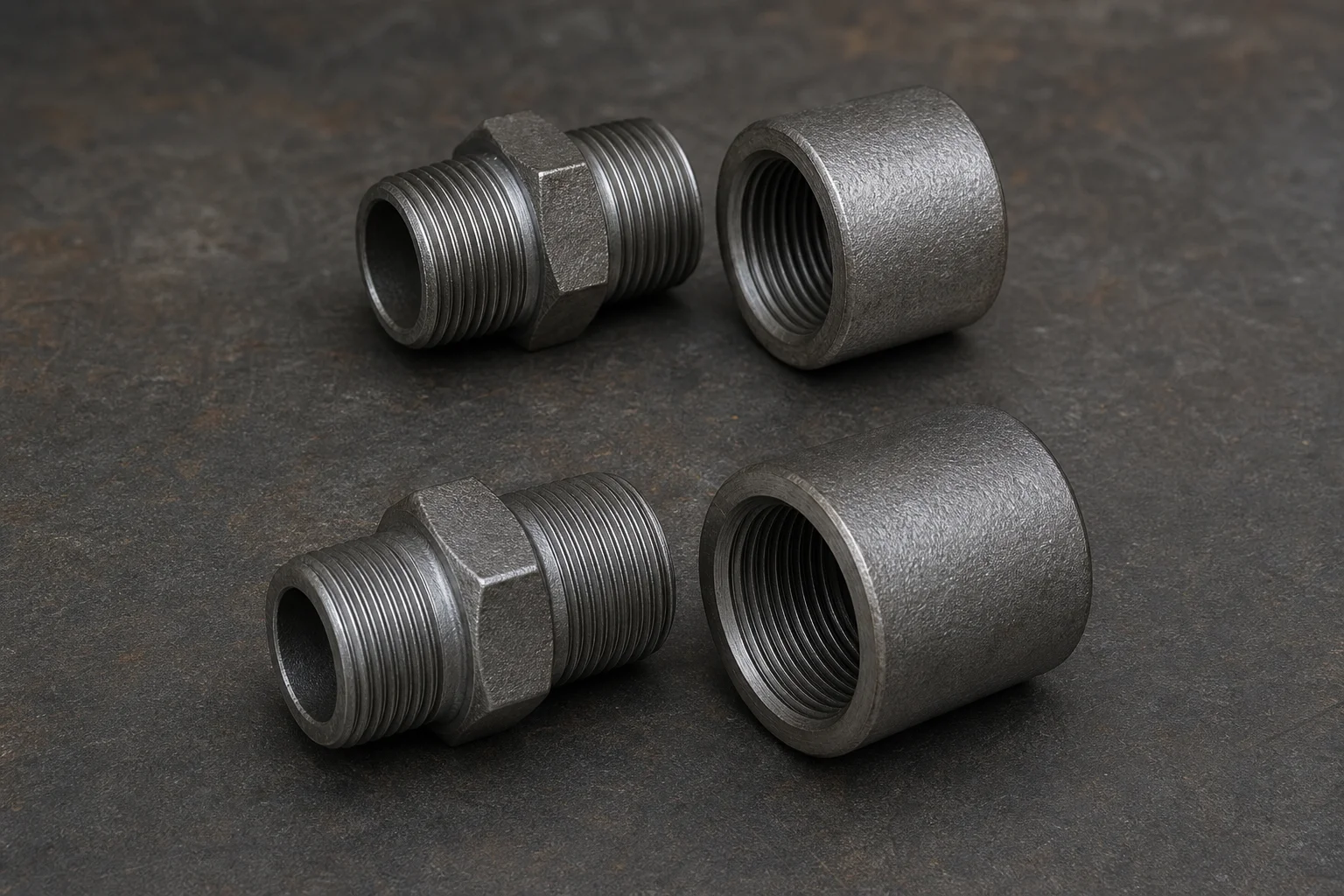
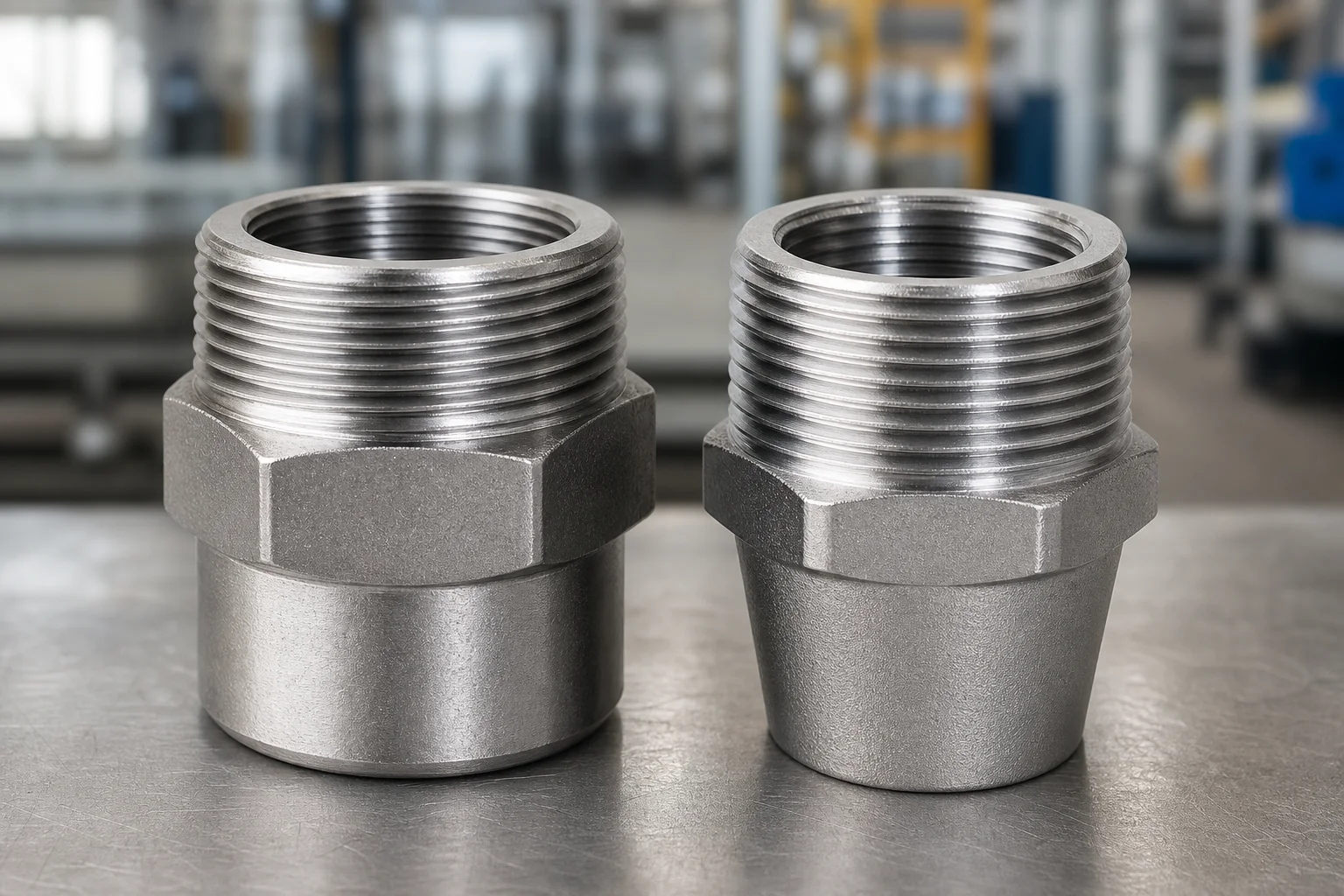
Pipe thread engagement is the axial and rotational engagement between compatible male and female threads before and after final assembly. It is influenced by thread type, taper, pitch, diameter, truncation, coating, sealant, material, and manufacturing tolerance. A fixed number of turns is not a universal acceptance rule for every pipe thread.
For NPT and other tapered systems, inspectors often distinguish hand-tight engagement from wrench-tight assembly and use standard-specific gauges to verify functional size. For parallel threads, the joint may bottom against a washer, O-ring, shoulder, or seat instead of sealing by thread interference.
Why It Matters for Pipe Components
Too little engagement can reduce load capacity and leave an inadequate sealing path. Excessive engagement can indicate undersized male threads, oversized female threads, damaged threads, or over-tightening. Brittle cast fittings and thin valve ports may crack before an installer notices abnormal resistance.
Turn count also changes with sealant type, surface finish, coating thickness, and the starting position of the thread. A production fitting should not be used as the only inspection gauge because both mating parts may be outside tolerance in a direction that appears to fit.
Correct engagement is therefore a combination of dimensional conformity and controlled assembly. Leak testing remains necessary because a gauge does not evaluate every surface defect, sealant condition, or service effect.
Methods, Parameters, or Process
Evaluate engagement in three stages: identify the thread, verify the manufactured thread, and control final assembly.
| Stage | Question | Control |
|---|---|---|
| Identification | Are both parts the same thread system and nominal size? | Drawing, marking, pitch, taper, and profile check |
| Manufacturing inspection | Are functional dimensions within limits? | Correct calibrated plug or ring gauge |
| Hand assembly | Where does clean hand-tight engagement stop? | Procedure-defined reference, not forced assembly |
| Final tightening | What additional rotation or torque is permitted? | Manufacturer or project assembly procedure |
| Sealant | Does the product suit the thread and service? | Approved data sheet and application instructions |
| Leak test | Does the completed joint meet the test requirement? | Approved pressure or leakage procedure |
| Documentation | Can abnormal engagement be traced? | Gauge ID, operator, result, joint number, corrective action |
Supplier and Inspection Checklist
- Confirm thread designation, nominal size, gender, taper or parallel form, and standard.
- Clean threads before gauging or trial assembly.
- Use a calibrated gauge designed for the exact thread family.
- Inspect starts, crests, roots, burrs, chatter, tears, and coating buildup.
- Do not use a production mating part as the sole dimensional gauge.
- Record hand-tight position only when the approved procedure uses it.
- Apply the specified sealant without contaminating the flow path.
- Follow the permitted tightening method and do not chase a universal turn count.
- Stop assembly if cracking, galling, cross-threading, or abnormal resistance occurs.
- Perform the required leak or pressure test after assembly.
Application to Pipe Fittings, Valves, and Flanges
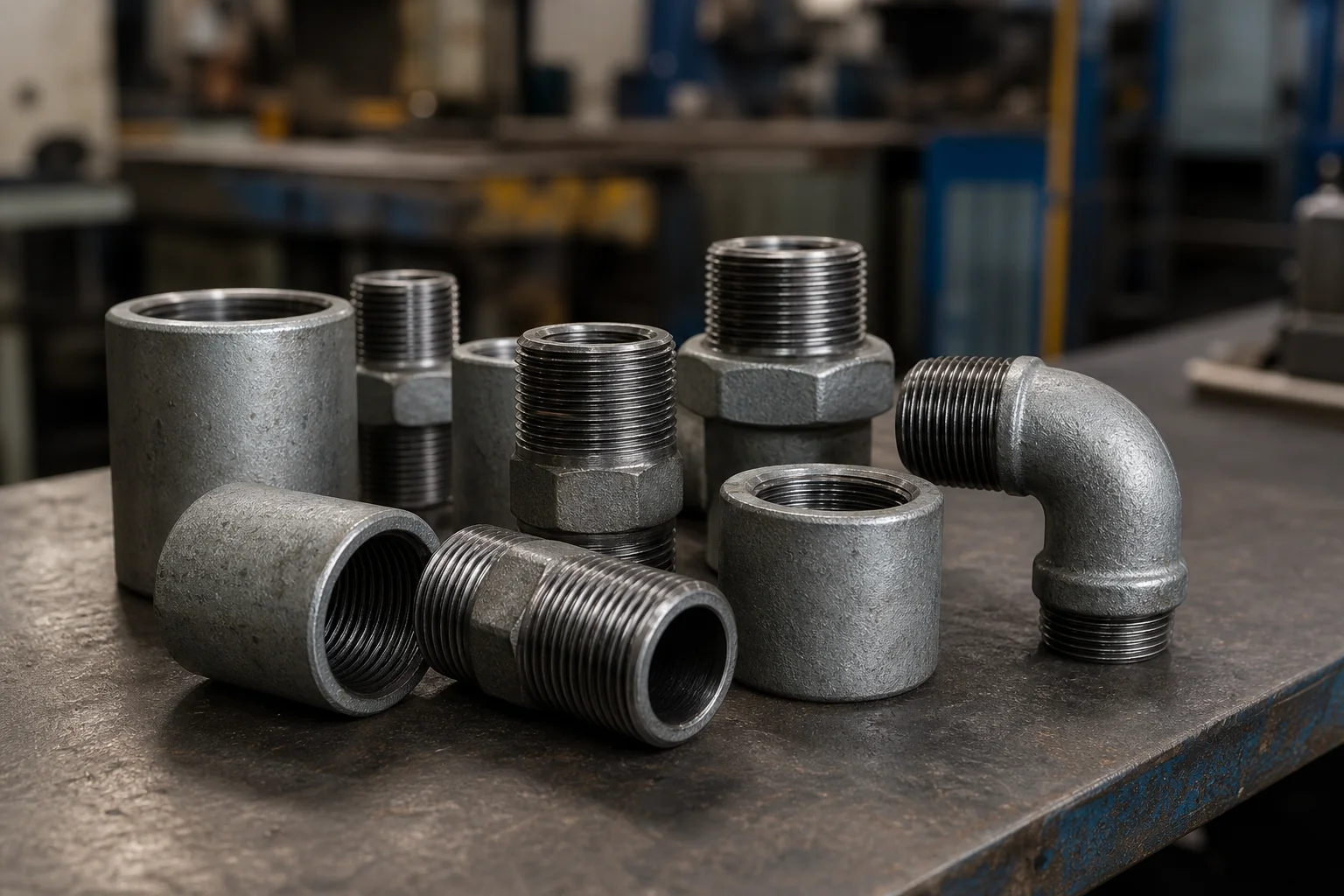
Thread engagement affects forged fittings, malleable-iron fittings, threaded flanges, valve ports, instrument connections, and pipe nipples. A small threaded valve may have less wall around the port than a heavy forged coupling, so the same installation force can produce different damage risks.
Adapters with NPT on one end and BSP, metric, or tube connections on the other need separate inspection for each end. For gas, oxygen, steam, and hazardous fluids, the approved assembly and leak-test procedure is more important than informal rules learned from another service.
FAQ
How many turns should an NPT fitting engage?
There is no single universal answer for every size and product. Use the applicable thread standard, gauges, and approved assembly procedure.
Does more engagement mean a better seal?
No. Excessive engagement can indicate dimensional problems or over-tightening and can damage the component.
Can calipers replace an NPT gauge?
Calipers can support identification, but they do not replace the standard functional or reference gauge method.
Should sealant change the acceptance turns?
Sealant affects assembly friction and position, which is why final tightening must follow the approved product or project method.
What if a fitting passes the gauge but leaks?
Inspect mating threads, surface damage, sealant, alignment, assembly method, pressure, temperature, and service compatibility.
Next Steps
Add the exact thread standard, gauge method, sealant, assembly procedure, and leakage test to the inspection plan. Investigate abnormal engagement before applying more force.
Request a Quote