
Overview
Schedule 40 and Schedule 80 are pipe wall thickness designations. For the same nominal pipe size, Schedule 80 normally has a thicker wall, smaller internal diameter, higher weight, and often higher pressure capability than Schedule 40. The right choice depends on the service pressure, temperature, fluid, corrosion allowance, joining method, and the project specification.
For buyers, the important point is simple: pipe schedule affects the pipe ID, weight, welding fit-up, flow rate, and the matching of elbows, tees, reducers, valves, and flanges. It should not be selected only by price.
Why It Matters for Pipe Components
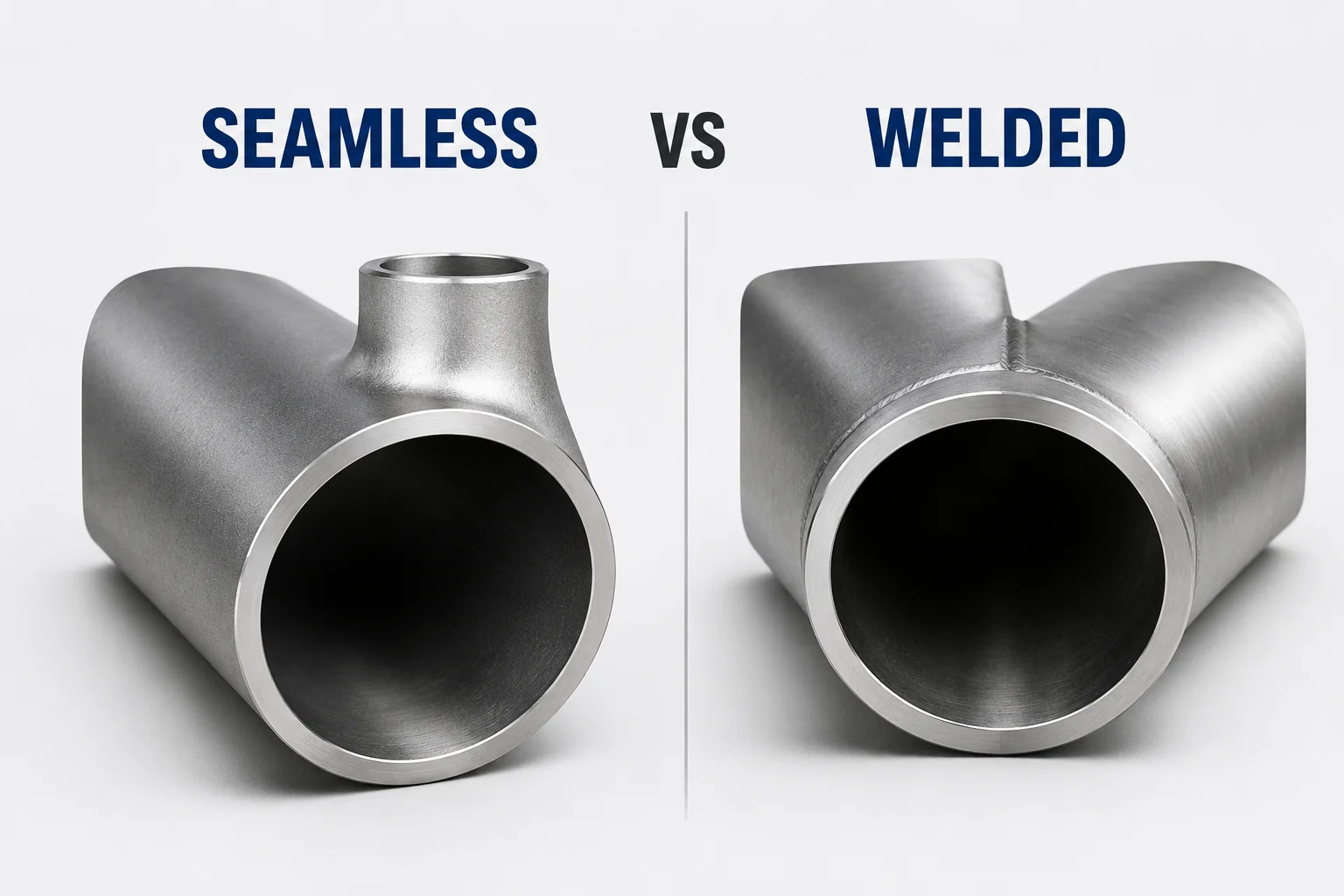
Pipe fittings are not selected in isolation. A Schedule 40 pipe connected to a Schedule 80 fitting may create mismatched bore dimensions, different wall thickness at the weld, and unexpected flow restriction. This matters in butt weld systems, socket weld systems, threaded piping, and flange connections.
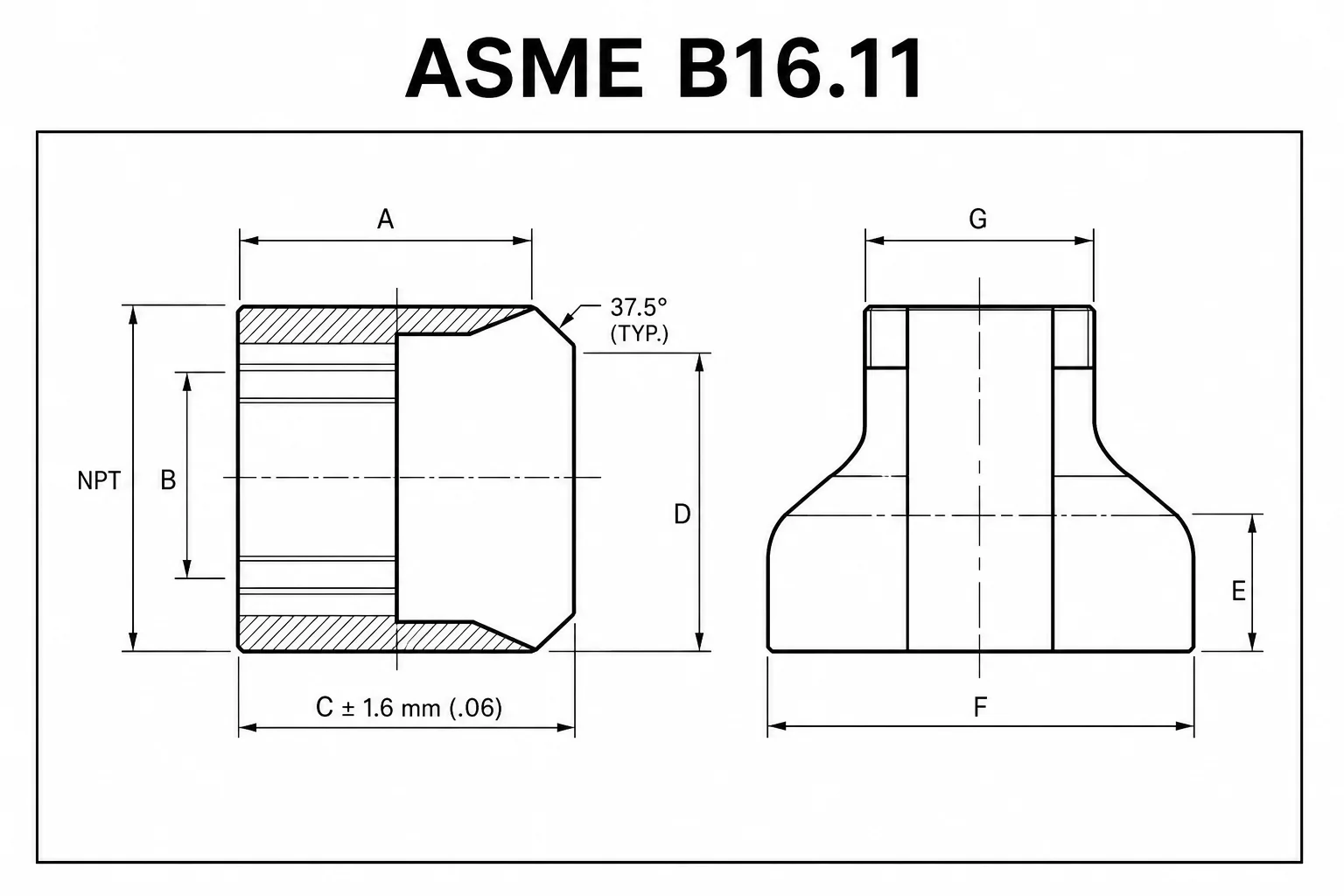
For butt weld fittings, the wall thickness should match the pipe or follow the project piping class. For flanges, the bore should be compatible with the pipe schedule. For threaded or socket weld components, the pressure class, material, and connection design must all be checked together.
In procurement, confusion often happens when a buyer sends only the nominal size, such as 2 inch or DN50, without stating the pipe schedule. That is not enough information for accurate supply.
Methods, Parameters, or Process
When comparing Schedule 40 and Schedule 80, use the project piping specification first. If the specification is not available, confirm the design conditions before selecting products.
| Parameter | Schedule 40 | Schedule 80 | Why it matters |
|---|---|---|---|
| Wall thickness | Thinner | Thicker | Affects strength, welding, and weight |
| Internal diameter | Larger | Smaller | Affects flow and pressure drop |
| Weight | Lower | Higher | Affects cost, support, freight, and installation |
| Cost | Usually lower | Usually higher | More material and machining may be required |
| Typical use | General industrial service | Higher pressure or more demanding service | Must follow project design |
Selection process:
1. Confirm nominal pipe size or DN. 2. Confirm the pipe schedule or wall thickness. 3. Confirm material grade, such as ASTM A106, ASTM A312, or project equivalent. 4. Confirm the required fittings standard, such as ASME B16.9 for butt weld fittings. 5. Confirm flange bore, pressure class, and facing type if flanges are included. 6. Check the project piping class before final procurement.
Supplier and Inspection Checklist
- Confirm nominal pipe size, outside diameter, and schedule.
- Match butt weld fitting wall thickness with the pipe or project requirement.
- Check flange bore compatibility before machining or shipment.
- Ask for material test certificates when required.
- Verify marking, heat number, and package labels.
- Confirm whether the client requires PMI, UT, MT, PT, or third-party inspection.
- Do not treat schedule as a complete pressure rating without checking material and temperature.
Application to Pipe Fittings, Valves, and Flanges
For pipe fittings, Schedule 40 is commonly used in general industrial piping where the design conditions allow it. Schedule 80 is often selected when the system needs a thicker wall or better mechanical allowance. In valves and forged fittings, pressure class and connection type may be more important than schedule alone.
For flanges, the buyer should confirm whether the bore is for Schedule 40, Schedule 80, or another wall thickness. This is especially important for welding neck flanges and socket weld flanges. A flange made for the wrong schedule may not provide the expected fit-up or internal transition.
For reducers, the large end and small end schedules should both be checked. In many RFQs, buyers provide only “reducer 4 x 3 inch” and forget to state wall thickness. That missing detail can delay quotation.
FAQ
Is Schedule 80 always stronger than Schedule 40?
For the same pipe size and material, Schedule 80 normally has a thicker wall than Schedule 40. However, the actual allowable pressure also depends on material, temperature, standard, corrosion allowance, and project code.
Can Schedule 40 fittings be used with Schedule 80 pipe?
Only if the project specification allows it and the wall thickness, bore transition, and welding requirements are acceptable. The safer approach is to confirm matching schedules before procurement.
Does pipe schedule affect flow?
Yes. Schedule 80 usually has a smaller internal diameter than Schedule 40 for the same nominal pipe size. This can increase pressure drop and affect system flow.
What information should be included in an RFQ?
A clear RFQ should include product type, size, schedule or wall thickness, material, standard, quantity, connection type, inspection requirements, and delivery terms.
Next Steps
If you are sourcing pipe fittings, valves, or flanges for Schedule 40 or Schedule 80 piping, send the pipe size, wall thickness, material, standard, and quantity. Nuoan can help check product compatibility and prepare a clear quotation with supporting documents.
Request a Quote