
Overview: the answer in one paragraph
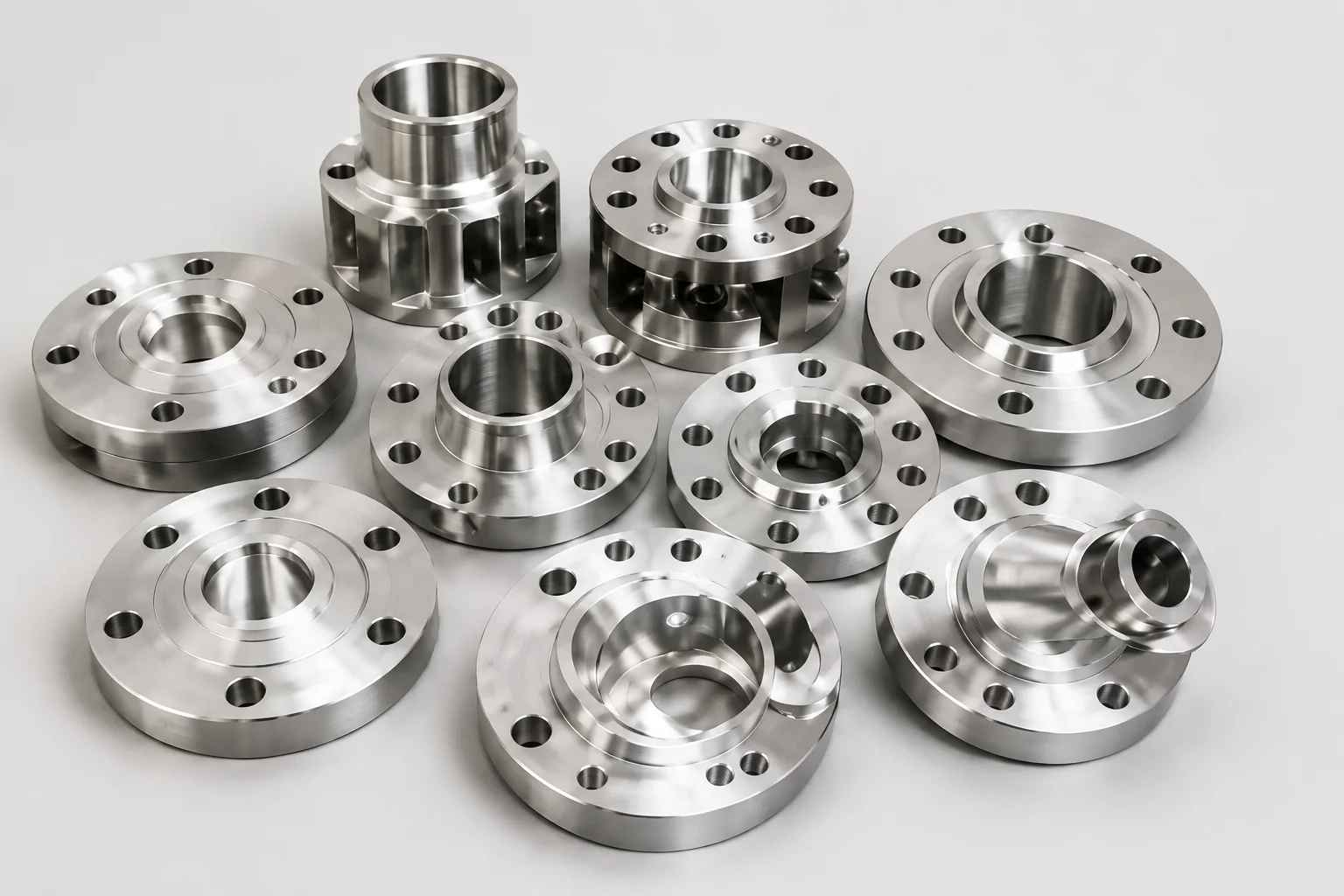
A weld neck flange is usually preferred for higher pressure, higher temperature, cyclic loading, vibration, or more critical piping service. A slip-on flange is usually easier to align and more economical for lower-pressure, less critical service. The final choice should follow the piping design code, project specification, pressure class, pipe schedule, and inspection requirement.
What is the main structural difference?
| Item | Slip-on flange | Weld neck flange |
|---|---|---|
| Pipe connection | Pipe slips into the flange bore | Pipe butt welds to the flange neck |
| Hub design | Shorter hub | Long tapered hub |
| Welding | Fillet welds | Butt weld |
| Alignment | Usually easier on site | More precise fit-up required |
| Common use | General service, lower pressure | Critical, higher pressure or high stress service |
Which flange is stronger?
Weld neck flanges usually provide better stress distribution because the tapered neck transitions into the pipe. This makes them common in critical piping systems.
Slip-on flanges can still be suitable for many applications, but they are not always the best choice for high stress or severe service. The project specification should decide.
Which flange is easier to install?
Slip-on flanges are usually easier to fit because the pipe can slide into the flange before welding. This can reduce alignment difficulty during field installation.
Weld neck flanges require more accurate bevel preparation and butt welding. They may also require more inspection depending on the project.
Which flange costs less?
Slip-on flanges are often cheaper than weld neck flanges in material and fabrication cost. However, total installed cost depends on welding, inspection, site labor, and service requirements.
For critical systems, a cheaper flange may not reduce total project risk.
Where are they commonly used?
Slip-on flange applications
- water lines
- low-pressure utility piping
- non-critical process lines
- general industrial systems
Weld neck flange applications
- oil and gas pipelines
- high-pressure systems
- steam or high-temperature lines
- cyclic or vibration-prone service
- EPC project piping
Selection checklist
Choose a weld neck flange when:
- pressure or temperature is high
- vibration or cyclic loading exists
- butt weld inspection is required
- project specification calls for WN
- piping stress is a concern
Choose a slip-on flange when:
- service is lower pressure
- installation economy matters
- project specification allows SO
- field alignment is a concern
- inspection requirements are moderate
FAQ
Can a slip-on flange replace a weld neck flange?
Only if the project engineer and specification allow it. Do not replace flange type only to reduce cost.
Is a weld neck flange always required for high pressure?
It is commonly used in high-pressure service, but the final selection depends on standard, class, pipe design, material, and project code.
Which one is better for EPC projects?
EPC projects often use weld neck flanges for critical lines and slip-on flanges for lower-risk service. The line class specification should be followed.
Internal links
- Welding Neck Pipe Flanges
- Slip On Flange Product Page
- Carbon Steel Weld Neck Flanges
- ASME B16.5 Flange Guide
Conversion block for Hebei Nuoan
Create a downloadable SO vs WN Flange Selection Table. Use it as a lead magnet for engineers and procurement users. Add a call-to-action: “Send us your line class or flange list for a quick technical quotation.”