
Overview
Tubing is commonly specified by actual outside diameter and wall thickness, although some products and industries use inside diameter or another convention. Pipe is commonly specified by nominal pipe size or DN plus schedule or wall thickness. The supplier must know which product family and standard applies.
OD and ID are connected by wall thickness: nominally, ID equals OD minus twice the wall. Actual dimensions vary with manufacturing tolerances, ovality, coating, lining, and machining.
Why It Matters for Pipe Components
A tube fitting selected by OD will not fit correctly if the buyer supplies an ID value. A pipe clamp selected from nominal size can be wrong if the actual OD is not checked. Instrument tubing, structural tube, hydraulic tube, heat-exchanger tube, plastic tube, and hose can use different conventions.
Wall thickness controls strength, weight, flow area, bending, welding, and fitting compatibility. ID alone does not define the outside interface, while OD alone does not define the flow bore.
The safest RFQ states product standard, OD, wall, material, tolerance, and length when tube dimensions are critical.
Methods, Parameters, or Process
Identify the product family first, then record both actual and nominal dimensions as needed.
| Product | Common size basis | Additional data |
|---|---|---|
| Process steel pipe | NPS/DN plus schedule or wall | Standard, OD, material, ends |
| Instrumentation tubing | Actual OD plus wall | Material, tolerance, finish, hardness |
| Structural tube | Outside dimensions plus wall | Shape, grade, corner radius |
| Heat-exchanger tube | OD and wall or gauge | Length, finish, testing |
| Hose/tubing product | Manufacturer-specific ID or OD convention | Reinforcement, pressure, fittings |
| Plastic pipe/tube | Standard-specific OD or ID series | SDR/schedule, material, joining |
Supplier and Inspection Checklist
- Ask whether the item is pipe, tube, hose, or conduit.
- State the dimensional standard.
- Give OD and wall for precision tubing.
- Give NPS/DN and schedule or wall for process pipe.
- Add ID where flow or internal fit is critical.
- Confirm tolerances and ovality.
- Include coating, lining, or cladding in interface checks.
- Measure with calibrated tools at several orientations.
- Do not use nominal wording alone for custom clamps or fittings.
Application to Pipe Fittings, Valves, and Flanges
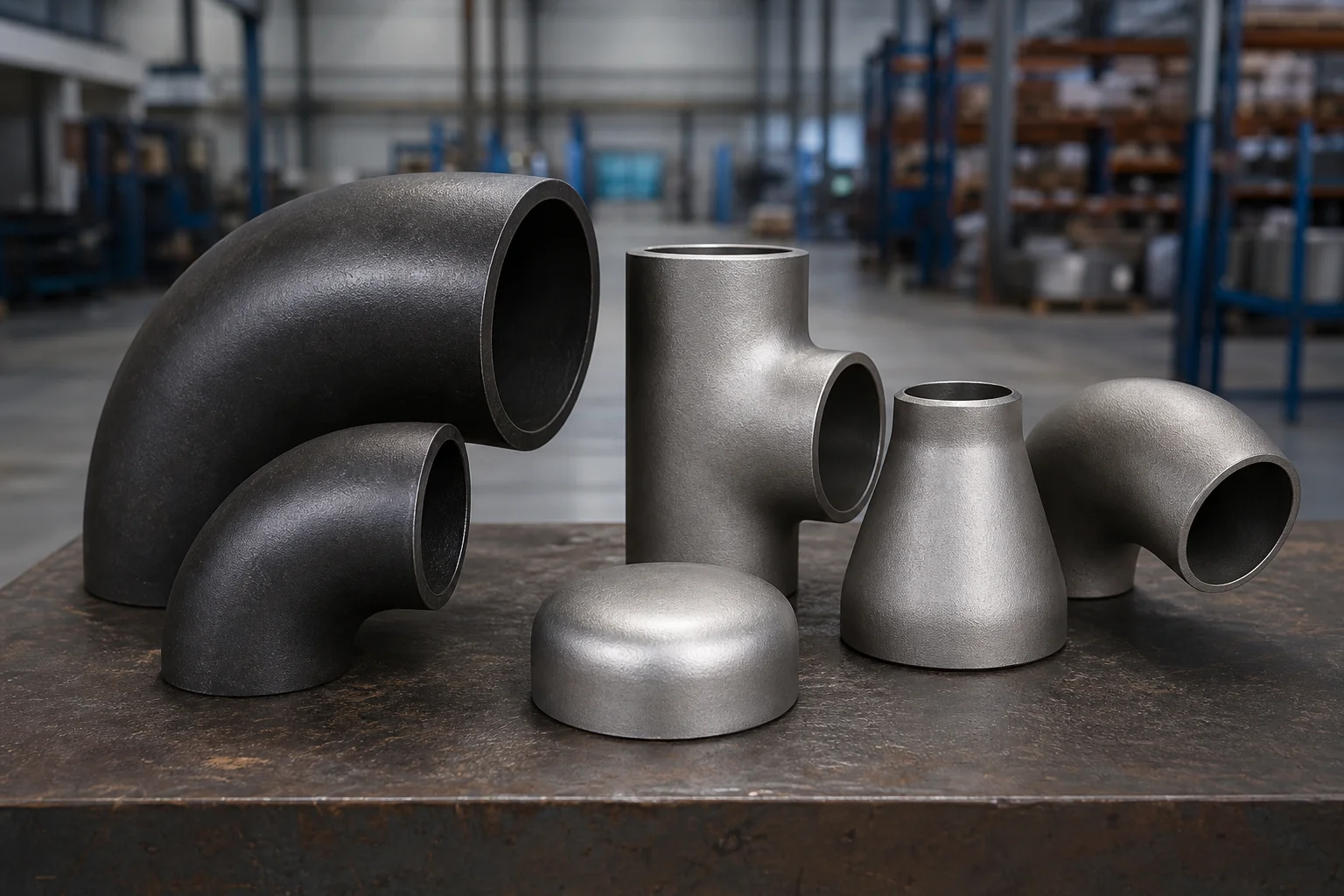
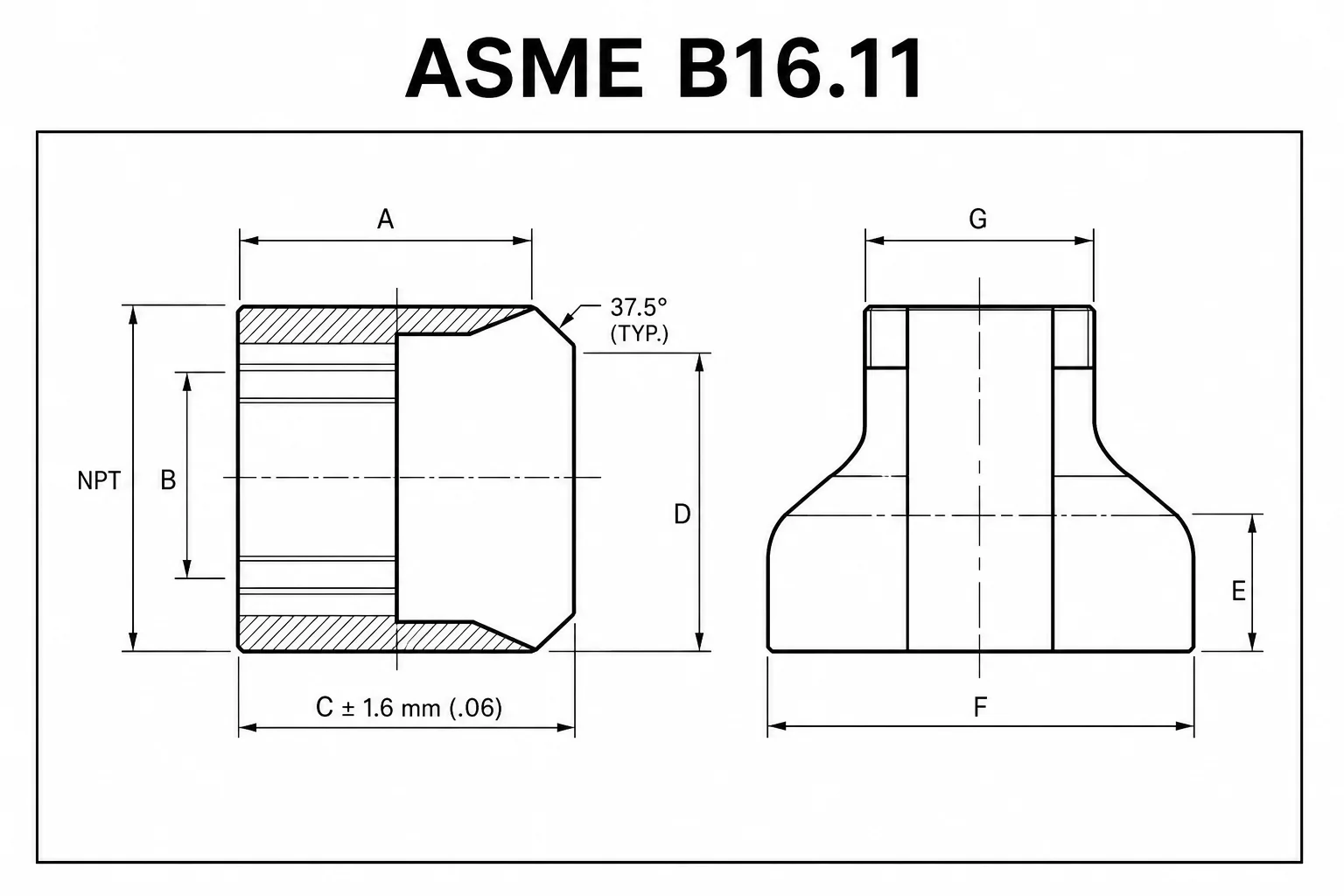
Tube fittings, compression fittings, ferrules, and supports often depend directly on actual tube OD. Pipe flanges and butt-weld fittings usually depend on nominal size plus pipe OD and wall standards.
Valves can have tube ends, pipe threads, socket-weld ends, butt-weld ends, or flanges. The end-connection sizing convention should be identified for each port.
FAQ
Is all tubing measured by OD?
No, but actual OD and wall are common for industrial tubing. Verify the product standard.
How do I calculate ID?
For a nominal estimate, subtract twice the wall thickness from OD. Actual ID varies with tolerances.
Is pipe measured by ID?
Modern pipe is commonly designated by NPS/DN and wall schedule rather than actual ID.
Why does tube OD matter?
Compression fittings, clamps, supports, and bending tools often interface with the outside surface.
Can two tubes have the same OD and different ID?
Yes. Different wall thicknesses produce different IDs.
Next Steps
For tube RFQs, provide OD, wall, material, standard, tolerance, length, finish, heat treatment, and tests. For pipe, provide NPS/DN plus schedule or wall.
Request a Quote