
Overview
When you search for a china flange, you are likely comparing manufacturers, standards, flange types, materials, and pricing for an industrial piping application. The right flange helps create a secure connection between pipes, valves, pumps, and equipment, while the wrong selection can lead to installation issues, downtime, or costly replacement.
Whether you need a weld neck flange for high-pressure service, a slip-on flange for general piping, or a china blind flange to close the end of a pipeline, understanding the main flange types makes sourcing faster and more reliable.
A china flange typically refers to a pipe flange manufactured or supplied from China for industrial, commercial, or infrastructure piping systems. These flanges are available in many configurations and standards, including ANSI, ASME, DIN, EN, JIS, and other project-specific requirements.
Why It Matters for Pipe Components
China flange products are commonly used in oil and gas piping, petrochemical processing, water treatment, power generation, shipbuilding, HVAC and mechanical systems, food and beverage manufacturing, and mining or heavy industry.
Because flanges vary by design, pressure rating, sealing face, bore, and material, the best choice depends on your operating conditions and installation requirements. Buyers often compare china flange suppliers for product variety and competitive sourcing, but the lowest quote is not always the best option.
A mismatched bolt pattern, incorrect pressure class, unsuitable material, or incomplete documentation can delay installation and create safety or compliance risk. Clear specifications at the quote stage reduce those failures.
Methods, Parameters, or Process
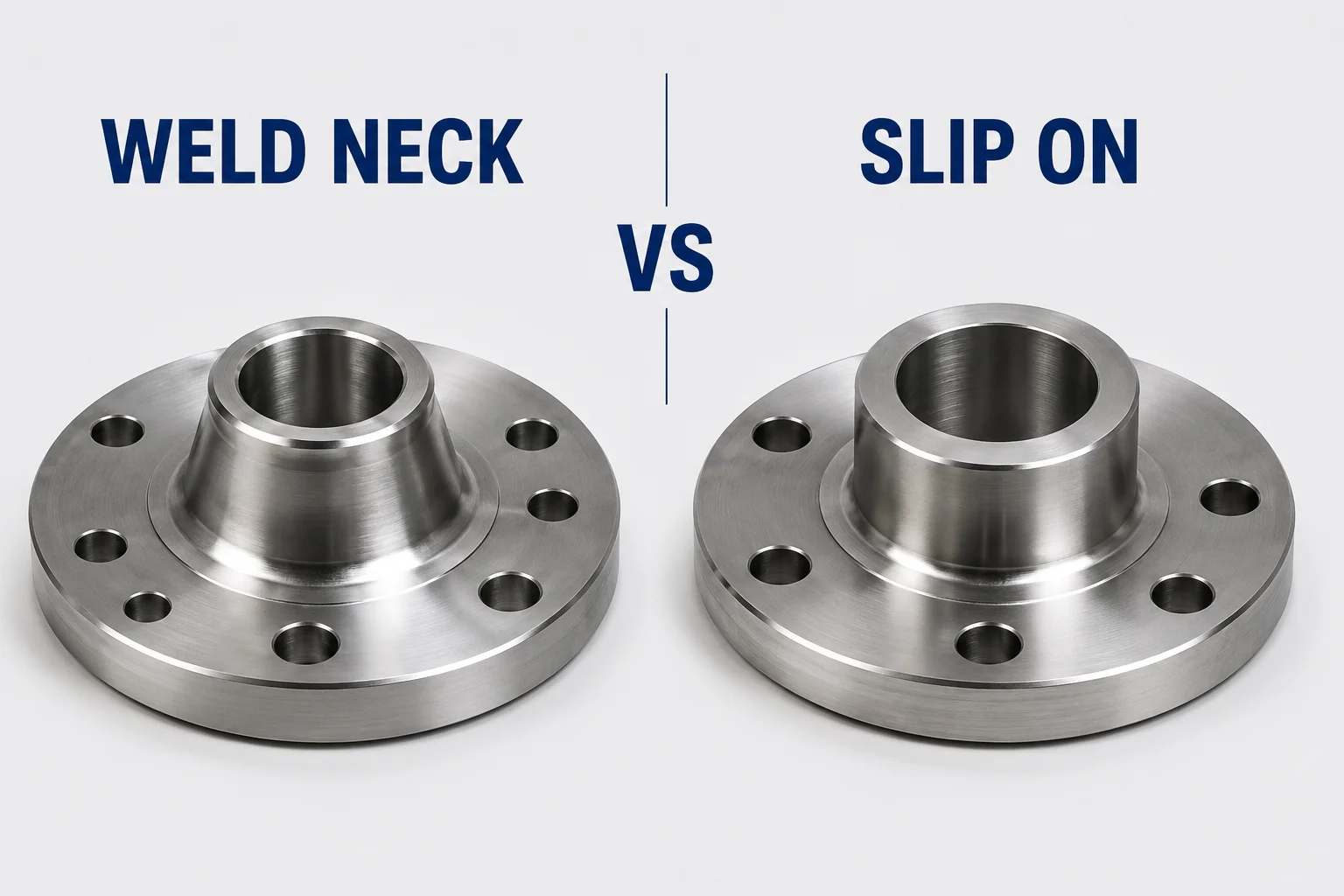
Weld Neck Flanges
Weld neck flanges are designed with a long tapered hub that is welded to the pipe. This design helps distribute stress and is often selected for demanding applications involving pressure, temperature changes, or critical service.
A weld neck china flange may be suitable when your project requires strong welded connections, better stress distribution, high-pressure piping compatibility, reliable process-system performance, and full penetration welding. These flanges are often used in refineries, chemical plants, and power facilities where connection integrity is a priority.
Slip-On Flanges
Slip-on flanges slide over the pipe and are typically welded on both the inside and outside. They are often chosen for general-purpose systems because they are relatively easy to align and install.
A slip-on china flange may be practical for low to moderate pressure piping, utility systems, water lines, non-critical industrial service, and projects where installation efficiency matters. They can be cost-effective, but they may not be the best option for severe pressure or temperature conditions.
Blind Flanges
A china blind flange closes the end of a pipe, valve, or pressure vessel opening. Unlike other flange types, it has no center bore. Blind flanges support isolation, inspection access, pressure testing, and future system expansion.
Common uses include sealing unused pipe ends, closing off valves or nozzles, creating maintenance access points, supporting pressure testing, and allowing future pipeline extension. When sourcing a china blind flange, confirm the flange standard, bolt pattern, gasket face, and material grade before ordering.
Socket Weld Flanges
Socket weld flanges include a recessed area where the pipe is inserted before welding. They are commonly used for smaller-diameter, high-pressure piping systems, compact installations, and joints that need a strong socket weld. They are not always ideal where internal crevices could create cleaning or corrosion concerns.
Threaded Flanges
Threaded flanges connect to pipes using internal threads rather than welding. This can be useful where welding is not preferred or where disassembly may be required. Threaded china flange options are often considered for low-pressure piping, utility service, temporary systems, welding-restricted applications, and smaller pipe sizes. They may be less suitable for severe vibration, cyclic loading, or high-temperature service.
Lap Joint Flanges
Lap joint flanges are used with stub ends and can rotate around the pipe to help with bolt alignment, especially when frequent disassembly or maintenance is required. They are useful when stainless or alloy stub ends are paired with carbon steel backing flanges, and when the flange itself does not directly contact the process fluid.
Plate Flanges
Plate flanges are flat flanges commonly used in lighter-duty piping systems. They may be specified for water, air, or general industrial applications when the design conditions are appropriate.
China ANSI Flange Options
A china ansi flange is commonly requested by buyers who need flanges manufactured to ANSI or ASME-style dimensional standards. These flanges are used when bolt hole patterns, pressure classes, face types, and dimensions must align with existing piping components.
When sourcing a china ansi flange, confirm flange type, nominal pipe size, pressure class, material grade, facing type (raised face, flat face, or ring-type joint), bore requirements, coating and marking, inspection needs, quantity, and delivery expectations.
Common Flange Materials
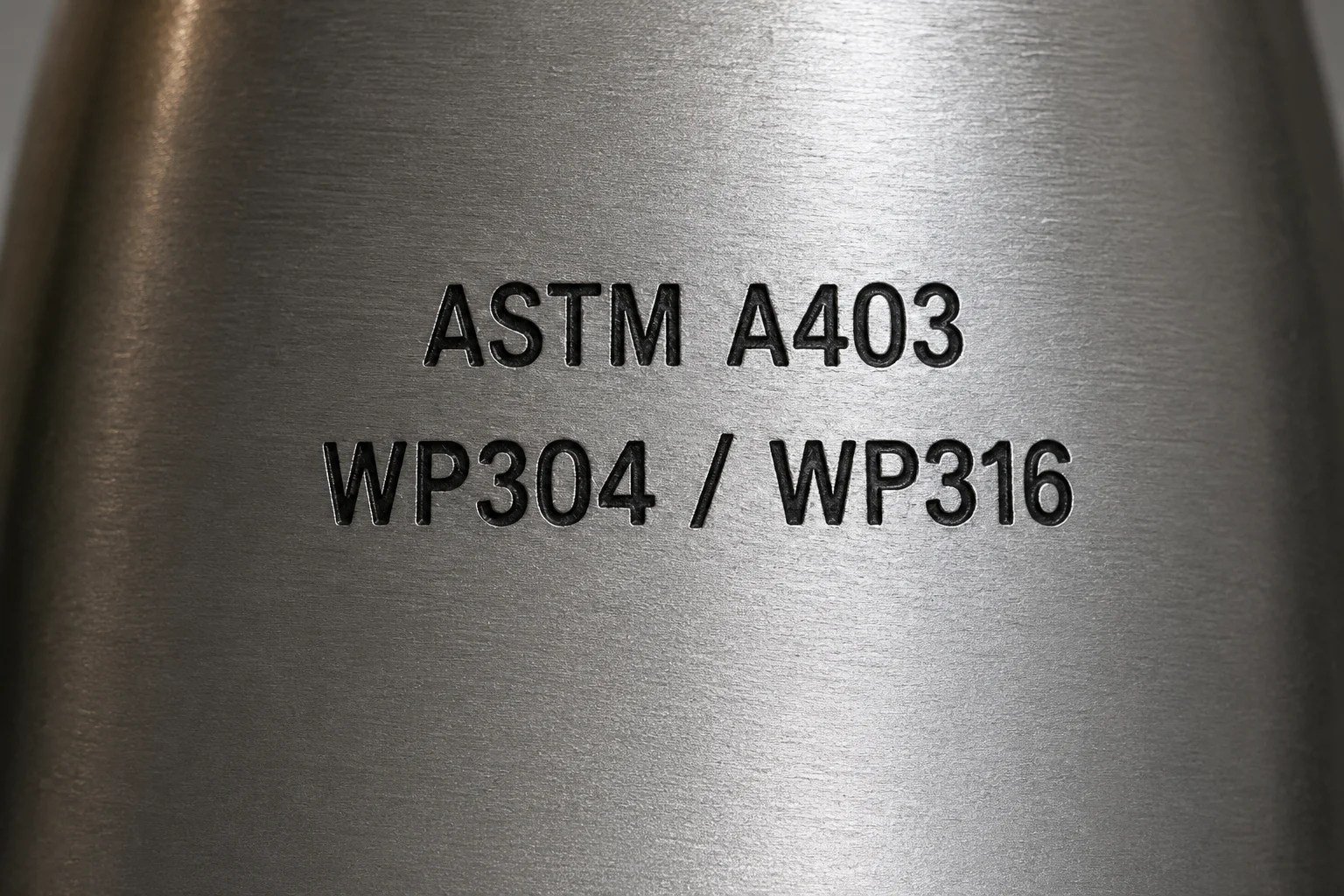
China flange products may be supplied in carbon steel for general industrial piping, stainless steel for corrosion resistance or hygienic service, alloy steel for higher temperature or pressure conditions, and duplex or specialty alloys for demanding corrosion environments. Material selection should account for fluid type, pressure, temperature, corrosion risk, external environment, and applicable project standards.
Supplier and Inspection Checklist
- Identify application conditions: fluid, pressure, temperature, and whether the system is critical.
- Confirm the required standard: ANSI, ASME, DIN, EN, JIS, or another project standard.
- Select the flange type that fits the connection method.
- Match the material grade to the pipe material and service environment.
- Verify facing and gasket compatibility with the mating flange.
- Request documentation such as material certificates, inspection reports, or dimensional checks when applicable.
- For international sourcing, require protective packaging and clear markings.
- Prefer suppliers that provide clear specifications, standard confirmation, quality inspection support, and export packaging options.
Application to Pipe Fittings, Valves, and Flanges
China flange selection affects how pipes connect to valves, pumps, vessels, and fittings. Weld neck and socket weld designs suit higher-integrity process lines. Slip-on and plate flanges often appear in utility and lower-severity service. Blind flanges terminate runs and support testing. Threaded and lap joint designs support maintenance access or welding restrictions.
For standardized piping systems, a china ansi flange helps keep bolt patterns and face types compatible with existing valves and fittings. Pairing the correct flange type with the correct valve end, gasket, and bolting package reduces field fit-up issues and rework.
FAQ
What does china flange mean?
A china flange typically means a pipe flange manufactured or supplied from China for industrial piping. It is available in multiple types, standards, materials, and pressure classes.
What is a china blind flange used for?
A china blind flange closes a pipe end, valve, or vessel opening with no center bore. It is used for isolation, inspection access, pressure testing, and future expansion.
What should I confirm for a china ansi flange?
Confirm flange type, size, pressure class, material, facing, bore, coating, inspection requirements, quantity, and delivery. Incomplete ANSI-style requests often miss the actual ASME standard designation.
Which china flange type is best for high-pressure service?
Weld neck flanges are often selected for high-pressure or critical service because the tapered hub distributes stress. Socket weld flanges may suit smaller-bore high-pressure lines. Final selection must follow project engineering requirements.
How do I request a quote for china flanges?
Include flange type, standard or drawing, size and pressure class, material grade, face type, quantity, coating if required, certificate or inspection needs, destination, and delivery timeline.
Next Steps
Prepare your flange type, standard or drawing, size, pressure class, material, face type, quantity, and documentation needs, then request a quote. Whether you need a china blind flange for pipeline closure, a china ansi flange for a standardized connection, or multiple flange types for a larger project, complete specifications help move from comparison to procurement with confidence.
Request a Quote