Overview
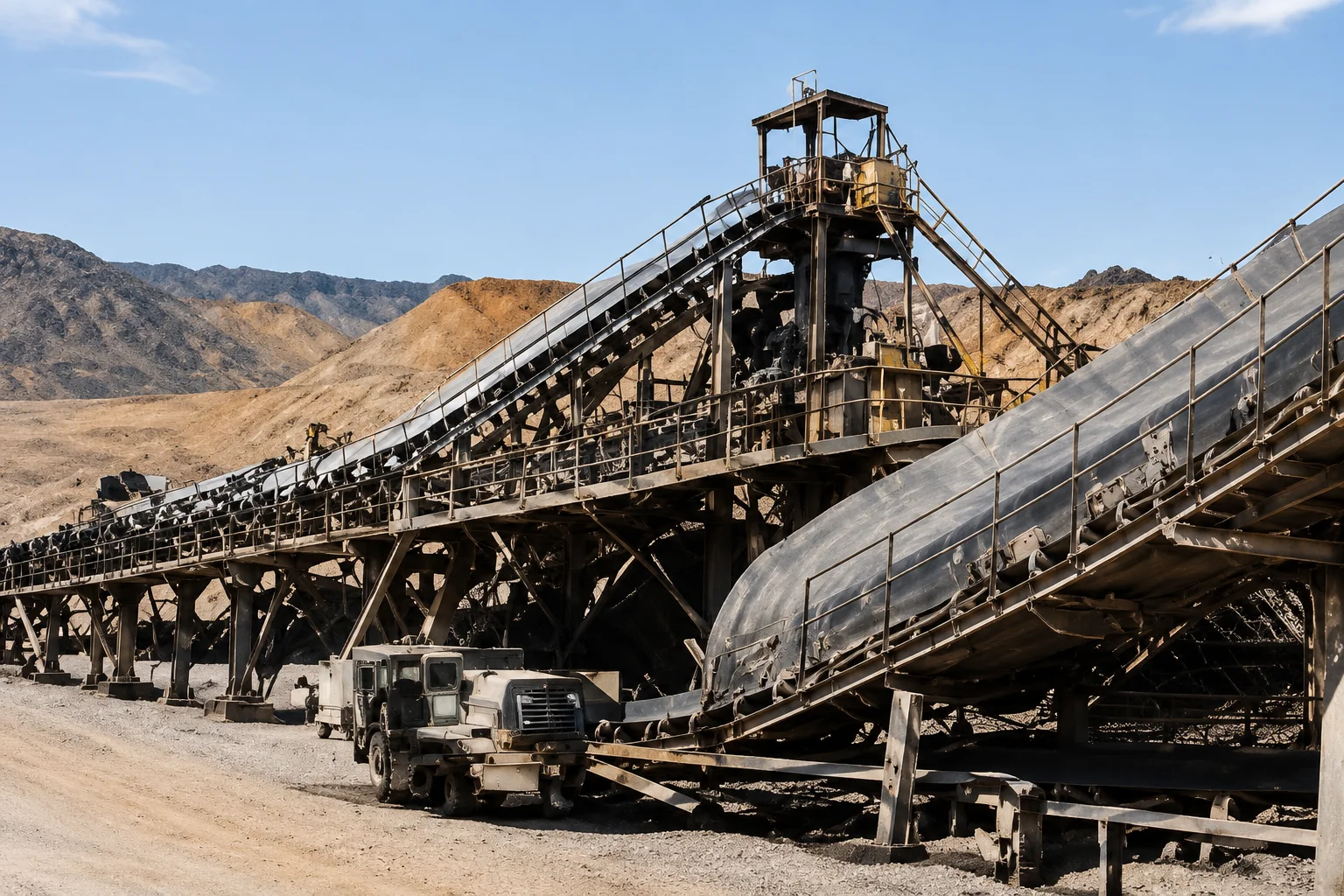
An anti-corrosion external coating for steel pipes separates the steel surface from soil, water, salts, industrial atmosphere, or other external environments that can drive corrosion. The coating system should be selected for the installation condition, operating temperature, mechanical handling, field-joint method, cathodic-protection design where applicable, and expected service life.
Common external systems include fusion-bonded epoxy (FBE), multilayer polyethylene or polypropylene systems, liquid epoxy, polyurethane, and project-specific paint systems. The correct system and required dry-film thickness cannot be selected from a generic description alone. They must follow the pipeline or plant coating specification.
Why It Matters for Pipe Components
A coating can perform well in the factory and still fail after transport or field installation. Damage at pipe ends, lifting points, weld areas, bends, cutbacks, supports, and field joints is common enough that packaging and repair procedures deserve the same attention as application.
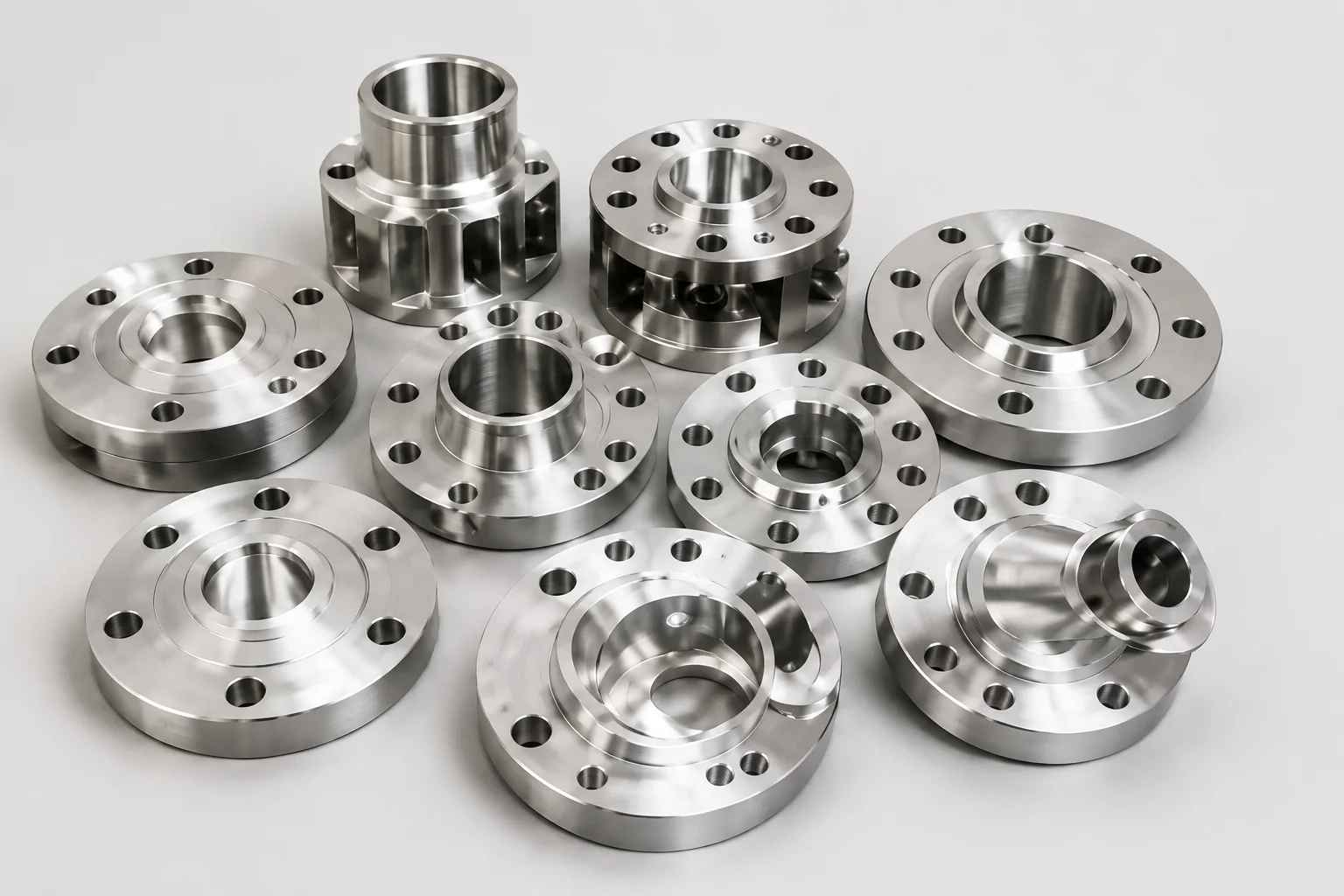
Fittings and flanges can also become discontinuities in the protection system. An externally coated straight pipe connected to an uncoated elbow or a poorly prepared flange spool creates a local corrosion risk. The project coating schedule should therefore define how pipe, fittings, valves, flanges, welds, and buried hardware are treated.
Coating quality also affects cathodic protection on buried pipelines. High coating defect density increases protective-current demand, while disbonded coating can create shielding conditions in some systems. Coating selection and CP design should be coordinated by qualified corrosion engineers.
Methods, Parameters, or Process
| Coating approach | Typical characteristics | Points to verify |
|---|---|---|
| FBE | Thermoset epoxy powder applied to heated steel | Surface cleanliness, profile, preheat, cure, holiday inspection |
| 3-layer PE | Epoxy-based primer/adhesive plus polyethylene outer layer | Layer adhesion, thickness, cutback, temperature range |
| 3-layer PP | Similar multilayer concept with polypropylene outer layer | Higher-temperature capability depending system; verify project limits |
| Liquid epoxy | Spray/brush/roller systems depending product | Mix ratio, pot life, DFT, cure, environmental conditions |
| Polyurethane | Tough protective coating in selected environments | Substrate prep, application window, cure, impact resistance |
| Zinc-rich/paint systems | Common atmospheric protection systems | Full paint-system specification, compatibility of coats, DFT |
A robust process normally includes surface cleaning, abrasive blasting or other specified preparation, soluble-salt control where required, profile verification, controlled coating application, cure, visual inspection, thickness measurement, holiday detection where specified, adhesion or other qualification tests, and documented repair.
Exact blast cleanliness grades, profile ranges, DFT, holiday voltage, cure temperature, test frequency, and acceptance values vary by coating system and specification. They must be verified against the approved coating procedure, product data sheet, and project standard.
Supplier and Inspection Checklist
- Identify the coating system by specification, not only by color or generic product name.
- State service environment: buried, submerged, marine, atmospheric, indoor, or insulated.
- Provide operating and design temperature range.
- Define pipe-end cutback length and protection of weld bevels.
- Require the specified surface preparation and cleanliness verification.
- Record environmental conditions when the coating procedure requires them.
- Measure coating thickness using the specified method and frequency.
- Perform holiday testing when required and document repaired defects.
- Define adhesion, impact, bend, peel, or other qualification tests only when required by the coating specification.
- Use an approved repair material compatible with the main coating.
- Protect coated surfaces during lifting, storage, and transport.
- Include field-joint coating requirements in the project package.
- Coordinate coating with cathodic protection and insulation systems where applicable.
Application to Pipe Fittings, Valves, and Flanges
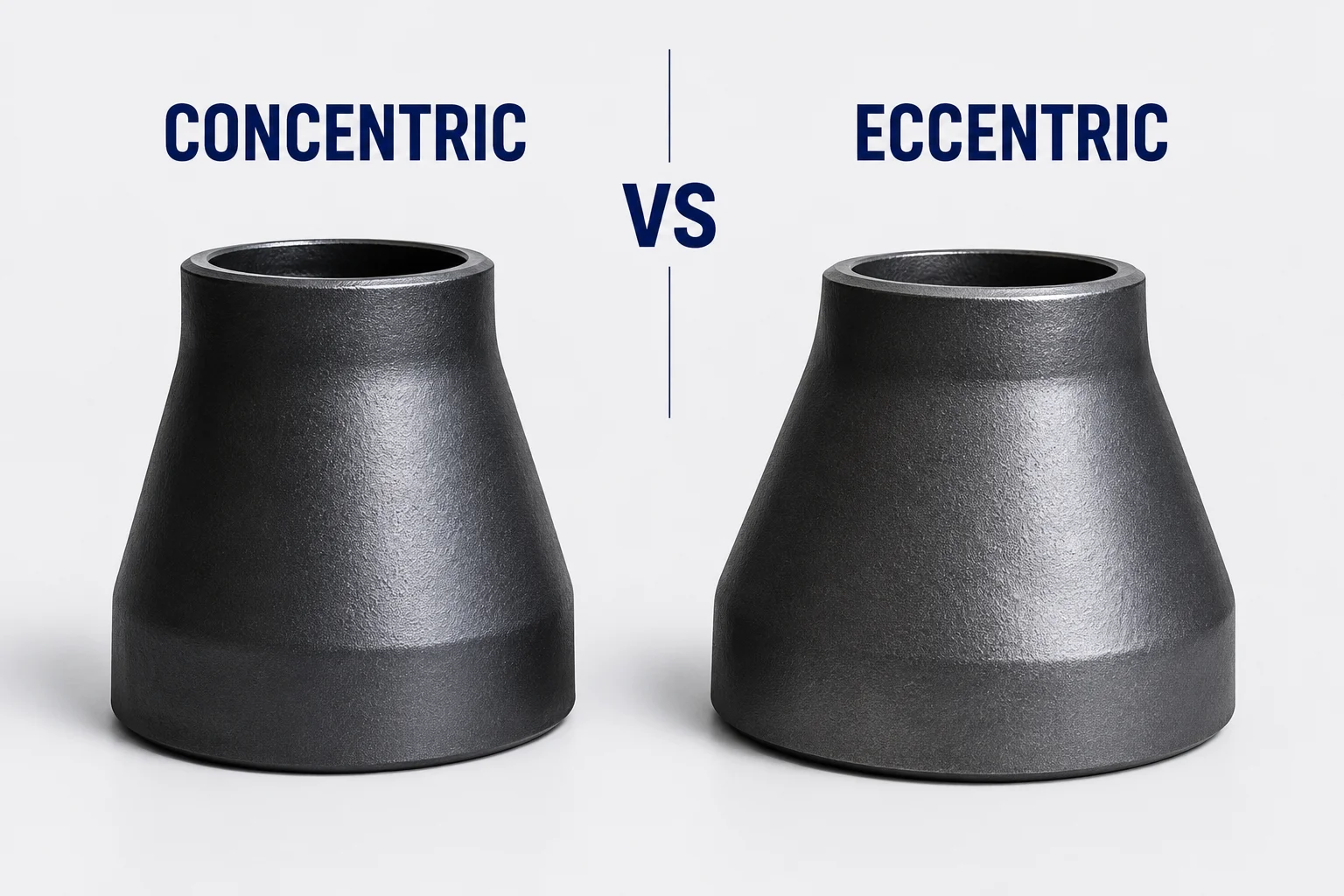
Factory-made elbows and tees may need the same external system as the line pipe, but application methods can differ because of geometry. Multilayer extruded systems used on straight pipe may require a different qualified process on fittings. The transition between coating types should be specified.
Flanges often need special masking so gasket faces, threads, bolt holes, and welding areas remain suitable for assembly. Buried flange assemblies may later receive field-applied protection or wrapping according to the project procedure.
Valves can have factory coating systems on bodies and actuators, but stem areas, bolting, gearbox interfaces, and field weld ends may use separate protection methods. Confirm the boundary between factory and field coating responsibilities.
FAQ
Is FBE the same as 3LPE?
No. FBE is a fusion-bonded epoxy coating. A 3LPE system uses multiple layers, typically including an epoxy-based layer, an adhesive layer, and a polyethylene outer layer. Exact system construction follows the approved specification.
How thick should external pipe coating be?
There is no universal thickness. Required thickness depends on coating product, system, service environment, application method, and project specification. Verify the approved coating data sheet and specification.
What is holiday testing?
Holiday testing is an electrical method used to detect discontinuities in nonconductive coatings on conductive substrates. Test voltage and method must be selected according to coating thickness and the referenced procedure.
Should fittings use the same coating as straight pipe?
They should provide compatible corrosion protection, but the exact product and application method may differ because of geometry and manufacturing constraints. The project coating schedule should define the approved system.
Next Steps
Attach the coating specification, operating temperature, installation environment, field-joint requirements, and inspection plan to the RFQ. Ask the supplier for the proposed coating procedure and product data sheet before approval. Any numerical application or acceptance criterion should be checked against the project-approved coating system.
Request a Quote