Overview
A corrosion resistant pipe is not one single material grade. It is a piping solution selected to control a defined corrosion mechanism for a specific fluid, temperature, pressure, environment, and design life. The solution may use a corrosion-resistant alloy, a metallic cladding, a nonmetallic liner, an internal coating, an external coating, corrosion allowance, chemical treatment, cathodic protection, or a combination of measures.
The right choice starts with the service conditions. “Corrosive chemical” is not enough information for material selection. A useful corrosion review normally considers fluid composition, concentration, contaminants, dissolved gases, pH, temperature, velocity, solids, wet/dry cycling, external atmosphere or soil exposure, cleaning chemicals, and shutdown conditions. Final material selection should be validated by the project corrosion engineer or other qualified authority.
Why It Matters for Pipe Components
Corrosion failures rarely respect component boundaries. A resistant pipe connected to an unsuitable carbon steel flange, gasket, bolt system, valve trim, or weld consumable can create a weak point. Dissimilar metals can also introduce galvanic effects when the electrical and environmental conditions support them.
Procurement teams therefore need a system view. The pipe body, fittings, flanges, valves, branch connections, weld overlays, linings, field joints, coatings, and inspection plan must work together. The corrosion barrier can be damaged during forming, welding, machining, transport, or installation even when the base material was originally correct.
Lifecycle cost is another issue. A higher-alloy material may increase purchase cost but reduce coating maintenance or replacement frequency. A lined carbon steel system may be economical for some services but can require special fabrication details, temperature limits, field-joint procedures, and inspection methods. There is no universal “best” corrosion-resistant option.
Methods, Parameters, or Process
The main approaches can be compared at a high level:
| Approach | Typical reason for use | Key procurement question |
|---|---|---|
| Stainless steel | General corrosion resistance in many process and utility services | Is the exact grade suitable for the fluid and temperature? |
| Duplex / super duplex stainless | Higher strength and resistance to certain chloride-related mechanisms | Are heat treatment, welding, ferrite control, and project testing defined? |
| Nickel alloy | Severe chemical or high-temperature corrosion environments | Is the selected alloy justified by corrosion data and fabrication capability? |
| Clad or weld-overlay pipe | Corrosion-resistant internal surface with structural backing material | How are cladding integrity and weld transitions inspected? |
| Thermoplastic or fluoropolymer lining | Chemical isolation from the metallic shell | What are pressure, temperature, permeation, and field-joint limits? |
| Internal coating | Barrier protection for selected services | What surface preparation, DFT, cure, holiday test, and repair procedure apply? |
| External coating | Soil, marine, atmospheric, or buried-line protection | What coating system and field-joint system are specified? |
| Corrosion allowance | Extra wall thickness to accommodate predictable metal loss | Is the corrosion rate sufficiently understood and monitored? |
Specific corrosion limits cannot be selected safely from a generic keyword article. For example, chloride-related cracking, erosion-corrosion, sulfidation, MIC, acid attack, and caustic damage have different controlling variables. A material that performs well against one mechanism may be poor against another.
Standards can define material properties, dimensions, manufacturing, testing, or coating procedures, but they do not replace a service-specific corrosion assessment. If a project cites ASTM, ASME, NACE/AMPP, ISO, EN, or client specifications, use the exact documents and editions required by the contract.
Supplier and Inspection Checklist
- Provide fluid composition, concentration range, contaminants, and operating temperature.
- State design pressure, upset conditions, shutdown conditions, and cleaning media.
- Identify whether corrosion concern is internal, external, or both.
- Specify the exact material grade or approved material list after engineering review.
- For lined or coated systems, define surface preparation, application, cure, inspection, and repair requirements.
- Confirm forming and welding procedures will not damage the corrosion-resistant layer.
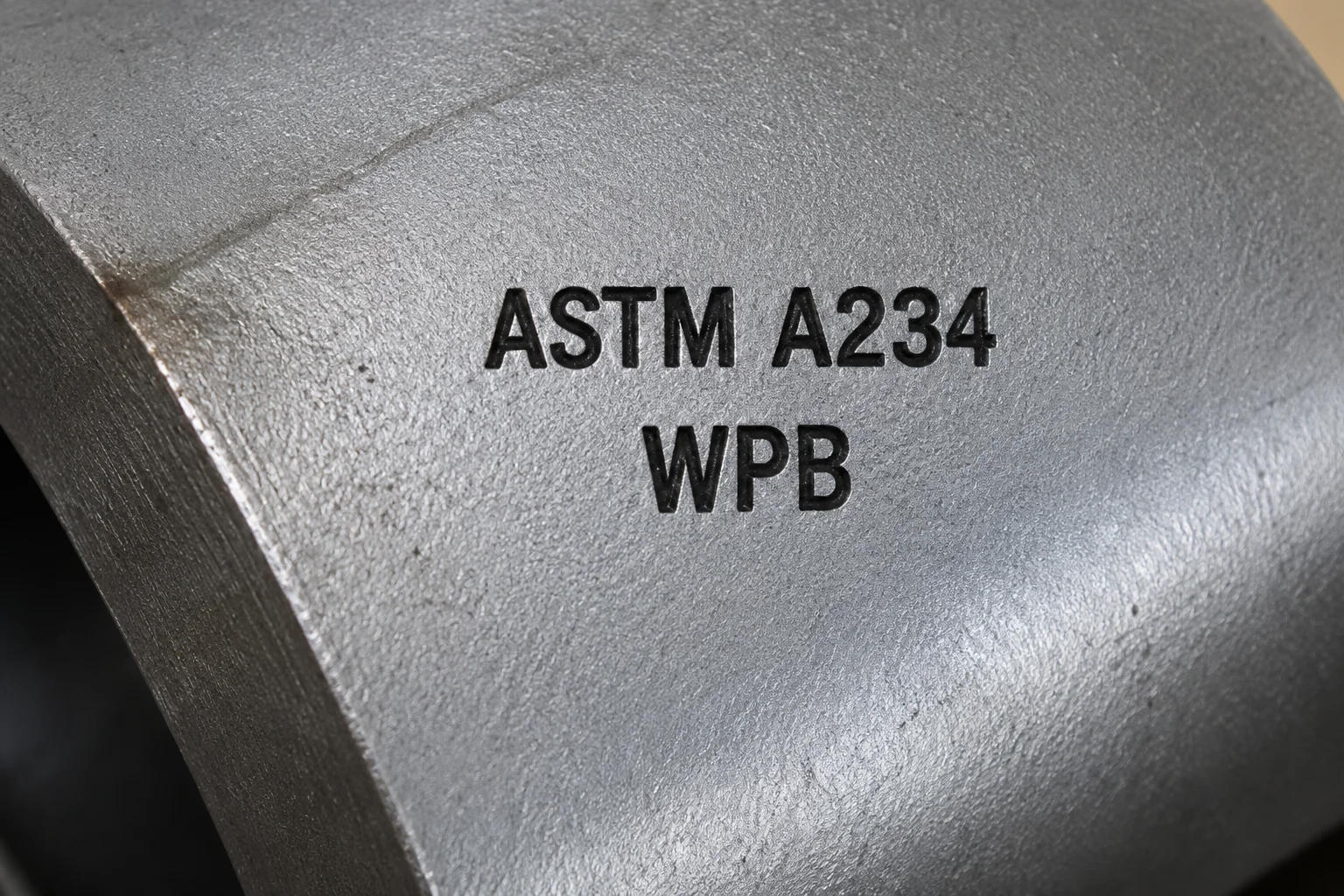
- Require material traceability and MTCs for alloy components where specified.
- Use PMI when required by the project or risk assessment.
- Inspect coating/lining continuity using the specified method and acceptance criteria.
- Check compatibility of fittings, flanges, valves, gaskets, bolting, and weld consumables.
- Define packing and handling controls for finished corrosion-resistant surfaces.
- Mark any unverified corrosion data as requiring engineering confirmation before purchase.
Application to Pipe Fittings, Valves, and Flanges
Pipe fittings should normally match the corrosion strategy of the pipe. For homogeneous alloy piping, compatible alloy fittings are common. For lined pipe, elbows and tees may require molded, bonded, loose-lined, or specially fabricated liners. The liner geometry at flanges and branch connections needs careful review because those are common transition areas.
Flanges can use the same alloy as the pipe, a clad construction, or a carbon steel backing component with a corrosion-resistant wetted surface, depending on design and specification. Gasket selection must consider both sealing and chemical compatibility.
Valves often have more complex material combinations than pipe. Body, trim, seats, seals, stems, and coatings may have different corrosion roles. A valve described only as “stainless steel” may still contain internal components that are unsuitable for the process fluid. A detailed valve datasheet is therefore important in corrosive service.
FAQ
What is the most corrosion-resistant pipe material?
There is no single most corrosion-resistant material for every service. Performance depends on the corrosion mechanism, fluid chemistry, temperature, pressure, velocity, contaminants, fabrication, and maintenance conditions.
Is stainless steel always better than carbon steel with coating?
No. Stainless steel can be an excellent choice for many services, but coated carbon steel may be more economical and technically suitable in others. Conversely, a coating can be vulnerable to damage or permeation in services where a resistant alloy is preferred.
Can external coating protect against internal corrosion?
No. External coating primarily protects the outside surface. Internal corrosion requires a suitable internal material, lining, coating, corrosion allowance, inhibitor program, or other engineered control.
Do corrosion-resistant fittings need separate verification?
Yes. Fittings, flanges, valves, weld consumables, and field joints should be checked as part of the same corrosion system, not assumed compatible from the pipe material alone.
Next Steps
Before requesting a quotation, issue a corrosion data sheet or line-class excerpt instead of asking only for “corrosion resistant pipe.” Have the responsible engineer approve the material or corrosion-control system, then ask suppliers to confirm fabrication, inspection, repair, and traceability capabilities for the complete pipe-component package.
Request a Quote