Weld neck vs slip-on selection: ไทย procurement guide
Weld neck vs slip-on selection: decide by service duty, not by shorthand
In industrial procurement, flange selection should not be reduced to a quick price comparison. Hebei Nuoan Pipeline Equipment treats weld neck vs slip-on selection as a coordination task between engineering, sourcing, fabrication, and inspection, because a procurement choice that looks efficient in the workshop can create slower installation and more inspection touchpoints once the piping package reaches site. For the TH market angle, we focus on ล็อกเหตุผลการเลือกหน้าแปลนก่อนเกิดงานแก้ในขั้นติดตั้ง.
A weld neck flange is typically favored when buyers need better stress transition, more reliable alignment, and higher confidence under demanding service conditions. A slip-on flange can still be a practical choice in less severe duty, especially when fabrication convenience and accessible welding matter. However, the practical TH concern is documenting why the selected flange suits the service condition, not just why it looked easier to quote or fabricate.
The procurement mistake is not choosing one flange or the other; it is issuing a PO that leaves the choice half-defined. Thai-speaking buyers often need a balanced explanation of material price, welding effort, fit-up behavior, and the cost of correcting ambiguity after delivery, and the selected detail must still survive inspection, commissioning, and owner review without interpretive debates.
Procurement checks before releasing the order
Use the checklist below to turn flange selection into an auditable purchasing decision. Each point is meant to reduce hidden assumptions between the RFQ, the workshop, the site team, and the third-party inspector.
- State the actual service condition in the RFQ and PO: medium, pressure, temperature range, cyclic loading, corrosion allowance, and whether vibration or thermal shock is expected.
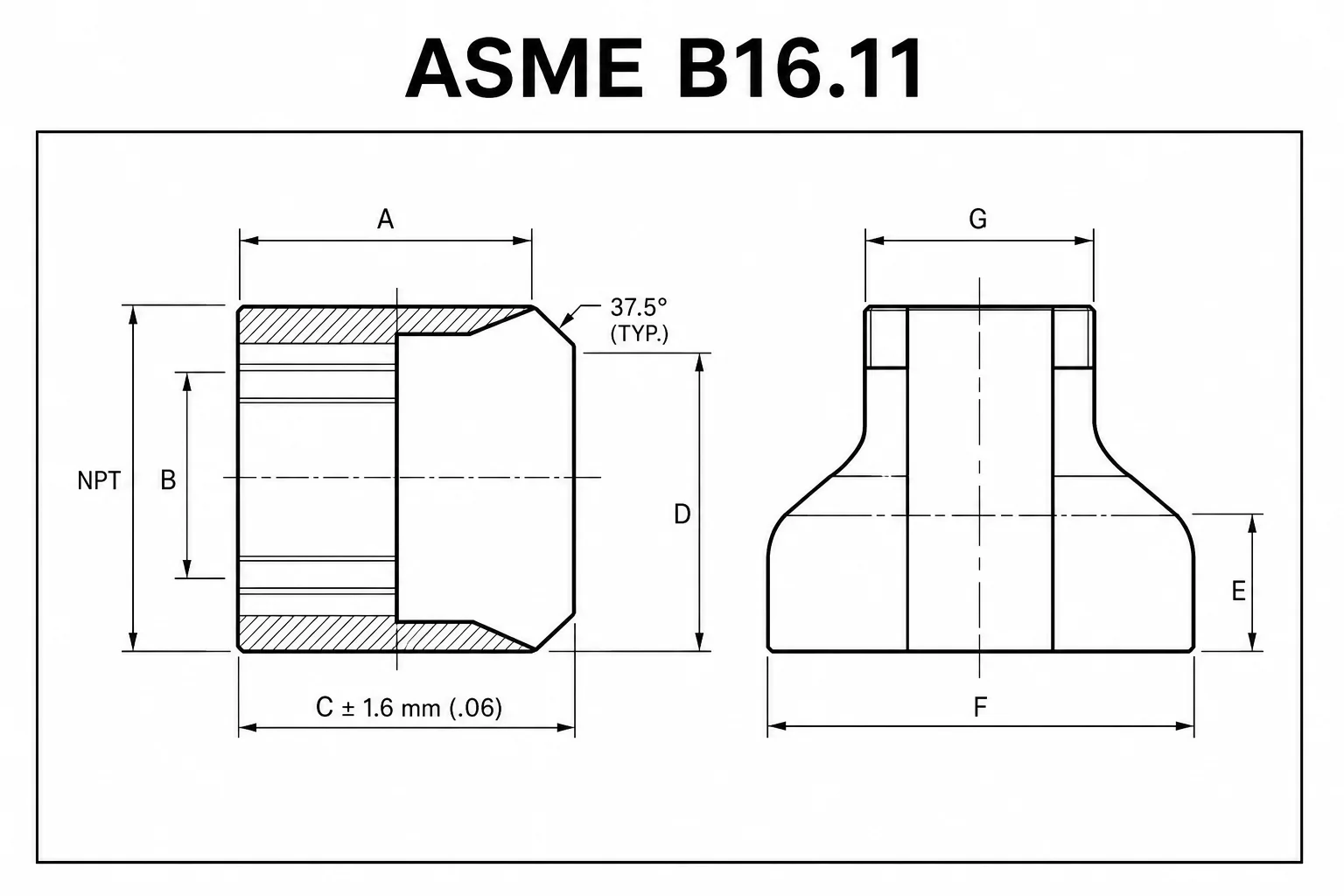
- Write the flange form as a complete instruction, not a nickname: weld neck or slip-on, pressure class, facing, standard edition, material grade, bore/schedule match, and any special wall transition.
- Compare installed cost, not unit price only. Thai-speaking buyers often need a balanced explanation of material price, welding effort, fit-up behavior, and the cost of correcting ambiguity after delivery
- Define welding and inspection responsibility before release: bevel condition, double fillet requirement where relevant, VT/PT/MT/RT expectations, hold points, and repair acceptance route.
- Remove common PO ambiguity by separating service duty from commercial substitution language. Release and receiving teams work better when the PO identifies service notes, face type, bore matching, inspection scope, and required document package in one place
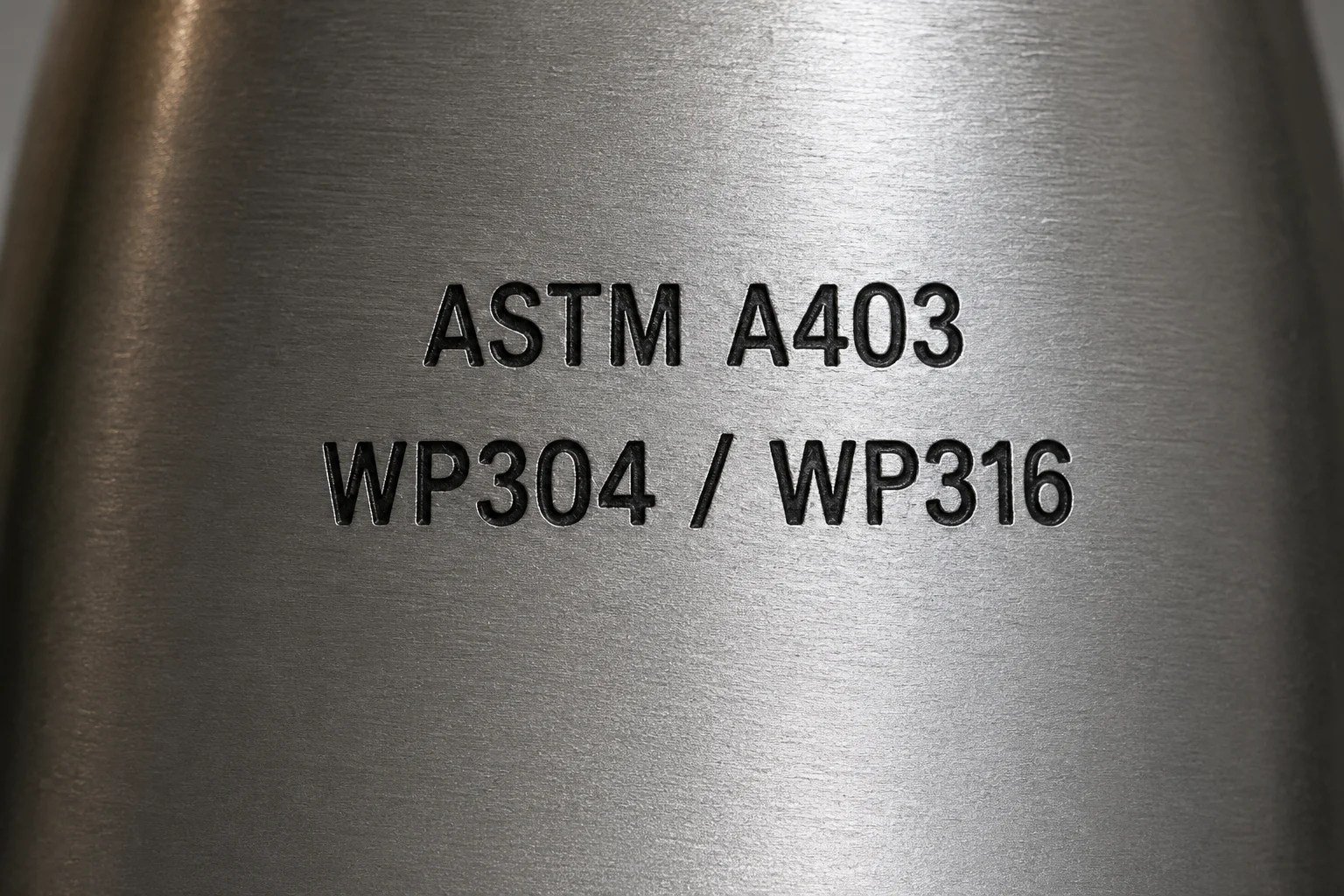
- Freeze the release dossier with MTC, dimensional report, marking photos, packing logic, and any buyer-required record that proves the selected flange type matches the intended piping service.
Why this choice changes project cost
The largest avoidable cost usually appears after the order is placed: extra welding hours, slower fit-up, repeated inspection comments, leak repair, or owner disputes over what the PO actually required. Locks selection logic before installation rework, which is why selection logic should be written before production starts.
Buyer FAQ
When should a buyer lean toward weld neck instead of slip-on?
Weld neck is usually the safer choice when the line sees higher stress concentration, thermal cycling, vibration, frequent startups and shutdowns, or stronger inspection expectations. Its tapered hub supports alignment and stress transfer more predictably than a slip-on detail chosen only for lower purchase price.
Is slip-on always the lower total-cost option?
No. Slip-on may reduce flange price and can be practical in less severe services, but total cost changes once double fillet welding, fit-up time, access constraints, coating touch-up, and later leak-repair risk are included. Procurement should compare installed cost and acceptance risk, not material price alone.
What PO wording causes the most confusion?
The most common problem is a short line item that names flange type and class but omits service notes, bore match, facing, schedule transition, inspection scope, or substitution limits. That forces the workshop and inspector to guess what the buyer actually intended.
Next steps
Send your flange list, service notes, and inspection expectations for weld neck vs slip-on selection. Hebei Nuoan Pipeline Equipment can help translate them into a cleaner RFQ and PO package before fabrication release.
Request quote