Overview
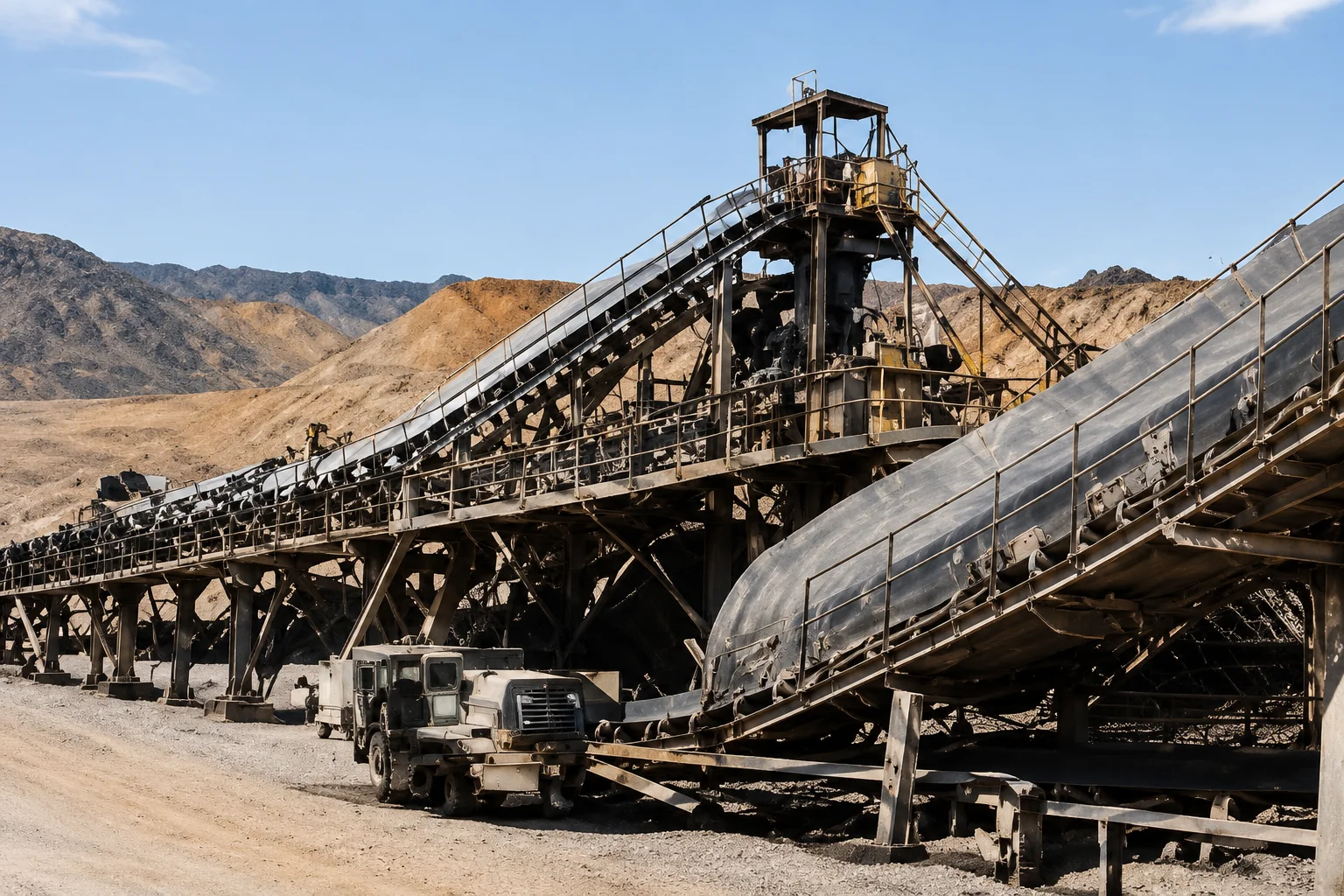
Abrasion resistant carbon steel pipe is a broad commercial term for steel piping designed to survive erosive or abrasive service better than ordinary pipe. It is not one universal ASTM or ASME material grade. Solutions may include pipe fabricated from abrasion-resistant plate, thicker carbon steel with corrosion/erosion allowance, hardfaced internal surfaces, alloy overlays, rubber or ceramic liners, polyurethane systems, or replaceable wear sections.
The correct solution depends on what is causing wear. Slurry particle size, hardness, shape, concentration, velocity, impact angle, flow regime, temperature, corrosion, and pipeline geometry all influence material loss. An “AR400” or similar hardness label from a plate producer is not, by itself, a complete piping specification and should not be treated as one.
Why It Matters for Pipe Components
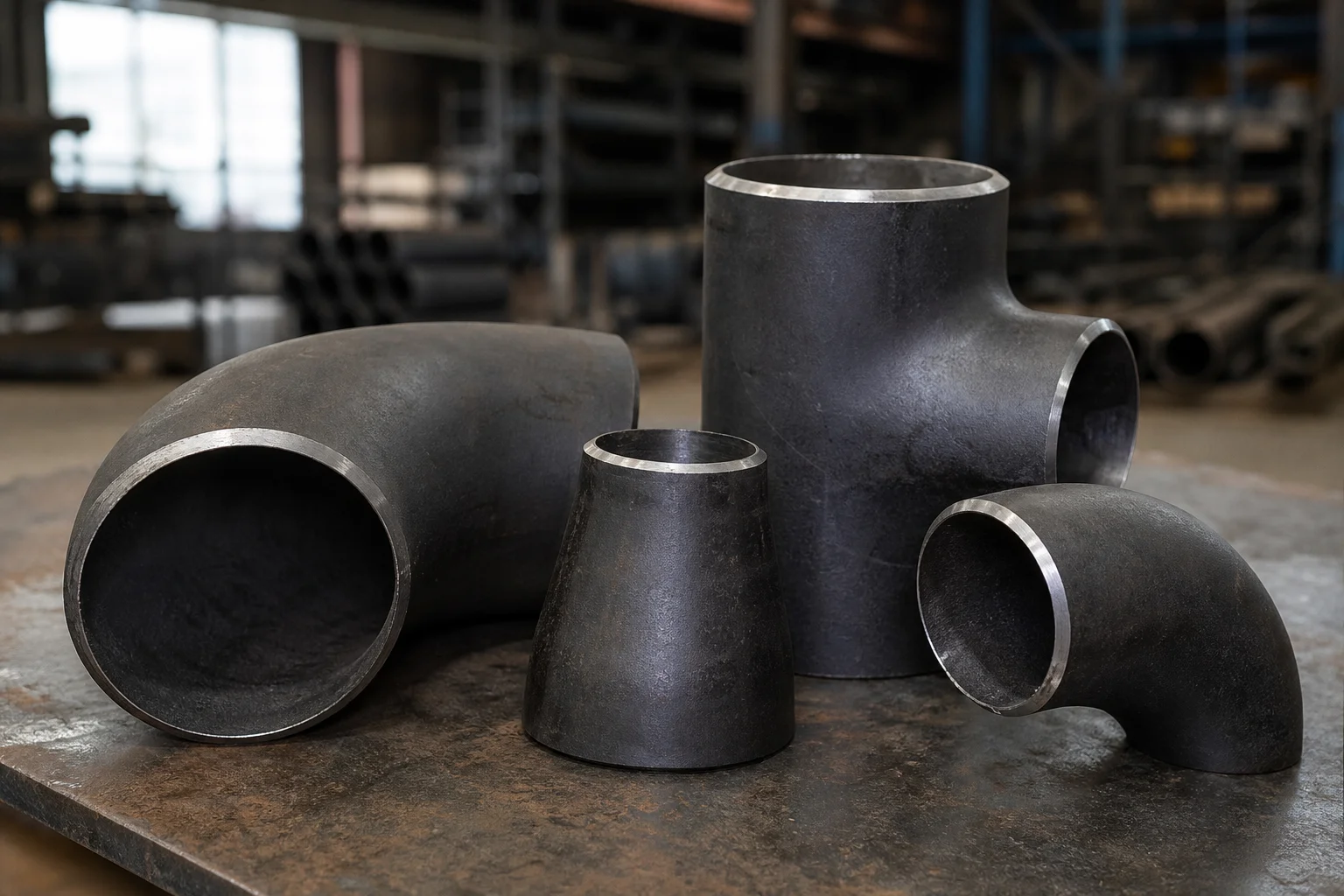
Wear is rarely uniform. Elbows, tees, reducers, branch intersections, pump discharges, choke points, and changes in elevation can experience much higher local wear than straight pipe. A project that upgrades straight pipe but leaves standard elbows unchanged may still fail at the fittings first.
Abrasion and corrosion can also interact. A harder steel may resist particle cutting but still corrode in the carrier fluid. Conversely, a corrosion-resistant liner may not survive high-impact particles. The system should be assessed for combined erosion-corrosion when both mechanisms are possible.
Fabrication adds another constraint. High-hardness plate can have special cutting, forming, preheat, consumable, heat-input, and hydrogen-control requirements from the plate manufacturer. Those instructions must be integrated into the welding procedure instead of copied from ordinary carbon steel pipe practice.
Methods, Parameters, or Process
| Wear-control approach | Strength | Main limitation to check |
|---|---|---|
| Thicker conventional carbon steel | Simple fabrication and predictable replacement | Higher weight and may still wear quickly at impact zones |
| Abrasion-resistant plate pipe | Higher hardness for sliding/impact wear | Forming and welding procedure must suit the plate grade |
| Hardfacing / weld overlay | Localized wear protection | Cracking pattern, dilution, weldability, repair strategy |
| Ceramic lining | Excellent hardness and wear resistance | Impact, bonding, joint detailing, temperature, brittleness |
| Rubber lining | Good for selected slurry and impact services | Temperature, chemical compatibility, cut/tear resistance |
| Polyurethane lining | Tough polymer protection in selected services | Temperature, chemistry, adhesion, thickness |
| Alloy/clad liner | Combines structural shell and resistant surface | Cost, fabrication complexity, transition welds |
A useful technical review separates hardness from toughness and weldability. Very high hardness is not automatically best if the pipe must be cold formed tightly, welded extensively, or exposed to impact that can cause cracking. Product-specific data from the steel or liner manufacturer should be used.
For slurry systems, wear modeling and field history are often more valuable than generic material rankings. If the plant has existing thickness-monitoring data, use it to identify high-wear zones and target upgrades.
Supplier and Inspection Checklist
- Describe the transported solids, carrier fluid, concentration range, temperature, and velocity.
- Provide particle size distribution and hardness/mineral information when available.
- Identify the known wear locations and service life target.
- Specify whether the solution is AR plate, overlay, ceramic, rubber, polyurethane, or another system.
- For AR plate, require the exact producer grade/specification and thickness.
- Obtain fabrication and welding guidance for the selected material.
- Qualify forming and welding procedures where required.
- Check pipe roundness, seam quality, wall/liner thickness, and end dimensions.
- Inspect liner or overlay continuity using the project-specified method.
- Define repair procedures for field joints and damaged wear surfaces.
- Plan thickness-monitoring locations for service.
- Verify pressure design separately from wear resistance; hardness alone does not establish pressure rating.
Application to Pipe Fittings, Valves, and Flanges
Elbows are often the most important components in abrasive service because particles change direction and can impact the outer radius. Options include thicker elbows, long-radius geometry, induction bends, hardfacing, cast wear elbows, ceramic-lined elbows, or replaceable spool pieces depending on the system.
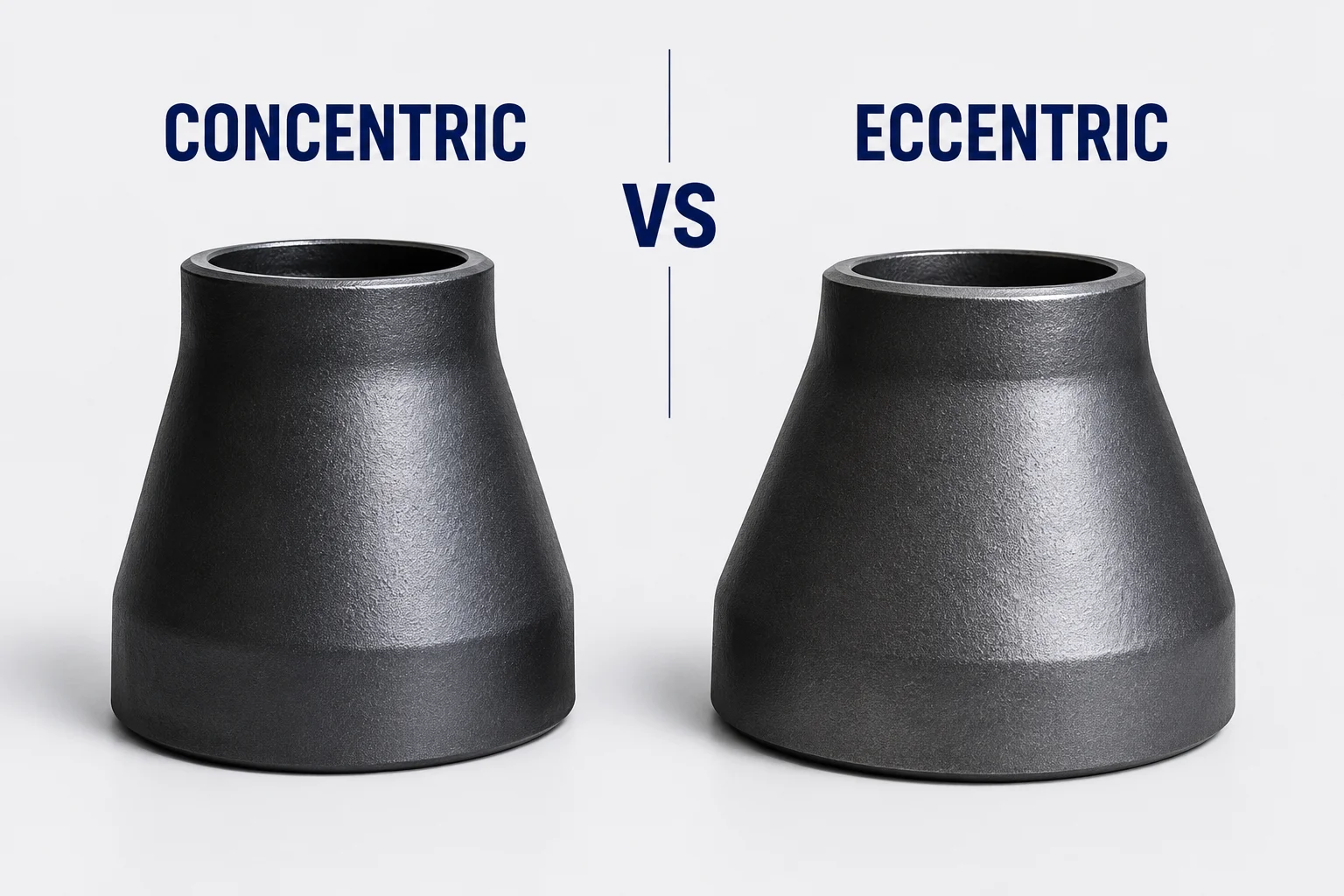
Reducers and tees also create local acceleration, recirculation, or impact. Their liner transitions should avoid abrupt steps that can concentrate wear.
Valves in slurry service require special attention to seats, trim, body passages, and clearances. A wear-resistant pipe connected to a standard soft-seated valve may move the failure point into the valve.
Flanges and gaskets should be arranged so the liner or wear surface transitions cleanly through the joint. Lined systems may need special flange faces, retaining details, or gasket selection defined by the system supplier.
FAQ
Is abrasion-resistant carbon steel pipe a standard grade?
No. It is a broad product category. The actual specification may be a proprietary abrasion-resistant plate grade, a standard carbon steel pipe with added wear protection, or a lined/overlaid construction.
Does higher hardness always mean longer life?
No. Wear life depends on the wear mechanism, impact, toughness, corrosion, fabrication quality, and geometry. Excessive hardness can also complicate forming and welding.
Are elbows more vulnerable than straight pipe?
Often yes in slurry and solids service because particles change direction at elbows, but actual wear patterns depend on flow and geometry. Field thickness data should be used when available.
Can wear-resistant pipe be pressure rated?
Yes, but pressure design must be established from the structural pressure-retaining material, dimensions, design code, weld quality, and allowable properties. A wear-resistance label alone does not establish pressure rating.
Next Steps
For an RFQ, provide operating data and expected wear life rather than requesting only “abrasion-resistant pipe.” Ask suppliers to state the exact structural material, wear layer or liner, fabrication process, weld/field-joint method, inspection plan, and replacement strategy. Any proprietary grade or lining limit should be verified against the current manufacturer data sheet and project design.
Request a Quote