Overview
NPS pipe uses a nominal size designation rather than a direct measurement of the pipe bore or outside diameter. NPS means *Nominal Pipe Size*. It is used widely in ASME-based piping systems to identify compatible pipe, fittings, flanges, and valves. A complete pipe specification normally needs more than the NPS number because wall thickness changes the inside diameter and pressure capability.
For procurement, a useful minimum description is usually NPS + wall thickness designation or schedule + material/specification + manufacturing type + applicable standard. Service conditions, end preparation, coating, inspection, and project-specific requirements may add further controls.
A common source of error is assuming that “2-inch pipe” has a 2-inch outside diameter or a 2-inch inside diameter. That is not generally true. In common ASME pipe dimensional systems, NPS 14 and larger have outside diameters numerically equal to the NPS number in inches, while smaller NPS sizes do not. Exact dimensions should be checked against the standard edition specified by the project.
Why It Matters for Pipe Components
NPS is the common language that allows a pipe to match an elbow, tee, reducer, valve end, or flange bore. If one item is ordered by actual tube OD while another is ordered by NPS, the parts can arrive physically incompatible even though the quoted “inch size” appears similar.
Wall thickness also matters. Two pipes with the same NPS can have the same outside diameter but different wall thicknesses and therefore different inside diameters. Butt-weld fittings must be selected with an end thickness and bevel arrangement suitable for the pipe and welding procedure. Weld-neck flange bores are also commonly coordinated with the connected pipe wall thickness.
For EPC and maintenance work, dimensional language should be frozen before purchase. The RFQ should state whether the project uses NPS/inch terminology, DN terminology, actual OD, or a special tubing system. This is especially important when drawings mix ASME, EN, ISO, utility, refrigeration, hydraulic, or sanitary conventions.
Methods, Parameters, or Process
The practical relationship is:
| Parameter | What it represents | Procurement effect |
|---|---|---|
| NPS | Nominal pipe size designator | Matches the nominal size of fittings and flanged equipment |
| OD | Actual outside diameter | Controls fit-up, supports, clamps, and many dimensional checks |
| Wall thickness | Metal thickness through the pipe wall | Affects ID, weight, welding, and design pressure capability |
| ID | Approximate internal bore after wall thickness is considered | Affects flow area and pigging/cleaning clearance |
| Schedule | Standardized wall-thickness series used in many ASME pipe systems | Must be checked against material and dimensional tables |
| DN | Metric nominal size designation | Not simply a millimeter conversion of every actual OD |
For pipe governed by ASME dimensional standards, engineers commonly consult ASME B36.10M for welded and seamless wrought steel pipe and ASME B36.19M for stainless steel pipe. The exact scope, dimensions, and permitted combinations must be verified against the edition named in the project specification.
“IPS” can also appear in older drawings or supplier catalogs. *Iron Pipe Size* is an older sizing convention and is sometimes used loosely to describe pipe-size OD systems. Do not treat IPS and NPS as automatically interchangeable without checking the actual OD and the governing specification.
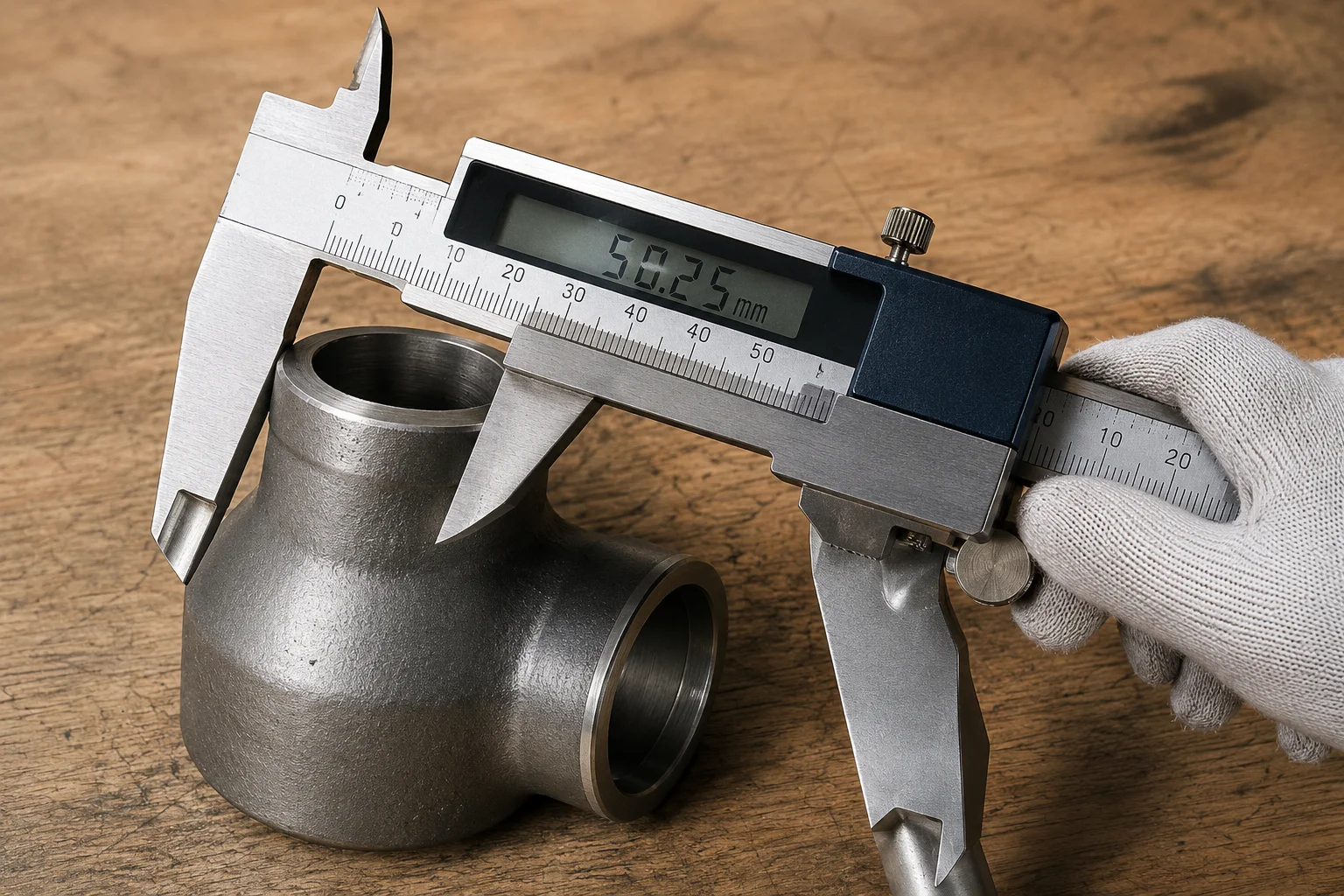
A reliable receiving check is to measure OD and wall thickness, then compare them with the purchase order and applicable dimensional table. ID can be calculated approximately from OD minus twice the wall thickness, but tolerances, internal coatings, corrosion allowance, and manufacturing variation can affect the actual bore.
Supplier and Inspection Checklist
- State NPS or DN explicitly and avoid a bare number such as “4 inch” without a sizing system.
- Specify schedule, nominal wall thickness, or exact wall thickness as required by the project.
- Identify the pipe material specification and grade rather than writing only “carbon steel” or “stainless steel.”
- Confirm seamless, welded, or other manufacturing requirements where they are contractually relevant.
- Match butt-weld fitting end thickness to the connected pipe and approved welding details.
- For weld-neck flanges, confirm flange bore and end preparation against the pipe wall.
- Check OD and wall thickness during incoming dimensional inspection.
- Require heat/lot traceability and MTC documentation when the project specification calls for it.
- Mark any special corrosion allowance, internal lining, external coating, or machining requirement in the RFQ.
- Verify all dimensional values against the specified standard edition before order release.
Application to Pipe Fittings, Valves, and Flanges
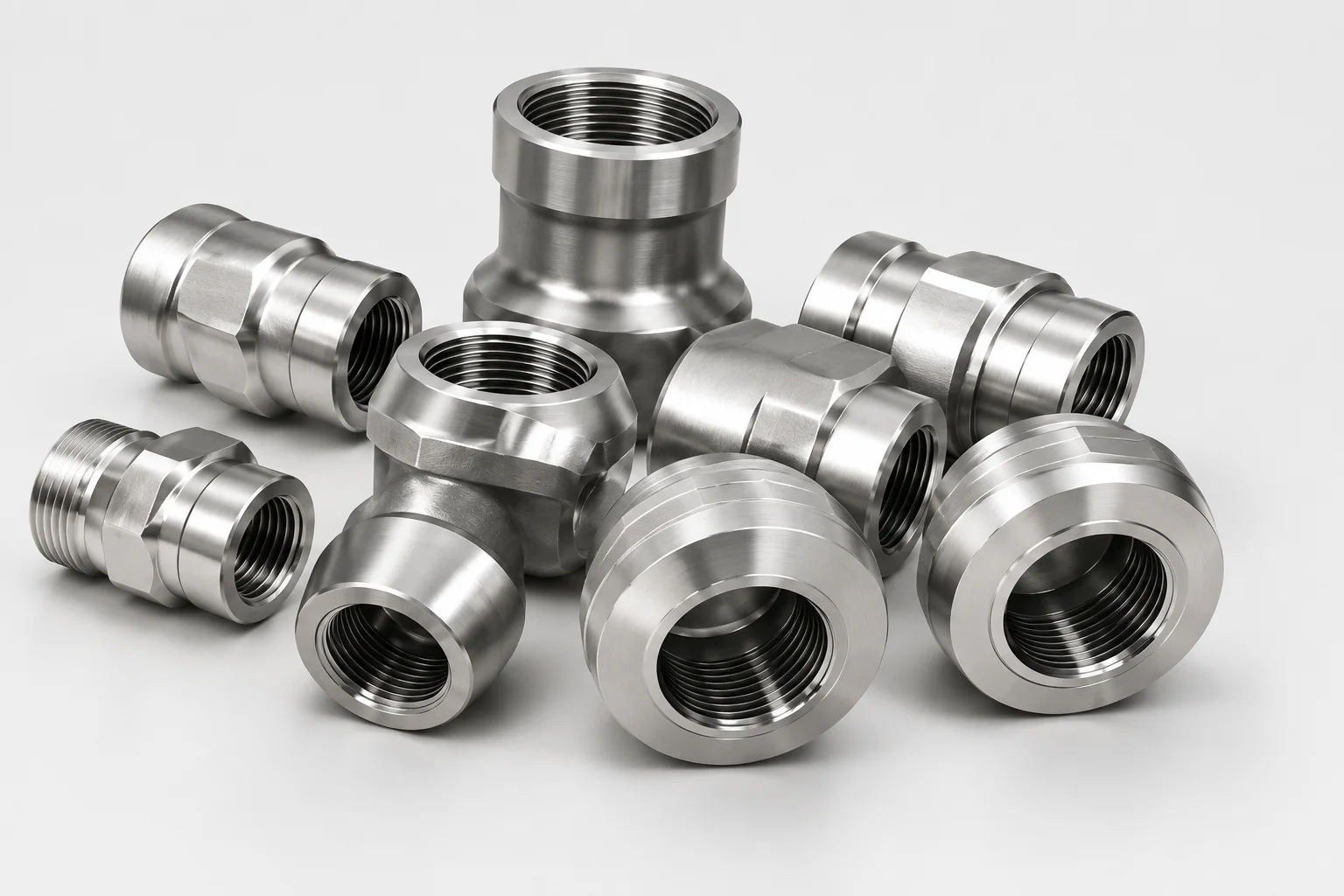
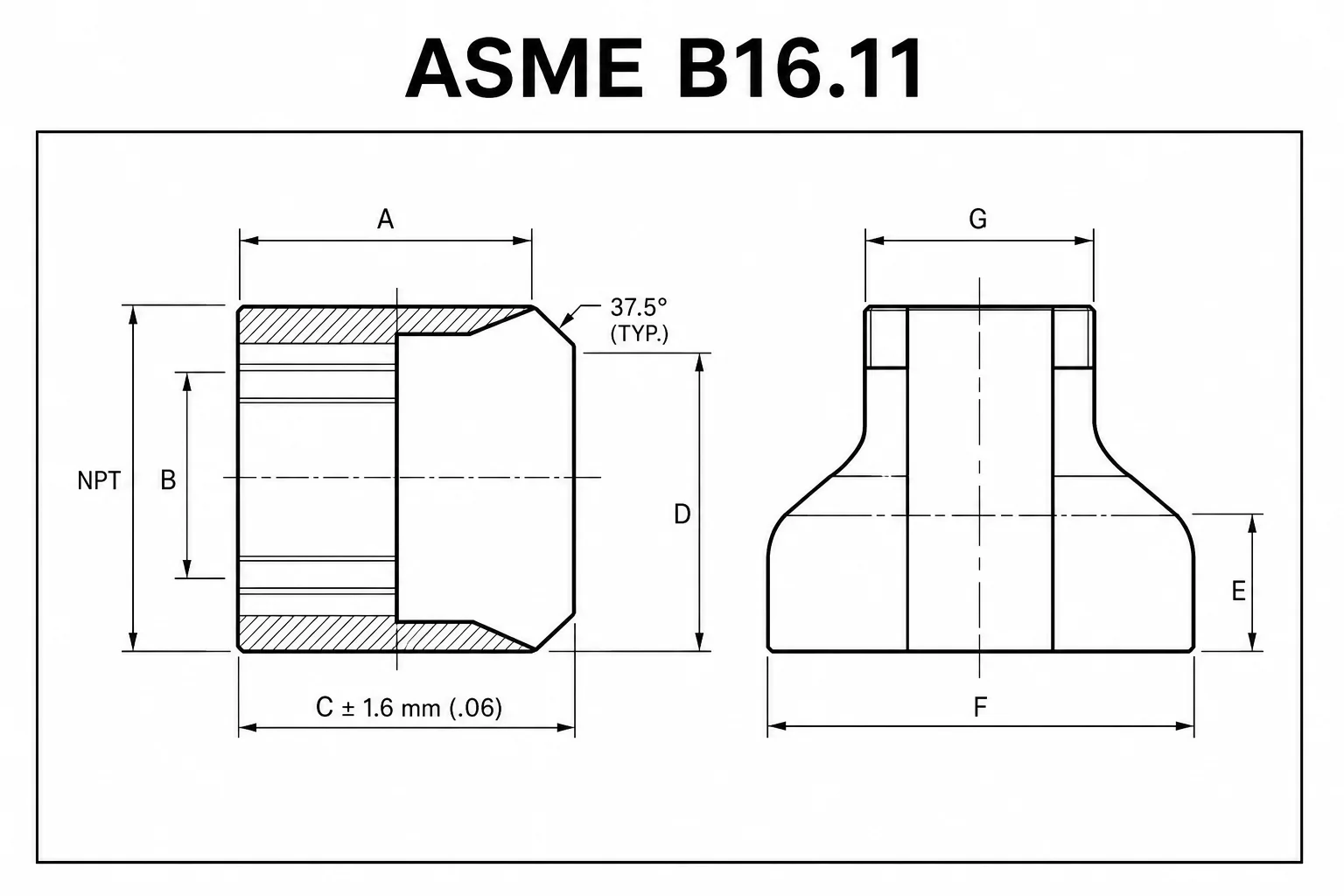
Butt-weld elbows and tees are normally ordered by nominal size and wall thickness designation, but fit-up depends on actual end dimensions. Reducers need both large-end and small-end nominal sizes. Socket-weld and threaded fittings use nominal pipe sizing too, but their connection geometry follows the applicable fitting and thread standards.
For valves, the valve size is normally coordinated with the nominal line size, while end connections must also match the project flange standard, pressure class or PN designation, facing, and drilling. A valve marked “DN50” should not be assumed to bolt directly to every NPS 2 flange system.
For flanges, NPS is only the beginning. Flange type, class, facing, bore, bolt pattern, material, and applicable dimensional standard must also match. This is why procurement teams should avoid using a single dimensional value as the complete flange specification.
FAQ
What does nominal pipe size mean?
Nominal pipe size is a standardized size designator used to identify a family of pipe and compatible components. It is not, for most smaller pipe sizes, a direct measurement of OD or ID.
Is NPS the same as pipe outside diameter?
Not always. In common ASME dimensional systems, smaller NPS sizes have standardized outside diameters that differ from the NPS number. NPS 14 and larger are commonly numerically equal to the OD in inches. Verify the applicable dimensional table for the project.
Does changing schedule change the outside diameter?
For a given NPS within the same dimensional system, changing schedule normally changes wall thickness and therefore ID while the OD remains the same. Exact available schedules and dimensions depend on the standard and material.
Is IPS the same as NPS?
The terms are related historically, but “IPS” can be used inconsistently in commercial catalogs. Confirm actual OD, wall thickness, and the referenced standard instead of relying on the abbreviation alone.
Next Steps
When sending an RFQ for pipe, fittings, valves, or flanges, list the nominal size system and the dimensions that actually control fit-up. For critical orders, attach the line class, drawing, or datasheet and ask the supplier to return a dimensional compliance table before production. Any exact size, tolerance, or schedule value should be verified against the project-specified standard edition.
Request a Quote