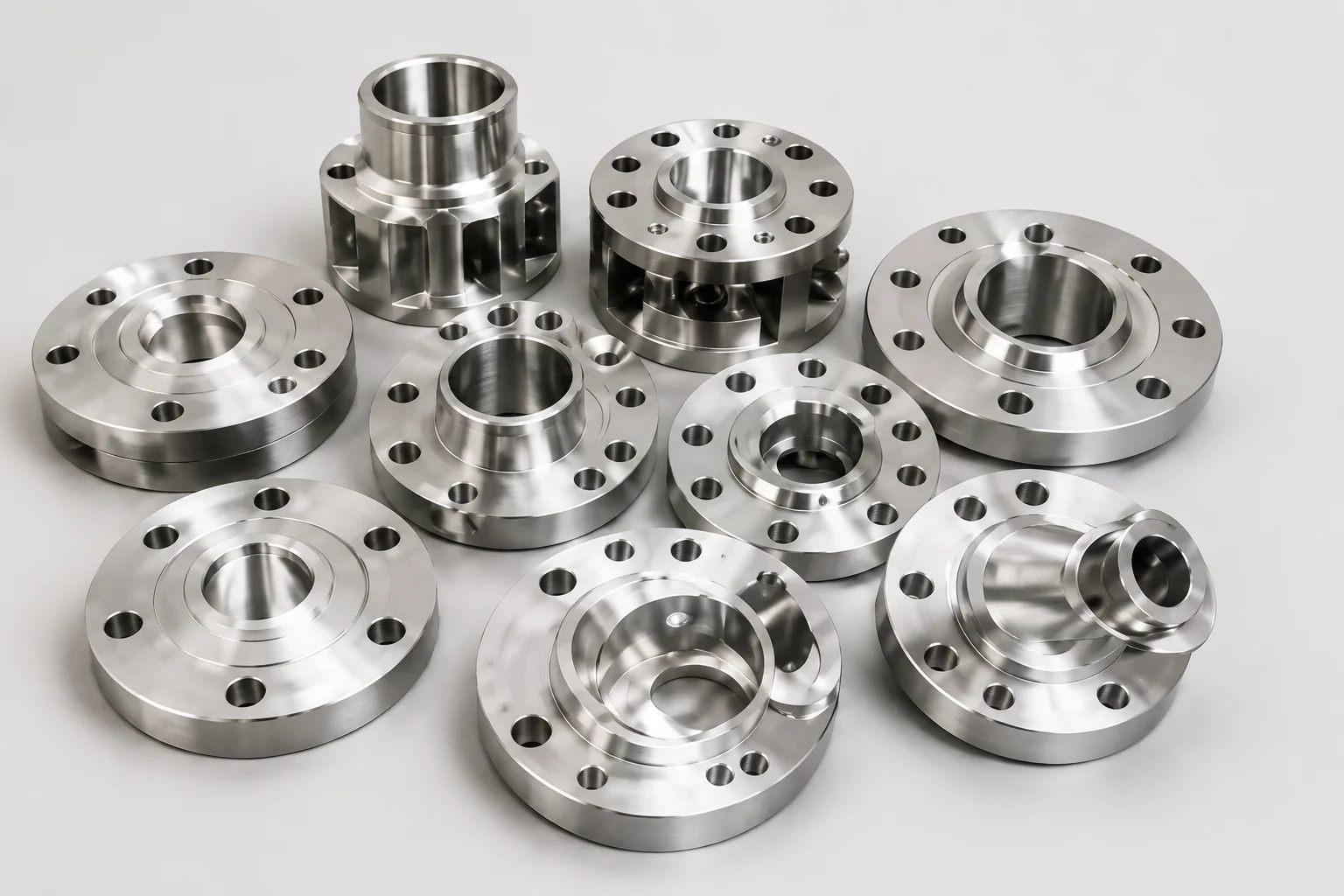

Understanding the Role of Companion Flanges
2026-11-27
A companion flange provides the mating connection between industrial piping and a flanged equipment outlet or another flange. For Engineering, Procurement, and Construction (EPC) buyers, selection starts with the equipment interface and the project piping specification—not the product name alone. Threaded and weld-connected configurations serve different installation requirements, so specify the connection details before requesting a quotation. (tescoflanges.com)
What is a companion flange?
A companion flange is a mating flange used to connect pipe to an existing flanged connection, such as an equipment nozzle. Its pipe-side connection may be threaded or prepared for a welded arrangement, depending on the design. The term describes its connecting role; it does not, by itself, establish the material, pressure rating, facing, or dimensions required for purchase. (tescoflanges.com)
For EPC procurement, translate that description into a complete purchasing specification. Identify the equipment connection, reference the approved piping class, and state the required attachment method. Treat any requisition that says only “companion flange” as incomplete until engineering confirms the interface details.
Connection configurations for project requirements
A threaded companion flange uses an internally threaded connection to engage the corresponding pipe thread. Manufacturer catalogs also identify weld-connected companion configurations, making the pipe attachment method an essential ordering distinction. Do not assume that two suppliers use the product term identically. (tescoflanges.com)
Build the configuration review around these requirements:
- Threaded connection: State the thread standard, size, and designation. Request explicit confirmation rather than accepting “threaded” as a complete description.
- Weld-connected arrangement: Identify the approved flange type and pipe interface. Include bore or pipe wall information where the selected design requires it.
- Equipment interface: Attach the nozzle drawing or approved connection schedule so the supplier can review the mating dimensions.
- Reducing arrangement: If pipe size differs from the equipment connection, request an engineered configuration rather than assuming a standard match.
Use the approved project design to select among these arrangements; do not treat supplier availability as engineering approval.
Specifications that define the purchase
ASME B16.5 covers pressure–temperature ratings, materials, dimensions, tolerances, marking, and testing for flanges within its scope. Reference the applicable project-specified standard and edition, then identify the actual component requirements. A standard reference alone is not a complete purchase description. (asme.org)
Use the following specification checklist to prepare a technically comparable inquiry:
Specification field | Detail to provide |
|---|---|
Size and connection | Nominal size, pipe attachment, and equipment reference |
Rating basis | Required class and design pressure and temperature |
Material | Approved material specification and grade |
Flange facing | Required face type and specified surface finish |
Interface dimensions | Bolt pattern, bore, and drawing-controlled dimensions |
Thread or weld preparation | Applicable connection details and acceptance requirements |
Quality documentation | Required certificates, inspection records, and traceability |
Supply scope | Flanges only, or separately identified joint accessories |
Mark unresolved fields as technical queries. This gives bidders a common basis and makes exclusions easier to identify before commercial comparison.
A practical fit-up review before ordering
Consider an EPC package connecting a prefabricated pipe spool to a vendor-supplied equipment nozzle. Before releasing the flange purchase, ask engineering to compare the nozzle drawing against the proposed flange drawing, including facing, drilling, attachment details, and installation space. Record acceptance against the relevant drawing revisions rather than relying on nominal size alone.
Make the handoff explicit: engineering approves compatibility, procurement incorporates the approved requirements, and construction receives the same controlled documents. If the equipment vendor revises the nozzle, reopen the interface review before accepting the flange for shipment.
For assembly planning, ASME PCC-1 provides guidance for pressure-boundary bolted flange joints within its stated scope. Reference the applicable project assembly procedure rather than treating flange supply as assurance of installed joint performance. (asme.org)
Manufacturing documentation and inspection scope
Define the evidence required with the order, not after manufacturing. ASME B16.5 includes marking and testing requirements within its scope, while project specifications should establish the additional documentation and inspection activities the buyer requires. Keep those requirements visible in both the inquiry and purchase order. (asme.org)
Request written agreement on:
- Material records: Specify the required certification and identification links between records and supplied components.
- Dimensional inspection: Identify drawing-controlled features and the inspection report required for acceptance.
- Additional examinations: List any project-required testing, acceptance criteria, and reporting obligations.
- Inspection access: Define witness or hold points and notification requirements where applicable.
- Preservation and shipment: State protection, packaging, identification, and delivery-document requirements.
Ask suppliers to identify exceptions individually. Review proposed substitutions through the project approval process before authorizing manufacture or shipment.
Pricing and commercial comparison
Request project-specific pricing against the completed specification. Ask bidders to separate the flange unit price from accessories, additional inspection, documentation, packaging, and freight where applicable. Confirm quantity, delivery destination, quotation validity, and the proposed shipment schedule in the same submission.
Compare offers only after resolving technical deviations. A bid comparison should show both the accepted supply scope and outstanding qualifications, allowing procurement to assess commercial value without obscuring engineering requirements. Avoid treating an unqualified description or an incomplete document package as equivalent to a fully defined offer.
Request a companion flange quotation
Submit the approved flange specification, equipment interface drawing, quantities, required delivery date, and inspection requirements with your inquiry. Include the project reference and drawing revisions so the quotation can be reviewed against a controlled technical basis. Ask for explicit confirmation of compliance, exclusions, documentation scope, and delivery commitments.
Prepare your RFQ package and request a specification-based quotation. Resolve connection details before purchase release so engineering, procurement, and construction work from the same accepted requirements.