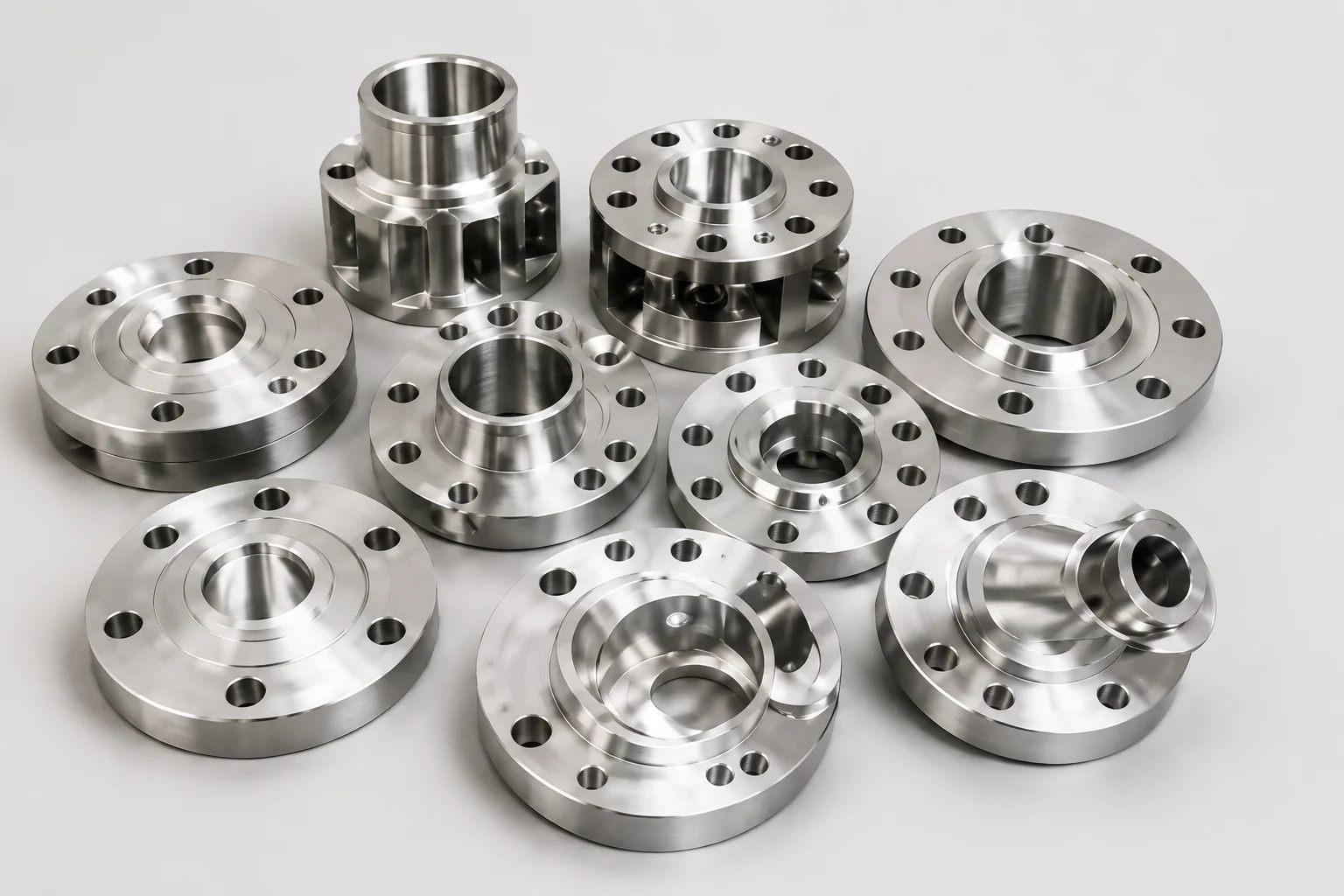

Advantages of Using Slip On Flanges
2026-11-20

A slip on flange slides over a pipe and is secured with fillet welds, offering straightforward fit-up and potentially lower purchase costs than a weld neck design. It is a practical option where the piping specification permits this attachment method and operating conditions suit it. For your next procurement package, submit an RFQ to Hebei Nuoan with the specifications outlined below. (usitc.gov)
Why choose a slip on flange for your piping project?
A slip on flange can simplify positioning before welding because its bore fits over the pipe rather than meeting a prepared pipe end for a butt weld. This allows adjustment during fit-up, helping fabricators establish the required position before attachment. Its main appeal is practical assembly and purchase economy—not superior performance in every service. (sliponflange.com)
Key advantages include:
- Adjustable fit-up: The flange can move along the pipe before welding, making final positioning more convenient.
- Different weld preparation: Fillet-weld attachment avoids the butt-weld bevel preparation associated with a weld neck connection.
- Potential purchasing savings: Slip-on designs may cost less than comparable weld neck flanges, although the complete installed cost needs assessment. (sliponflange.com)
For example, when preparing a utility spool, compare the flange price alongside welding access, inspection requirements, and fabrication time. Ask for separate component and fabrication costs rather than assuming the less expensive component creates the least expensive finished assembly.
Slip-on versus weld neck flanges
Both flange types connect piping, but their attachment geometry creates different advantages and limitations. A slip on weld flange generally uses internal and external fillet welds. A weld neck flange uses a butt weld and a tapered hub that transfers stresses into the pipe. (usitc.gov)
Flange type | Advantages | Disadvantages |
|---|---|---|
Slip-on | Easier positioning before welding; potentially lower purchase cost; no butt-weld bevel at the flange attachment | Generally requires two fillet welds; less suitable for demanding fatigue or high-stress service; needs access for internal welding |
Weld neck | Tapered hub provides favorable stress transfer; commonly selected for demanding pressure, temperature, or cyclic conditions | Typically higher purchase cost; requires butt-weld preparation and careful matching to the pipe bore |
These differences concern joint design and service suitability; they do not mean that flange class alone establishes acceptable use. Have the project engineer approve the selected design before replacing one type with another. (usitc.gov)
Materials for slip-on and weld neck flanges
Both designs are available in carbon steel, stainless steel, and alloy grades. Common procurement specifications include ASTM A105 for carbon steel forgings and ASTM A182 for alloy and stainless steel components. Examples offered across these flange designs include stainless grades F304L and F316L and alloy grades F11 and F22. These are material options, not a statement of Hebei Nuoan inventory. (store.astm.org)
Specify the exact material standard and grade rather than requesting only “steel” or “stainless steel.” Include the process fluid and design conditions for engineering review. ASTM A182 sets grade-specific chemical and mechanical requirements, so a broad material description is not an adequate purchasing specification. (store.astm.org)
Flange dimensions and purchasing specifications
ASME B16.5 covers pressure–temperature ratings, materials, flange dimensions, tolerances, marking, and related requirements within its scope. It also addresses bolting, gaskets, and flange joints. Use the edition required by your project rather than treating a product description as a complete specification. (asme.org)
Define these details before comparing industrial flanges:
- Nominal pipe size and flange class: Identify both, with design pressure and temperature supplied for rating verification.
- Bore and pipe details: Provide pipe outside diameter and wall thickness; distinguish slip-on clearance from weld neck bore matching.
- Facing and mating connection: State the required facing and identify the mating component.
- Dimensions and drawings: Include any existing bolt pattern, space restriction, or nonstandard requirement. (asme.org)
For replacement work, send a dimensioned drawing rather than relying on a photograph alone.
Installation notes for ASME B16.5 projects
ASME B16.5 is not a standalone welding procedure. Apply it alongside the governing piping code, approved fabrication drawings, and project welding requirements. ASME explicitly identifies B16.5 for use with related standards, including the B31 piping codes. (asme.org)
Before installation, incorporate these checks into the approved work instructions:
- Verify the component: Check material identification, size, class, facing, and dimensions against the purchase specification.
- Confirm the weld arrangement: Slip-on attachments generally use fillet welds inside and outside. Establish insertion position and weld dimensions from the approved design, not a universal rule of thumb.
- Inspect the joint surfaces: Check cleanliness, gasket seating surfaces, and alignment before assembling the flange connection.
- Control bolting: Use the specified gasket, fasteners, lubricant, and approved tightening procedure rather than a generic torque value. (asme.org)
ASME PCC-1 provides assembly guidance for pressure-boundary bolted flange joints within its scope, including suitable ring-gasket joints. Its guidance complements component selection; it does not replace the project’s welding or examination requirements. (asme.org)
Request project pricing from Hebei Nuoan
Submit your RFQ to Hebei Nuoan with a line-item quantity schedule, required material grades, dimensional standard, flange class, facing, and delivery destination. Attach drawings for replacements or nonstandard items. Include required inspection documents, packaging instructions, and your requested delivery date so these can be addressed in the quotation.
For each pipe flange, ask the quotation to identify the offered specification, unit price, documentation, and proposed lead time. If your engineering team is still evaluating slip-on against weld neck construction, request separately identified alternatives. Compare them against the same approved service requirements before placing the order.