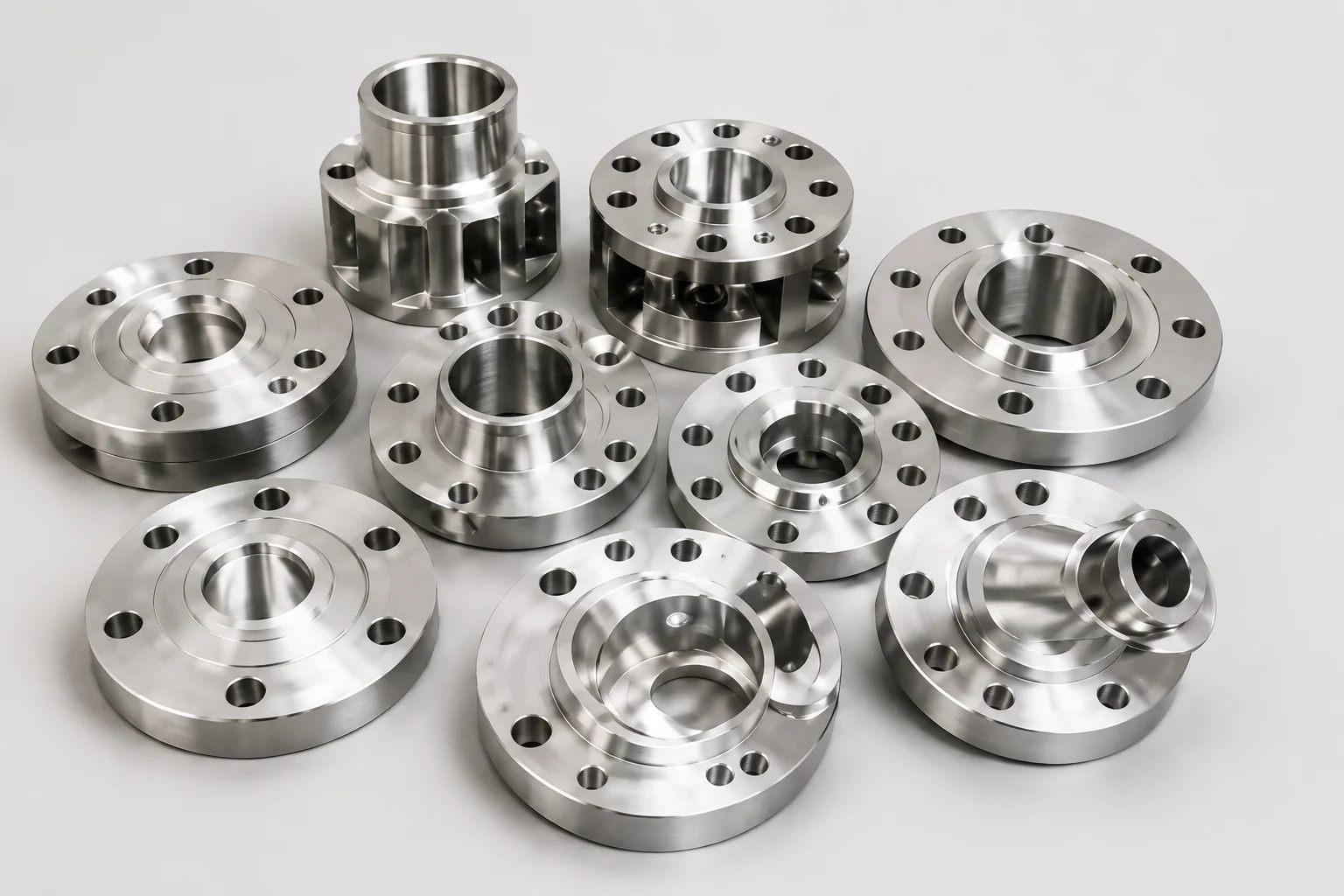

Understanding ASME B16.5 Flange Dimensions and Standards
2026-11-20
ASME B16.5 flange dimensions define the standardized geometry buyers use to check flange fit, drilling, and connection details. Selecting the right flange also requires the correct pressure class, material, facing, and applicable pressure–temperature rating—not just matching bolt holes. This buyer-focused guide explains those checks and helps you prepare a clearer flange RFQ for Hebei Nuoan. (asme.org)
What do NPS and class mean in ASME B16.5 flange dimensions?
NPS means nominal pipe size: a size designation, not a measurement of flange outside diameter. Class identifies a pressure–temperature rating category; it is not a fixed working pressure in psi. Read NPS and class together, then verify the material and design temperature against the applicable rating table before approving a selection. (alekvs.com)
ASME B16.5 covers flange Classes 150, 300, 400, 600, 900, and 1500 from NPS 1/2 through NPS 24. Class 2500 coverage extends from NPS 1/2 through NPS 12. Its requirements address materials, dimensions, tolerances, marking, and other aspects of flange construction, so a dimensional match alone does not demonstrate full compliance. (asme.org)
For purchasing, record the designation as a complete combination: for example, “NPS 2, Class 300,” followed by flange type, facing, and material. Avoid descriptions such as “2-inch standard flange,” which leave important selection decisions unresolved. Ask the project engineer to confirm missing service requirements rather than choosing a class from the dimensions of an existing component.
The dimensions buyers need to distinguish
Flange outside diameter and bolt-circle diameter describe different features. Outside diameter, usually abbreviated OD, measures across the flange’s outer edge. Bolt-circle diameter measures the imaginary circle passing through the centers of its bolt holes; charts may also call it BCD or pitch-circle diameter. Hole diameter and hole count complete the basic drilling description. (datatool.pumps.org)
When reviewing a drawing, separate these dimensions into three groups:
- Envelope dimensions: Check flange OD and overall length against the available installation space. Ask for a section view when nearby equipment or insulation limits access.
- Connection dimensions: Compare bolt circle, hole count, hole diameter, and facing details with the mating connection. Review the full pattern rather than one measurement.
- Pipe-end dimensions: Identify bore, hub, and weld-end requirements where relevant. Include the pipe schedule or specified bore in the inquiry instead of expecting NPS alone to communicate it.
Weld-neck and slip-on flanges illustrate why this separation matters. At a given size and class, they can share the mating dimensions while having different hubs, bores, and pipe-attachment arrangements. A flange that bolts up is not automatically an approved substitute for another flange type. (bldforgedirect.com)
How do you read an ASME B16.5 flange dimension chart?
Read an ASME B16.5 flange dimension chart by confirming its standard, edition, units, pressure class, and flange type before selecting the NPS row. Then follow that row across the drawing-linked columns and read every applicable note. This sequence helps prevent a correct number from being applied to the wrong component. (asme.org)
Use this review sequence when preparing a purchase inquiry:
- Confirm the governing document. Specify the edition required by the project. Ask the supplier to identify the reference used for its quotation and drawing.
- Select the class and flange type. Keep the selected table visible while reviewing the dimensions; do not copy values from adjacent tables without checking their headings.
- Locate the NPS row. Treat NPS as the row identifier. Do not substitute a measured flange OD for the nominal size.
- Check the drilling columns. Record bolt-circle diameter, number of holes, hole diameter, and specified bolt diameter separately.
- Review thickness and facing. Establish how the drawing defines thickness and whether the raised face is included in the stated dimension.
- Check type-specific details. Review bore and hub dimensions for the selected construction, then resolve footnotes before issuing the order.
Common chart symbols include O for flange outside diameter, W for bolt-circle diameter, tf for flange thickness, and X for hub diameter. Symbols are not universal across supplier drawings, so use the accompanying sketch as the authority for each column. Also check units column by column: ASME tables can retain inch designations for bolts and bolt holes within otherwise metric presentations. (datatool.pumps.org)
For internal review, highlight the selected row and attach the relevant drawing to the RFQ. Ask the supplier to return any exceptions explicitly. Keeping the source table beside the quotation makes the comparison easier to audit.
Class 150, 300, and 600: a practical dimensional comparison
The following NPS 2 example shows selected flange and drilling dimensions in inches. It is a focused comparison, not a complete manufacturing or inspection table; verify the project’s governing standard and approved drawing before ordering. The Class 150 and 300 values are documented in the Hydraulic Institute’s flange tables, while the Class 600 dimensions are also illustrated in a published production-drawing comparison. (datatool.pumps.org)
NPS | Class | Flange OD | Bolt-circle diameter | Hole count | Hole diameter | Bolt diameter |
|---|---|---|---|---|---|---|
2 | 150 | 6.00 in | 4.75 in | 4 | 3/4 in | 5/8 in |
2 | 300 | 6.50 in | 5.00 in | 8 | 3/4 in | 5/8 in |
2 | 600 | 6.50 in | 5.00 in | 8 | 3/4 in | 5/8 in |
These rows demonstrate why buyers should avoid identifying class by appearance or drilling alone. In this example, Class 300 and Class 600 share the listed OD and bolt pattern. That does not make the complete flanges equivalent; thickness, facing, and other applicable requirements still need review. (datatool.pumps.org)
Class-specific purchasing notes
When reviewing ASME B16.5 Class 150 flange dimensions, compare the selected row with the actual mating connection rather than assuming all same-NPS flanges match. For ASME B16.5 Class 300 flange dimensions, retain the complete class designation on drawings, quotations, and purchase orders. When checking ASME B16.5 Class 600 flange dimensions, pay particular attention to the complete section drawing instead of relying on a front-view bolt pattern.
For all three classes, request confirmation of the specified material and its rating at the design temperature. The class number is a category used with pressure–temperature tables, not a standalone service-pressure limit. Have the responsible engineer approve any proposed class or material substitution. (alekvs.com)
What changes when checking blind flange dimensions?
ASME B16.5 blind flange dimensions describe a closing flange rather than an ordinary flow-through connection. Buyers still need the correct NPS, class, outside diameter, drilling, thickness, and facing, but a conventional blind has no flow bore to match to the pipe. The standard also permits blind flanges with or without hubs, subject to its provisions. (alekvs.com)
State “blind flange” explicitly on the inquiry. If a drain, vent, tapped connection, or other opening is required, attach a drawing and request engineering review rather than describing it as an unchanged standard blind. Ask for written confirmation of the resulting design and rating basis before accepting modified construction.
For replacement purchases, provide photographs and existing markings as supporting information, not as the complete specification. Include the mating flange details and approved project requirements. This gives the supplier a clear basis for identifying questions before quotation.
Prepare a complete RFQ for Hebei Nuoan
Hebei Nuoan lists blind, weld-neck, slip-on, threaded, and other flange categories on its website. Start your inquiry with the required construction, then provide enough detail for the requested configuration to be evaluated without assumptions. (nuoanfitting.com)
Include this checklist with your flange specifications:
- Standard and edition: ASME B16.5 plus applicable project requirements.
- Size and rating: NPS and class for every line item.
- Construction: Flange type, facing, and pipe schedule or bore where relevant.
- Material: Required specification, grade, and any project-defined treatment requirements.
- Verification: Drawings, dimensional reports, material documents, and inspection requirements requested by the project.
- Commercial details: Quantity, delivery destination, required date, packing requirements, and quotation deadline.
Keep technical approval separate from price comparison: first confirm that quotations address the same requirements, then compare commercial terms. A clear flange dimension chart is useful, but a complete specification is the stronger purchasing document.
Contact Hebei Nuoan through its website to request a flange quotation. Send your completed RFQ checklist and available drawings, and ask for confirmation of dimensions, materials, documentation, and any exceptions before placing the order. (nuoanfitting.com)