
Understanding Weld Neck Flanges: A Comprehensive Guide
2026-11-20
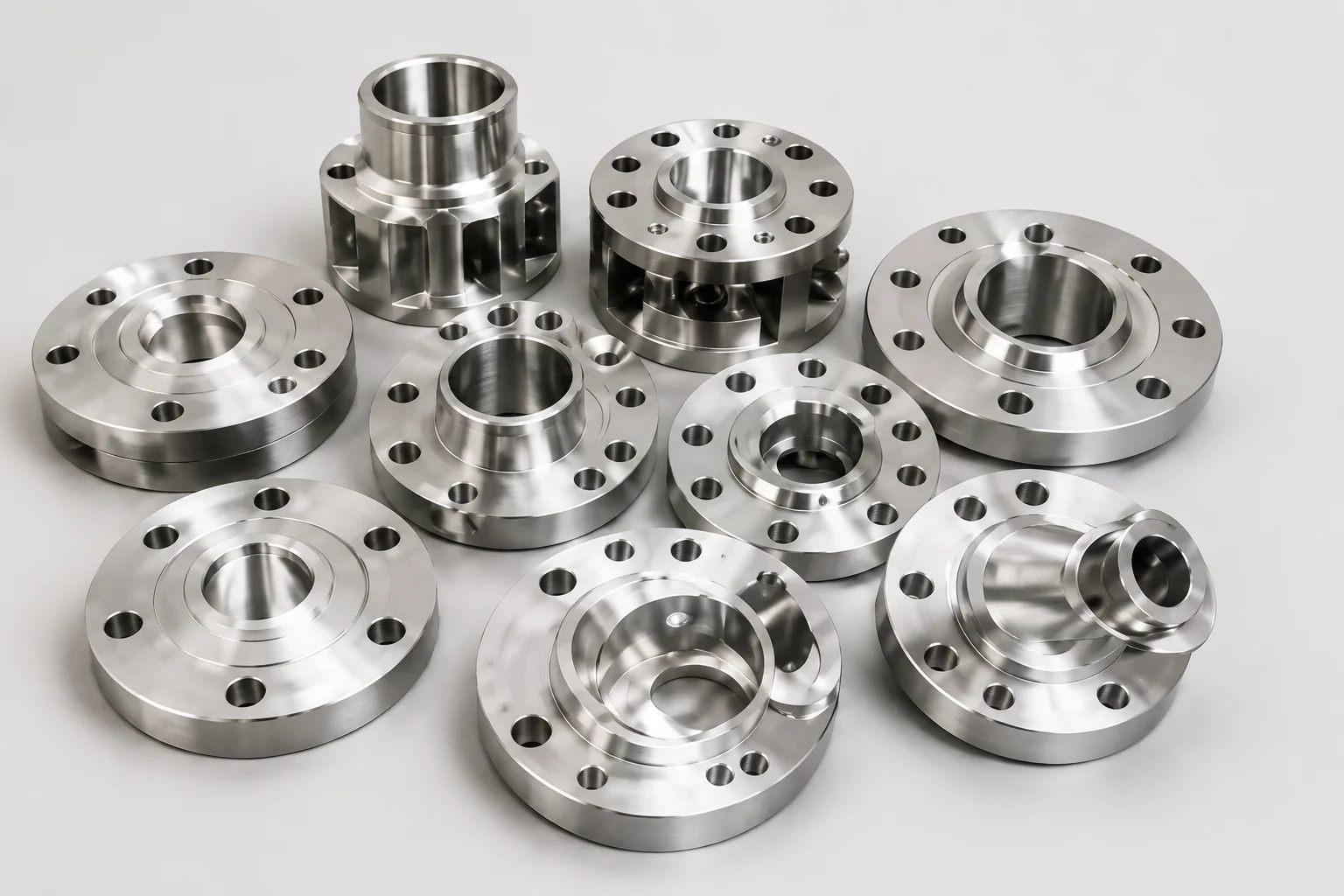
A weld neck flange connects to pipe through a butt-welded neck and is commonly selected for demanding pressure, temperature, and mechanical loading conditions. This guide helps EPC buyers and distributors evaluate dimensions, materials, and specification details before purchasing. Hebei Nuoan, a China flange supplier based in Mengcun, presents its flange and piping product offering at nuoanfitting.com. (ulmaforge.com)
What is a weld neck flange, and how does it work?
A weld neck flange is a pipe flange with an extended, tapered hub that terminates in a welding end. The neck is butt-welded to the pipe, while the flange face connects to a mating flange through a gasket and bolted joint. This arrangement provides a welded pipe connection alongside a joint that can be opened for equipment access or maintenance. (ulmaforge.com)
The defining feature is the transition between the flange body and pipe. Weld neck designs are favored over slip-on alternatives where mechanical durability and fatigue performance matter, including demanding process service. However, flange style alone does not establish the suitability of the complete joint; the selected material, rating, gasket, and bolting also require engineering review. (ulmaforge.com)
For procurement teams, distinguish the welded connection from the bolted sealing interface. A correctly specified neck does not resolve an incompatible mating face, gasket, or bolt arrangement. Treat the flange as one component within the approved piping system rather than as an isolated commodity. (asme.org)
ASME B16.5 establishes the specification framework
ASME B16.5 covers pressure-temperature ratings, materials, dimensions, tolerances, marking, testing, and related requirements for pipe flanges and flanged fittings. Its flange scope generally extends from NPS 1/2 through NPS 24, with Class 2500 limited to NPS 12. The standard also addresses flange joints, bolting, and gaskets. (asme.org)
A pressure class is a designation, not a universal allowable pressure in psi. Permissible operating pressure depends on the applicable material and temperature rating table. Buyers should therefore request confirmation against the actual design conditions rather than assume that a Class 150 flange is suitable simply because operating pressure appears below a particular number. (asme.org)
State the required standard edition in the purchase specification. Also identify the governing piping code and project requirements: ASME B16.5 is intended for use alongside relevant equipment standards and piping codes, not as a substitute for system design. (asme.org)
Which weld neck flange dimensions must buyers verify?
The essential weld neck flange dimensions include nominal size, outside diameter, flange thickness, bolt-circle diameter, bolt-hole details, overall length, hub geometry, bore, and facing dimensions. Selection requires the appropriate standard, pressure class, and pipe interface; nominal size alone is not a complete dimensional specification. Supplier drawings and standard tables should be reviewed together. (ulmaforge.com)
Use this dimensional review checklist before approving production:
- Mating envelope: Compare outside diameter, bolt-circle diameter, hole count, and hole diameter with the connecting component.
- Flange thickness and length: Verify the specified thickness and length through the hub against the approved drawing.
- Bore and welding end: State the pipe schedule or required bore and confirm the welding-end geometry.
- Sealing interface: Identify the facing type and verify its relevant diameters and dimensions.
- Drawing references: Confirm units, dimensional symbols, and any purchaser-specified dimensions before accepting a supplier table. (ulmaforge.com)
For example, an RFQ that states only “weld neck, Class 300” leaves the supplier without a nominal size, material, facing, or bore requirement. Add those fields as separate line-item attributes. This makes quotations easier to compare and gives reviewers a clear basis for checking flange dimensions against the project specification.
Distributors should apply the same discipline to stock descriptions. Avoid grouping industrial flanges solely by nominal size and class; retain the material, facing, bore, and standard references in each stock record. That information should remain visible when the item is offered to a customer.
Material selection: A105, SS304, and SS316
Material selection should begin with service conditions rather than a preferred commercial grade. ASTM A105 covers forged carbon steel piping components for ambient- and higher-temperature pressure service. Stainless flange requirements fall within specifications such as ASTM A182, so an order should identify the applicable specification and grade rather than rely only on “stainless steel.” (store.astm.org)
A105 carbon steel
A105 is a material specification for forged carbon steel components, including flanges, fittings, and valves. It addresses chemical and mechanical requirements and provides for supplementary inspection or testing requirements. For an A105 flange inquiry, state the required material condition and any project-specific testing rather than assuming that every quotation includes identical requirements. (store.astm.org)
SS304 stainless steel
SS304 is a widely used austenitic stainless steel grade for corrosive environments where its resistance is adequate. It should not be treated as interchangeable with SS316 merely because both are stainless steels. Review the process medium and corrosion conditions before approving SS304, and specify the required flange material designation on the purchase order. (www-sc10.outokumpu.com)
SS316 stainless steel
SS316 contains molybdenum, which improves resistance to localized corrosion relative to SS304 in many chloride-containing environments. That advantage does not make it universally suitable for every chemical or chloride exposure. Evaluate the actual medium, concentration, and temperature, using corrosion data appropriate to the service rather than selecting by grade reputation alone. (outokumpu.com)
When should you choose weld neck versus slip-on flanges?
Choose weld neck flanges when the approved piping design prioritizes performance under demanding pressure, temperature, or fatigue conditions. Slip-on flanges can be appropriate for lower-risk service where the project specification permits them and their installation characteristics are advantageous. The slip on vs weld neck flange decision should follow engineering requirements before purchase-price considerations. (ulmaforge.com)
Selection factor | Weld neck flange | Slip-on flange |
|---|---|---|
Pipe connection | Neck butt-welded to the pipe | Pipe passes into the flange for attachment |
Typical selection driver | Demanding service and mechanical durability | Simpler fit-up in suitable lower-risk service |
Fatigue considerations | Preferred where fatigue resistance matters | Lower fatigue resistance than weld neck designs |
Cutting and fit-up | Requires controlled butt-weld preparation | Offers more flexibility in pipe cut length |
Procurement priority | Confirm bore and welding-end requirements | Confirm approved joint and installation requirements |
These are selection tendencies, not blanket approvals for either design. Supplier guidance identifies weld neck flanges for demanding conditions and slip-on designs for lower-pressure, lower-risk duties; slip-on fit-up flexibility is also a recognized practical benefit. (ulmaforge.com)
For EPC bid evaluation, ask suppliers to quote the specified flange types without substitutions hidden in commercial notes. If a supplier proposes slip-on flanges instead of weld neck, route the proposal through engineering before treating it as a saving. For distributors, keep alternate offers clearly separated so customers can distinguish a compliant quotation from a proposed design change.
Build inspection and documentation into the purchase order
Do not leave acceptance criteria until dispatch. ASME B16.5 addresses dimensional tolerances and marking, while material specifications address material properties and associated requirements. Translate the applicable requirements into a purchase-order checklist that the supplier can acknowledge before manufacturing begins. (asme.org)
Request a defined document package rather than “all standard certificates.” Your checklist can identify material records, dimensional reports, marking requirements, approved drawings, and any supplementary examination specified by the project. Ask the supplier to confirm what is included, what requires additional agreement, and when documents will be submitted.
Keep technical and commercial reviews separate. First establish whether the offered pipe flanges meet the specification; then compare quantities, delivery commitments, packaging, and commercial terms. Record any exceptions explicitly so a favorable price does not obscure an unresolved technical deviation.
Request a direct supply quotation from Hebei Nuoan
A useful flange inquiry connects design requirements with an unambiguous purchasing description. Include quantity, nominal size, pressure class, standard edition, flange type, material specification, facing, pipe schedule or bore, inspection requirements, destination, and required delivery date. Attach the approved drawing or piping specification wherever available.
Contact Hebei Nuoan directly through nuoanfitting.com to request a direct supply quotation (RFQ) for your EPC package or distributor requirement. Send your flange schedule and documentation expectations, and ask for confirmation of compliance, any deviations, and quoted delivery terms before placing your order.
Next:
No content yet